
Ball Mill: The Ultimate Guide to Industrial Grinding Applications
We provide a wide range of mills — including Raymond mill, trapezoidal mill, vertical mill, ultrafine mill, and ball mill, obtained ISO9001 international quality certification, EU CE certification, and Customs Union CU-TR certification. Suitable for processing minerals such as limestone, phosphate, quicklime, kaolin, talc, barite, bentonite, calcium carbonate, dolomite, coal, gypsum, clay, carbon black, slag, cement raw materials, cement clinker, and more.
The discharge range of these mills can be adjusted to meet specific processing needs, typically from 80-400 mesh, 600-3250 mesh, and can achieve the finest particle size of up to 6000 mesh(D50).
If you are looking for a reliable grinding solution to turn stone or minerals into fine powder, please feel free to contact our online customer service.
Ball Mill: The Ultimate Guide to Industrial Grinding Applications
For decades, the ball mill has stood as a cornerstone of industrial comminution, a testament to its robust design and versatile grinding capabilities. While newer technologies have emerged, the fundamental principles of the ball mill continue to make it a reliable choice for a wide array of material processing tasks. This guide delves into the mechanics, applications, and considerations for selecting the right grinding solution for your operation.
Understanding the Ball Mill: A Workhorse of Industry
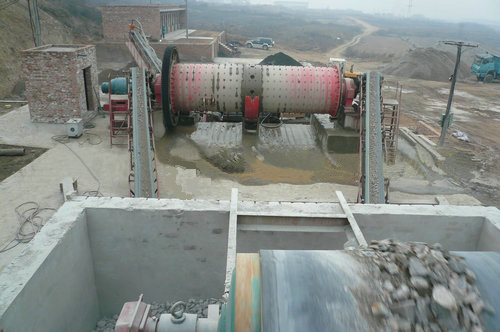
At its core, a ball mill is a cylindrical device used for grinding (or mixing) materials like ores, chemicals, ceramic raw materials, and paints. The principle is elegantly simple: the mill rotates around a horizontal axis, partially filled with the material to be ground plus the grinding medium – typically forged steel balls. As the shell rotates, the balls are lifted up on the rising side of the shell and then cascade down (or drop down), impacting the material below and reducing it to a fine powder through a combination of impact and abrasion forces.
The key advantages of traditional ball mills are their relative simplicity, lower initial investment compared to some advanced systems, and their ability to handle a wide range of materials and fineness requirements. They are particularly effective for coarse grinding and are a common sight in cement plants, mining operations, and the construction materials industry.
Beyond the Basics: The Evolution of Grinding Technology
While ball mills are incredibly effective, the pursuit of higher efficiency, lower energy consumption, and finer product sizes has driven significant innovation. Modern grinding challenges often demand ultra-fine powders with narrow particle size distributions, especially in advanced sectors like chemicals, cosmetics, and high-performance materials. This is where traditional ball mills can face limitations in terms of energy efficiency and operational control.
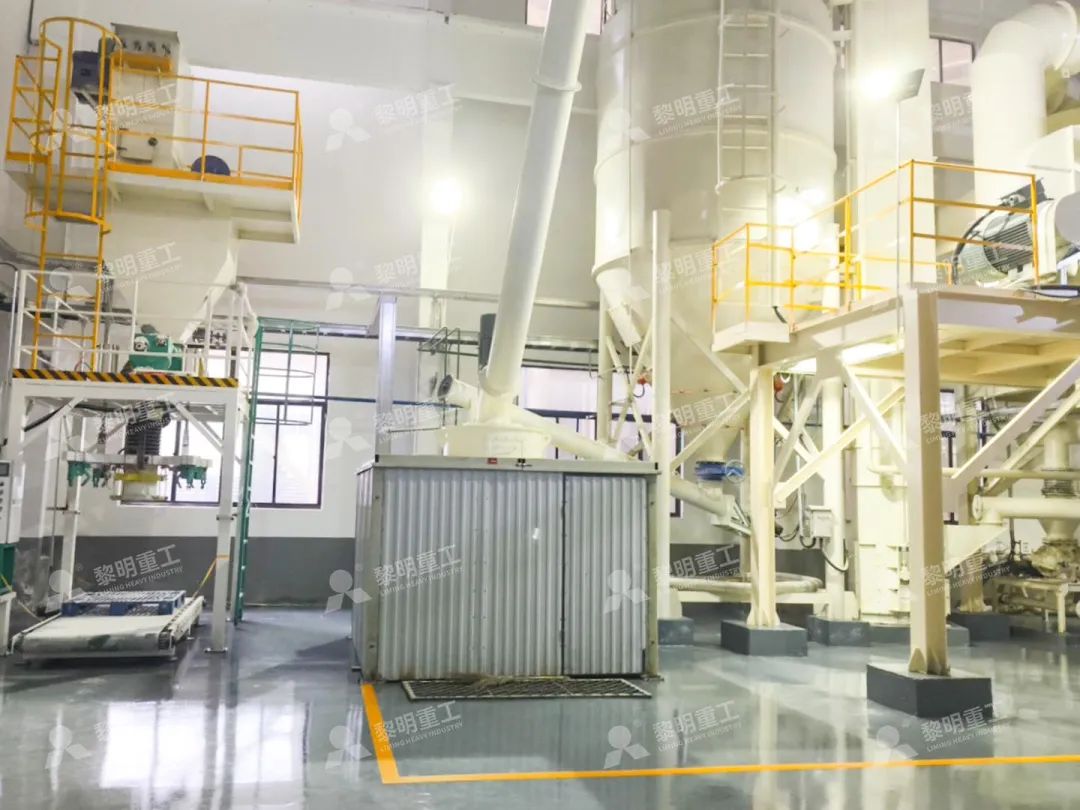
For operations requiring superior fineness and higher efficiency, advanced milling solutions have been developed. For instance, our MW Ultrafine Grinding Mill is engineered specifically for customers who need to produce ultra-fine powder. With an input size of 0-20 mm and a capacity range of 0.5-25 tph, it is designed for precision. The mill features a highly efficient cage-type powder selector, allowing for adjustable fineness between 325-2500 meshes. Its innovative design, which eliminates rolling bearings and screws within the grinding chamber, significantly reduces maintenance concerns and the risk of machine damage from loose components. Furthermore, its integration of a pulse dust collector and muffler ensures an environmentally friendly operation with minimal dust and noise pollution.
Selecting the Right Mill for Your Application
The choice between a ball mill and a more advanced system hinges on several factors:
- Desired Fineness: Ball mills are excellent for coarse to medium grinding. For superfine powders (finer than 400 mesh), vertical roller mills or specialized ultrafine mills are more efficient.
- Energy Consumption: Advanced mills like vertical roller mills can offer energy savings of 30-50% over traditional ball mills for similar tasks.
- Moisture Content: Some modern mills integrate drying and grinding, which is a significant advantage for moist materials.
- Footprint: Vertical designs often have a much smaller footprint than horizontal ball mills.
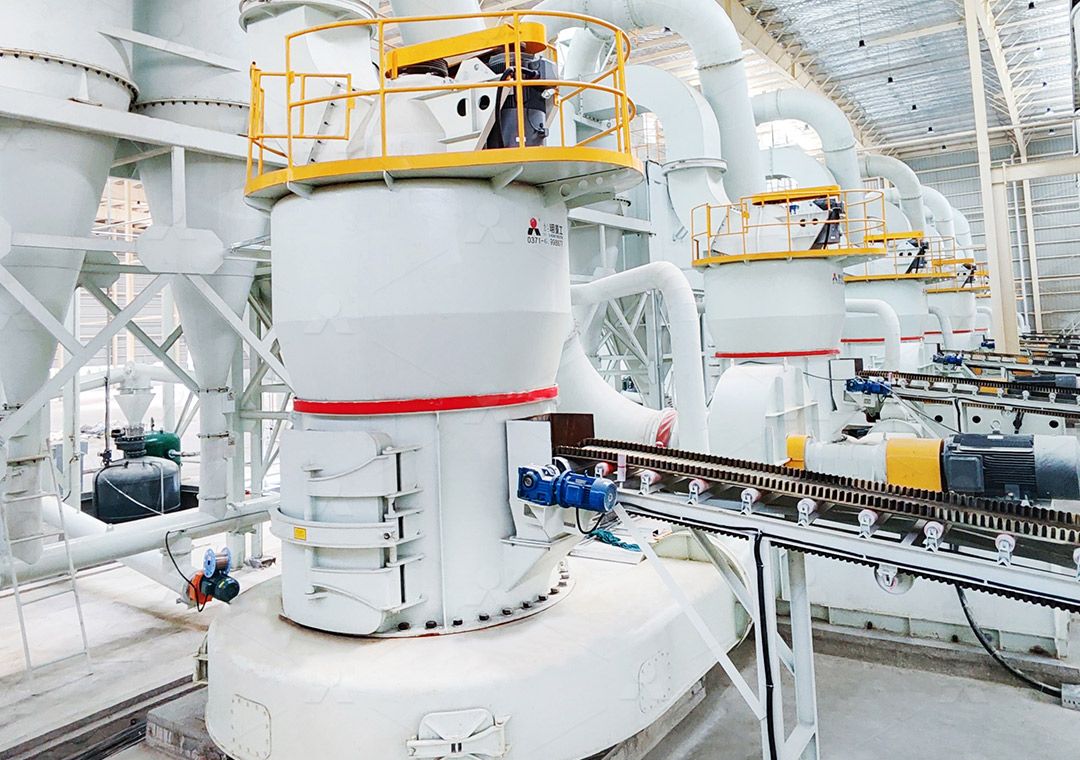
Another powerful option for fine and ultra-fine grinding is the LUM Ultrafine Vertical Grinding Mill. With an input size of 0-10 mm and a capacity of 5-18 tph, it integrates grinding, grading, and transporting into a single, compact unit. It employs the latest grinding roller and powder separating technology to achieve a higher yielding rate and better product quality. A key feature is its double position-limiting technology, which guarantees operational stability by preventing destructive impacts between the roller and millstone, even under volatile conditions.
Conclusion
The ball mill remains a vital and effective tool in many industrial contexts. However, understanding its limitations and the capabilities of newer technologies is crucial for optimizing productivity and cost-efficiency. Whether your priority is the rugged simplicity of a ball mill or the high-precision, energy-saving performance of an ultrafine grinding solution, selecting the right equipment is paramount to the success of your grinding application.
Frequently Asked Questions (FAQ)
Q: What is the main difference between a ball mill and a vertical roller mill?
A: The primary difference lies in the grinding mechanism. A ball mill uses tumbling balls for impact and abrasion, while a vertical roller mill uses rollers to compress and shear material against a stationary grinding table. VRMs are generally more energy-efficient and have a smaller footprint.
Q: Can a ball mill produce ultra-fine powder?
A: While possible, it is often inefficient. Ball mills are better suited for coarse to medium grinding. For consistent, high-volume production of ultra-fine powders (finer than 400 mesh), specialized mills like the MW or LUM series are recommended for their superior efficiency and control.
Q: How important is maintenance for these grinding mills?
A: Maintenance is critical for all equipment. Modern designs aim to simplify this. For example, the MW Ultrafine Mill’s external lubrication system and the LUM Mill’s reversible roller structure are specifically designed to allow for easier, faster maintenance, reducing downtime.
Q: What industries typically use ultrafine grinding mills?
A: They are essential in industries requiring precise particle sizes, such as chemicals (paints, coatings), cosmetics, pharmaceuticals, food additives, and advanced materials processing for minerals like calcium carbonate, talc, and barite.