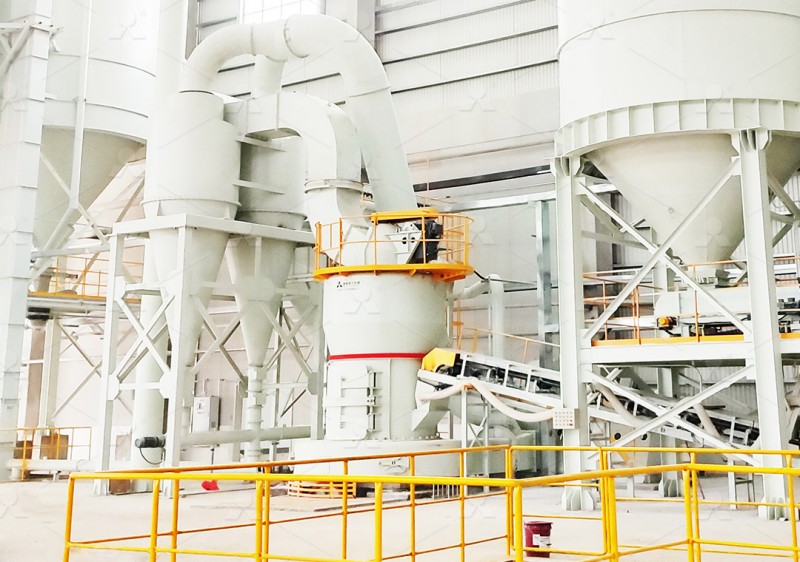
Ball Mill Technical Specifications for Coke Grinding: Capacity, Power, and Size Guide
We provide a wide range of mills — including Raymond mill, trapezoidal mill, vertical mill, ultrafine mill, and ball mill, obtained ISO9001 international quality certification, EU CE certification, and Customs Union CU-TR certification. Suitable for processing minerals such as limestone, phosphate, quicklime, kaolin, talc, barite, bentonite, calcium carbonate, dolomite, coal, gypsum, clay, carbon black, slag, cement raw materials, cement clinker, and more.
The discharge range of these mills can be adjusted to meet specific processing needs, typically from 80-400 mesh, 600-3250 mesh, and can achieve the finest particle size of up to 6000 mesh(D50).
If you are looking for a reliable grinding solution to turn stone or minerals into fine powder, please feel free to contact our online customer service.
Ball Mill Technical Specifications for Coke Grinding: Capacity, Power, and Size Guide
Coke grinding is a critical process in various industrial applications, from metallurgy to fuel production. Selecting the right grinding equipment is paramount for achieving optimal particle size, throughput, and operational efficiency. While traditional ball mills have been the workhorse for this task, modern requirements often demand higher efficiency, finer powders, and lower energy consumption.
Key Considerations for Coke Grinding
Coke, a solid carbonaceous material derived from coal, is abrasive and can be challenging to grind. The key specifications to consider when selecting a mill include:
- Input Size: Typically, feed material should be less than 25mm for efficient grinding in most systems.
- Capacity (Throughput): Ranging from a few tons per hour (tph) for pilot plants to over 50 tph for large-scale industrial operations.
- Power Consumption: A major operational cost; newer mill designs significantly reduce kWh per ton of output.
- Final Product Fineness: Required particle size distribution, often measured in meshes or micrometers.
Beyond the Traditional Ball Mill
While the classic ball mill is known for its reliability and lower initial investment, its efficiency and energy consumption can be a drawback. For operations seeking a superior solution, especially for ultra-fine coke powder, advanced grinding technologies offer compelling advantages.
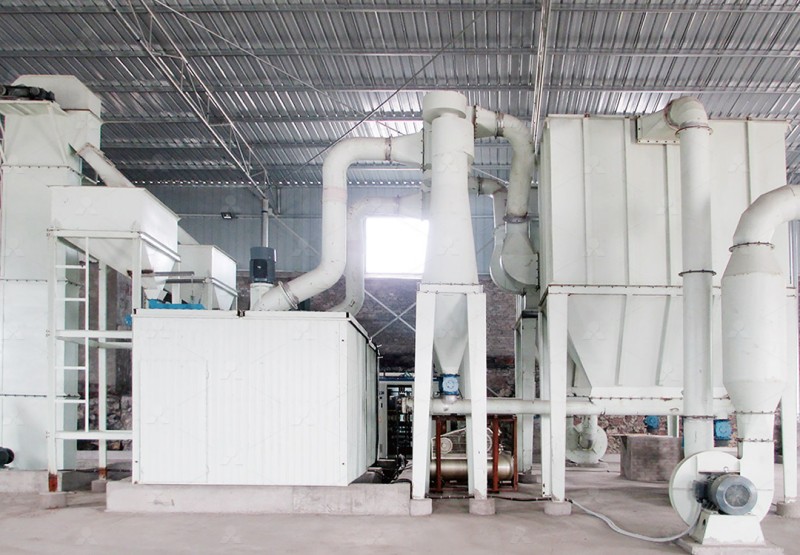
For clients requiring ultra-fine coke powder for specialized applications in chemicals or advanced materials, we highly recommend our MW Ultrafine Grinding Mill. This machine is engineered for customers who need to make ultra-fine powder with exceptional efficiency.
- Input Size: 0-20 mm
- Capacity: 0.5-25 tph
- Key Advantage: With the same fineness and power, its production capacity is 40% higher than jet mills and twice as large as ball mills, while system energy consumption is only 30% of a jet mill. It achieves an adjustable fineness between 325-2500 meshes.
Its design eliminates rolling bearings and screws in the grinding chamber, virtually eradicating maintenance issues related to these components. Furthermore, the integration of an efficient pulse dust collector and muffler ensures an eco-friendly operation with minimal dust and noise pollution.
Another Robust Option: LUM Ultrafine Vertical Grinding Mill
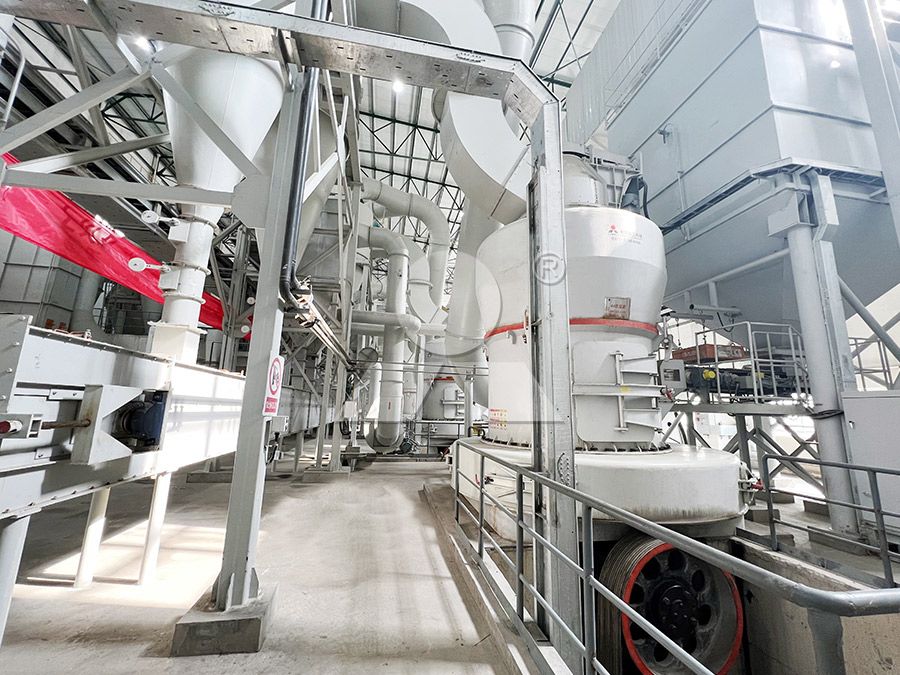
For operations prioritizing stability, easy maintenance, and high-quality product output, our LUM Ultrafine Vertical Grinding Mill is an outstanding choice. It integrates the latest grinding roller and powder separating technology.
- Input Size: 0-10 mm
- Capacity: 5-18 tph
- Key Advantage: Features double position-limiting technology for shock resistance and stable operation, and a reversible structure that allows for easy maintenance and quick replacement of wear parts.
Conclusion
Choosing the right mill for coke grinding is a strategic decision that impacts your bottom line. While ball mills serve well for standard applications, embracing advanced technologies like the MW or LUM Ultrafine Mills can unlock significant gains in productivity, energy savings, and product quality. We recommend evaluating your specific capacity needs, desired fineness, and total cost of operation to select the perfect equipment for your plant.