
Ball Mill Solutions for Slag Processing and Recycling in Indonesia
We provide a wide range of mills — including Raymond mill, trapezoidal mill, vertical mill, ultrafine mill, and ball mill, obtained ISO9001 international quality certification, EU CE certification, and Customs Union CU-TR certification. Suitable for processing minerals such as limestone, phosphate, quicklime, kaolin, talc, barite, bentonite, calcium carbonate, dolomite, coal, gypsum, clay, carbon black, slag, cement raw materials, cement clinker, and more.
The discharge range of these mills can be adjusted to meet specific processing needs, typically from 80-400 mesh, 600-3250 mesh, and can achieve the finest particle size of up to 6000 mesh(D50).
If you are looking for a reliable grinding solution to turn stone or minerals into fine powder, please feel free to contact our online customer service.
Unlocking Value from Industrial Byproducts: The Indonesian Opportunity
Indonesia’s rapid industrial growth, particularly in its steel and manufacturing sectors, has led to a corresponding increase in industrial byproducts like slag. Traditionally viewed as waste, slag is now recognized as a valuable resource that can be processed and recycled into useful materials for construction, cement production, and other applications. The key to unlocking this value lies in efficient and reliable grinding technology.
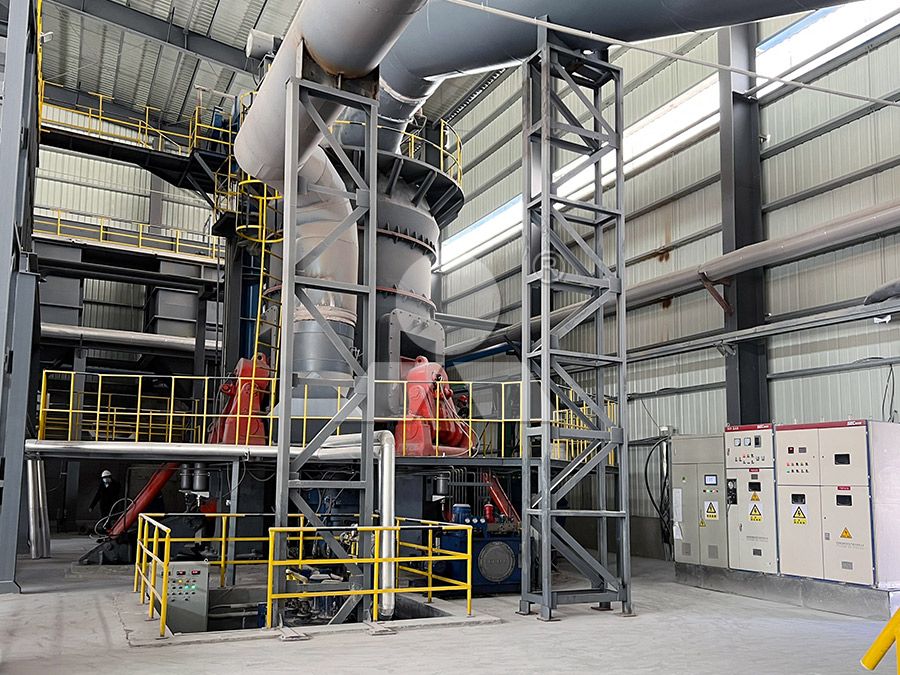
Ball mills have long been the workhorse of mineral processing operations worldwide, and they play a crucial role in slag recycling. These robust machines reduce slag to fine powders, increasing its reactivity and making it suitable for use as a supplementary cementitious material (SCM) or in other value-added products. However, not all ball mills are created equal, and selecting the right technology is paramount for economic viability.
The Critical Role of Grinding Efficiency
Slag is an abrasive material with variable hardness. Processing it efficiently requires mills that can handle these challenges while minimizing energy consumption and wear on components. Standard ball mills can be effective, but advancements in grinding technology have led to solutions that offer superior performance, especially for achieving the fine particle sizes required for high-value applications.
For operators in Indonesia, factors such as operational costs, maintenance requirements, and final product quality are decisive. This is where specialized grinding mills demonstrate their advantage over conventional equipment.
Advanced Solutions for Superior Slag Powder
While traditional ball mills are a proven technology, modern vertical grinding mills offer significant benefits for slag processing. They integrate drying, grinding, and classifying into a single unit, resulting in a more compact footprint and lower energy consumption. A standout solution for this application is the LM Vertical Slag Mill.
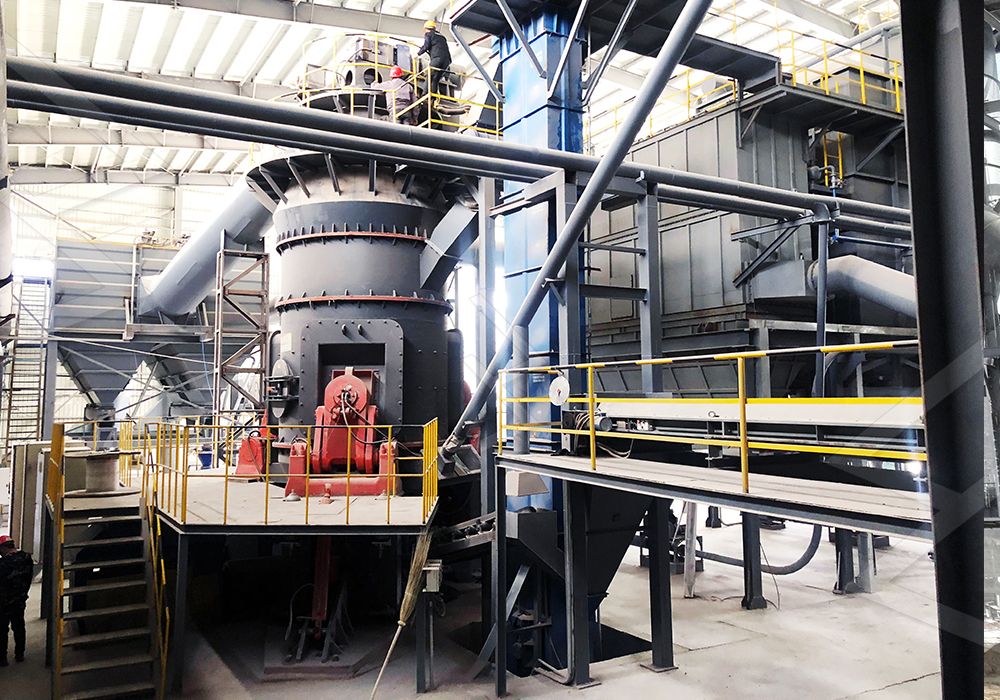
The LM Vertical Slag Mill is specifically engineered for grinding industrial waste like blast furnace slag and steel slag. It integrates drying, grinding, powder selection, and conveying into one system. Its vertical structure reduces the covered area by approximately 50% compared to a ball mill system, and it saves 30% to 40% in energy consumption. This makes it an ideal choice for Indonesian plants looking to optimize space and reduce operating costs. The mill produces a fine, uniform powder with high screening rates, perfect for the production of cement and concrete.
For projects requiring even finer powders or processing of other mineral byproducts, the MW Ultrafine Grinding Mill presents an excellent option. With an adjustable fineness between 325-2500 meshes and a capacity range of 0.5-25 tph, it is designed for customers who need to make ultra-fine powder. Its innovative design features higher yielding and lower energy consumption, being 40% more efficient than jet mills. The absence of rolling bearings and screws in the grinding chamber eliminates common failure points, ensuring worry-free operation—a critical factor in remote locations.
Tailoring the Solution to the Indonesian Market
The success of a slag processing project in Indonesia depends on more than just the machinery. It requires a solution that considers local conditions, including raw material characteristics, power availability, and climatic factors. Our technical team provides comprehensive support, from initial site analysis and equipment selection to installation, commissioning, and ongoing maintenance, ensuring that every project achieves its maximum potential.
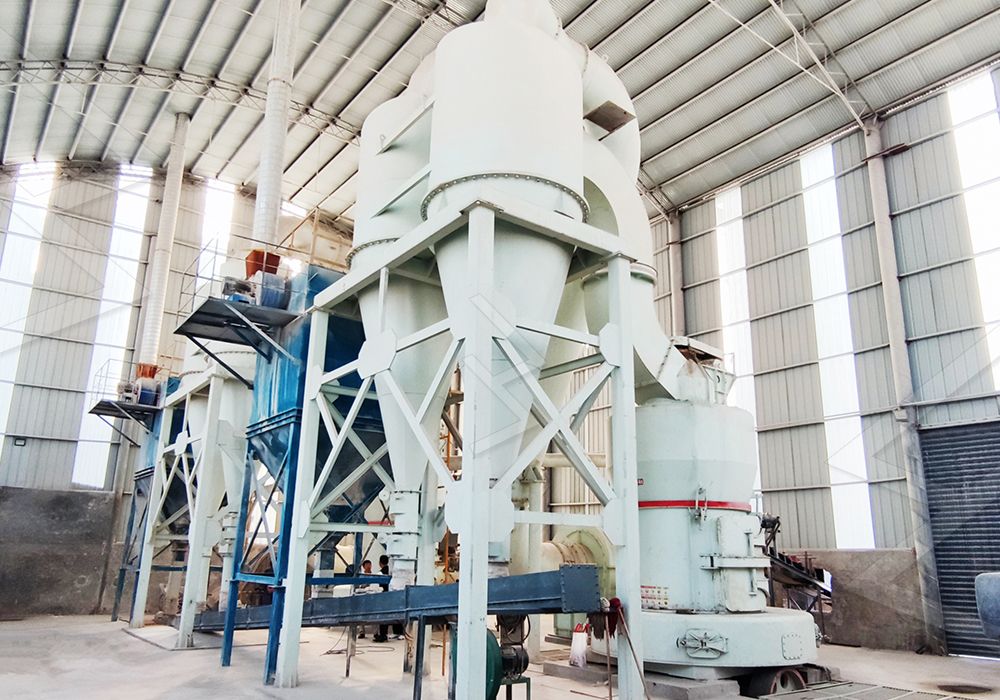
By choosing the right grinding technology, Indonesian industries can transform slag from an environmental liability into a profitable product, contributing to a more sustainable and circular economy.
Frequently Asked Questions (FAQ)
What are the main advantages of using a vertical mill over a traditional ball mill for slag?
Vertical mills like the LM Vertical Slag Mill offer higher energy efficiency (30-40% savings), a smaller footprint, integrated drying and grinding, and more stable product quality due to shorter material retention time.
Can your mills handle the high moisture content sometimes found in slag?
Yes. Our vertical mills are equipped with integrated hot air systems that efficiently dry the slag during the grinding process, making them suitable for materials with varying moisture levels.
What kind of after-sales support is available in Indonesia?
We provide comprehensive support, including installation supervision, operator training, and a reliable supply of genuine spare parts to ensure minimal downtime and long-term, worry-free operation.
What is the typical fineness achievable for slag powder used in cement?
For use as an SCM, a Blaine fineness of 400-600 m²/kg is common. Our LM Vertical Slag Mill and MW Ultrafine Mill can easily achieve and consistently maintain these specifications.