
Ball Mill Price List and Suppliers in Iceland
We provide a wide range of mills — including Raymond mill, trapezoidal mill, vertical mill, ultrafine mill, and ball mill, obtained ISO9001 international quality certification, EU CE certification, and Customs Union CU-TR certification. Suitable for processing minerals such as limestone, phosphate, quicklime, kaolin, talc, barite, bentonite, calcium carbonate, dolomite, coal, gypsum, clay, carbon black, slag, cement raw materials, cement clinker, and more.
The discharge range of these mills can be adjusted to meet specific processing needs, typically from 80-400 mesh, 600-3250 mesh, and can achieve the finest particle size of up to 6000 mesh(D50).
If you are looking for a reliable grinding solution to turn stone or minerals into fine powder, please feel free to contact our online customer service.
Navigating the Icelandic Grinding Market: A Practical Guide
Iceland’s unique industrial landscape, driven by geothermal energy, fisheries, and mineral processing, demands robust and efficient milling solutions. While ball mills have been a traditional choice for many operations, modern grinding technologies offer significant advantages in energy consumption, footprint, and product fineness. For businesses in Reykjavik, Akureyri, or other industrial centers, selecting the right equipment is crucial for maintaining competitiveness.
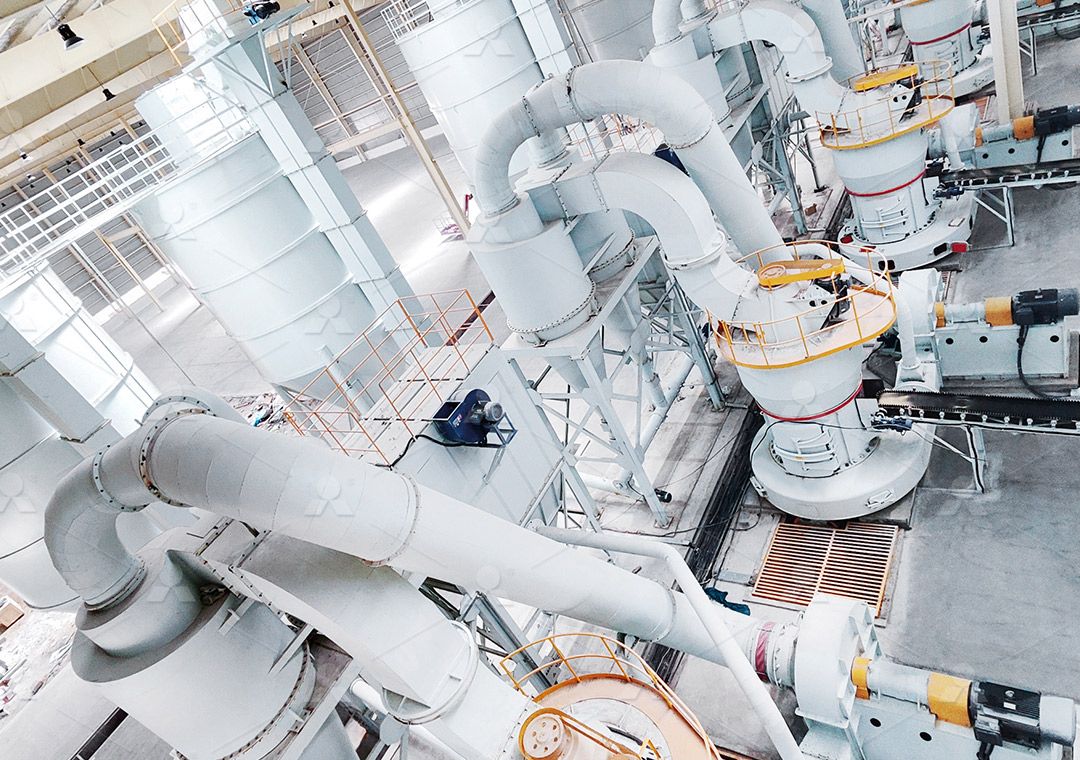
The initial cost of a ball mill in Iceland can vary widely based on capacity, liner material, and drive system. However, focusing solely on the purchase price can be misleading. Operational expenses, particularly energy consumption—a significant factor given Iceland’s unique energy market—and maintenance downtime often outweigh the initial investment. This is where exploring advanced alternatives becomes a strategic decision.
Beyond the Ball Mill: The Case for Advanced Grinding Technology
For operations requiring ultra-fine powders, especially in sectors like industrial minerals or specialized chemicals, traditional ball mills may struggle with efficiency and consistency. A highly recommended solution for such applications is our MW Ultrafine Grinding Mill. This machine is specifically engineered for customers who need to produce ultra-fine powder between 325 and 2500 meshes. With an input size of 0-20 mm and a capacity range of 0.5-25 tph, it offers remarkable flexibility. Its key advantage lies in its higher yield and lower energy consumption; it can achieve 40% higher capacity than jet mills and uses only 30% of the energy, a critical consideration for cost-sensitive Icelandic operations.
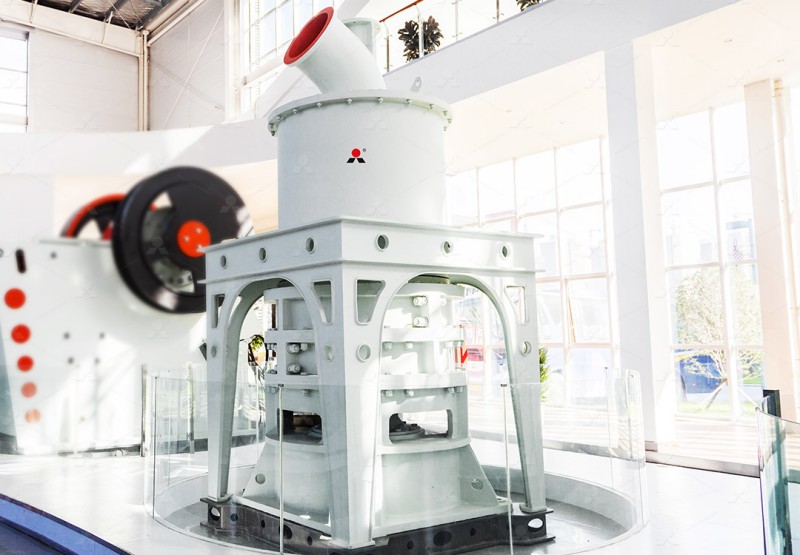
Another standout option for Icelandic industries is the LUM Ultrafine Vertical Grinding Mill. Ideal for processing materials like limestone, calcite, and dolomite with an input size of 0-10 mm and capacity of 5-18 tph, the LUM mill integrates grinding, grading, and transporting. Its multi-head powder separating technology, controlled by a PLC system, allows for precise control over fineness and reduces energy consumption by 30-50% compared to conventional mills. Its reversible structure also simplifies maintenance—a vital feature for minimizing downtime in remote locations.
Key Considerations for Icelandic Buyers
When sourcing grinding equipment for Iceland, several factors are paramount. Equipment must be robust enough to handle the intended materials, whether it’s volcanic rock derivatives or processed minerals. Equally important is the after-sales support and availability of spare parts. Partnering with a supplier that guarantees technical service and original parts ensures long-term, worry-free operation, which is essential for maintaining continuous production cycles.
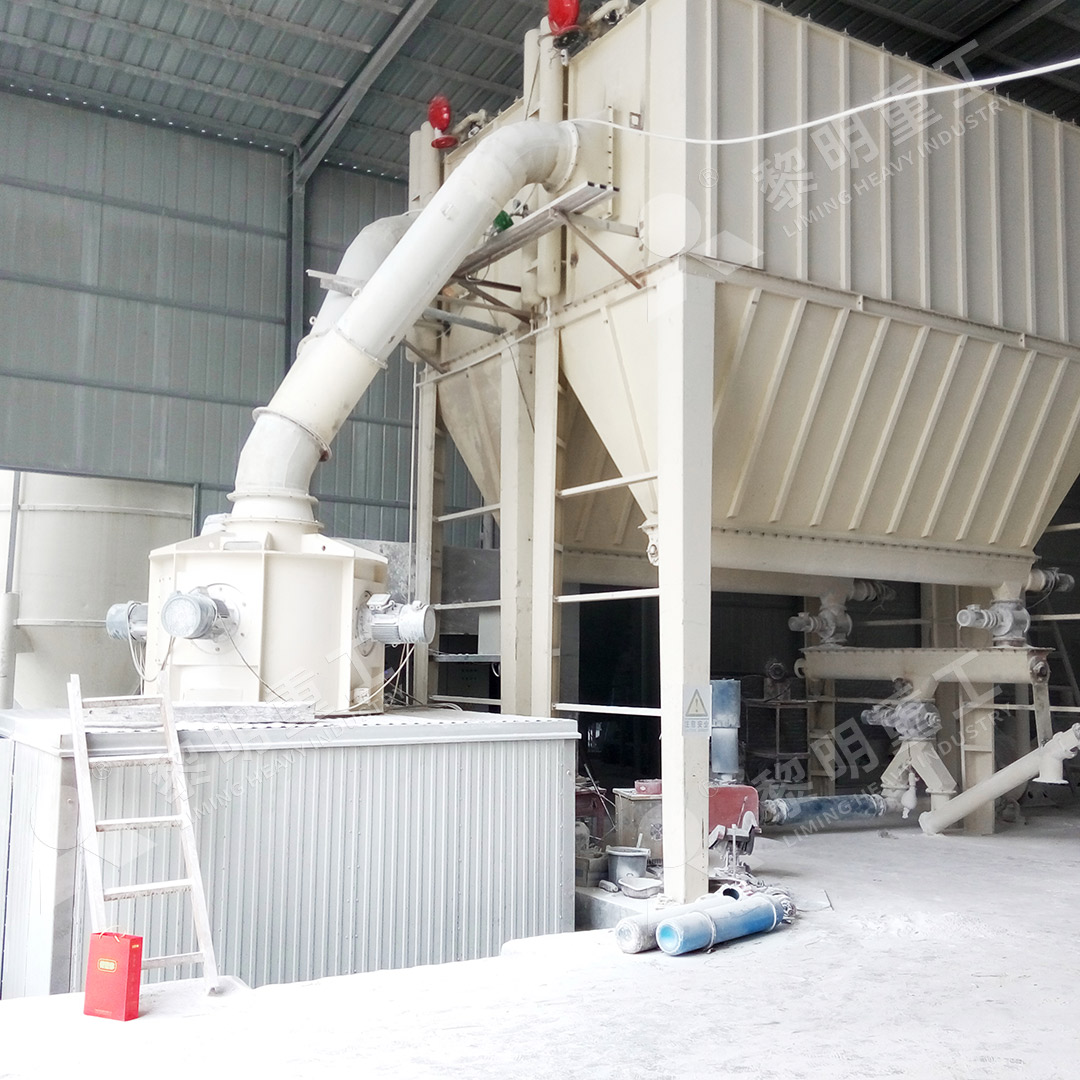
Environmental compliance is non-negotiable. Modern mills like the MW series are equipped with efficient pulse dust collectors and mufflers, ensuring operations meet stringent Icelandic environmental standards without compromising performance.
Frequently Asked Questions (FAQ)
What is the typical price range for a ball mill in Iceland?
Prices vary significantly based on size and specifications. Small laboratory-scale units may start around $15,000 USD, while large industrial systems can exceed $500,000. It’s best to request a detailed quotation based on your specific capacity and material requirements.
Why should I consider an ultrafine mill over a traditional ball mill?
Ultrafine mills like the MW or LUM models offer superior energy efficiency, higher production capacity for fine powders, a smaller physical footprint, and advanced dust control systems. This leads to lower operating costs and better environmental performance.
How does the Icelandic climate affect mill operation?
While the machinery itself is designed for global operation, considerations should be made for outdoor installation regarding temperature fluctuations. Our mills are built with robust materials and sealing systems to handle various environmental conditions effectively.
Do you provide installation and technical support in Iceland?
Yes, we work with a network of local partners and can provide comprehensive technical support, including installation supervision, operator training, and ongoing maintenance services to ensure optimal performance.
What materials can the MW Ultrafine Grinding Mill process?
The MW Mill is highly versatile, suitable for non-flammable and non-explosive materials with Mohs hardness below 7, including limestone, calcite, dolomite, barite, talc, calcium carbonate, gypsum, and more, making it ideal for various Icelandic industrial applications.