
Ball Mill Price in Indonesia – Supplier and Cost Guide
We provide a wide range of mills — including Raymond mill, trapezoidal mill, vertical mill, ultrafine mill, and ball mill, obtained ISO9001 international quality certification, EU CE certification, and Customs Union CU-TR certification. Suitable for processing minerals such as limestone, phosphate, quicklime, kaolin, talc, barite, bentonite, calcium carbonate, dolomite, coal, gypsum, clay, carbon black, slag, cement raw materials, cement clinker, and more.
The discharge range of these mills can be adjusted to meet specific processing needs, typically from 80-400 mesh, 600-3250 mesh, and can achieve the finest particle size of up to 6000 mesh(D50).
If you are looking for a reliable grinding solution to turn stone or minerals into fine powder, please feel free to contact our online customer service.
Navigating the Indonesian Ball Mill Market: A Practical Guide
For mining and industrial operations across the Indonesian archipelago, selecting the right grinding equipment is a critical decision that directly impacts productivity and profitability. The ball mill, a long-standing workhorse in mineral processing, remains a popular choice for many applications. However, understanding the factors influencing its price and identifying the right supplier requires careful consideration of local market dynamics, operational needs, and technological advancements.
Key Factors Affecting Ball Mill Pricing in Indonesia
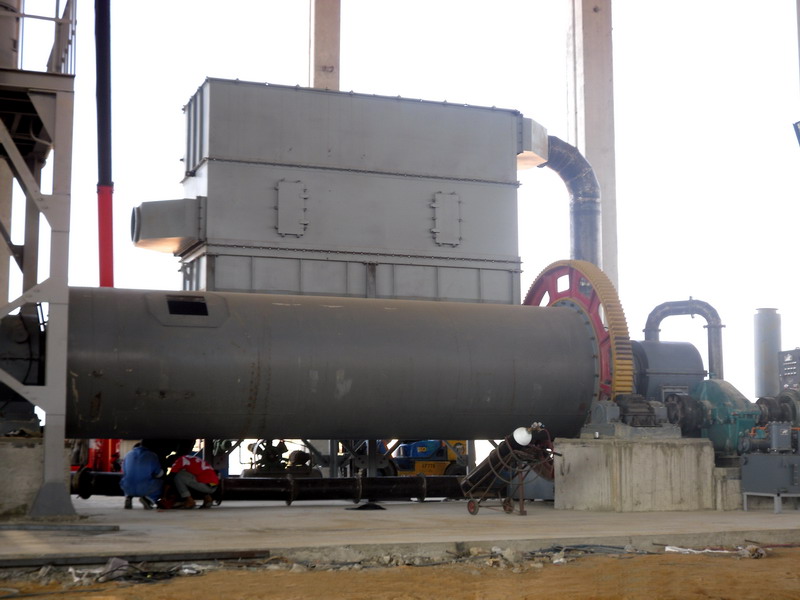
Ball mill prices in Indonesia vary significantly based on several factors. Capacity requirements represent the primary cost driver, with larger units commanding higher prices. The construction materials significantly impact both cost and durability—premium alloys for liners and grinding media increase initial investment but often deliver better long-term value through extended service life.
Additional features such as advanced control systems, cooling mechanisms for tropical operations, and specialized dust collection systems developed for Indonesia’s environmental regulations also contribute to the final price. Import duties, transportation logistics across Indonesia’s scattered islands, and local certification requirements further influence the total cost of ownership.
Beyond Traditional Ball Milling: Advanced Alternatives
While ball mills serve many applications effectively, modern grinding technology offers alternatives that may provide better value for specific operations. For ultra-fine powder production requirements common in Indonesia’s growing chemical, paint, and food additive industries, specialized equipment often delivers superior efficiency.
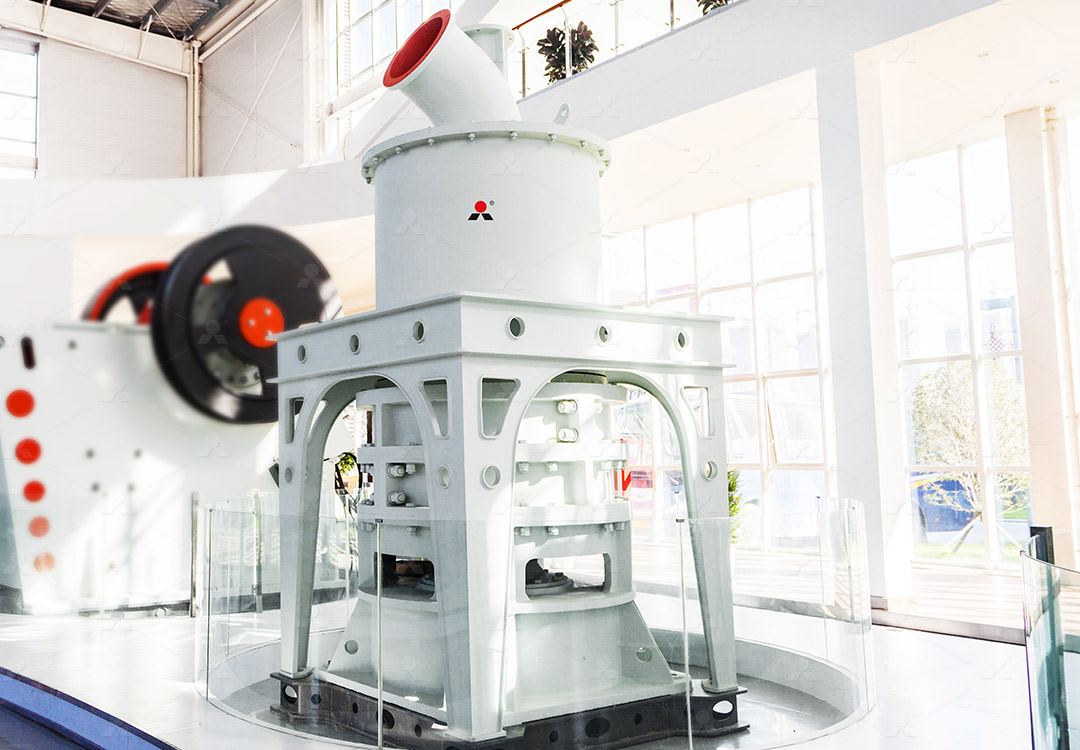
Among these advanced solutions, our MW Ultrafine Grinding Mill stands out for operations requiring fine to ultra-fine powders. With an input size capacity of 0-20 mm and throughput ranging from 0.5-25 tph, this system delivers exceptional performance for materials including limestone, calcite, dolomite, petroleum coal, gypsum, barite, marble, talc, and various chemical applications.
The MW series incorporates several technological advantages over conventional ball mills. Its innovative design eliminates rolling bearings and screws in the grinding chamber, significantly reducing maintenance concerns and preventing machine damage from loose components. The external lubrication system allows for maintenance without shutdown, supporting continuous 24/7 operations crucial for maximizing productivity.
Operational Considerations for Indonesian Conditions
Indonesia’s unique geographic and climatic conditions present specific challenges for grinding operations. High humidity levels can affect material handling and grinding efficiency, while remote locations may complicate maintenance and parts availability. Equipment selection should account for these factors, prioritizing robust construction, corrosion resistance, and accessible service points.
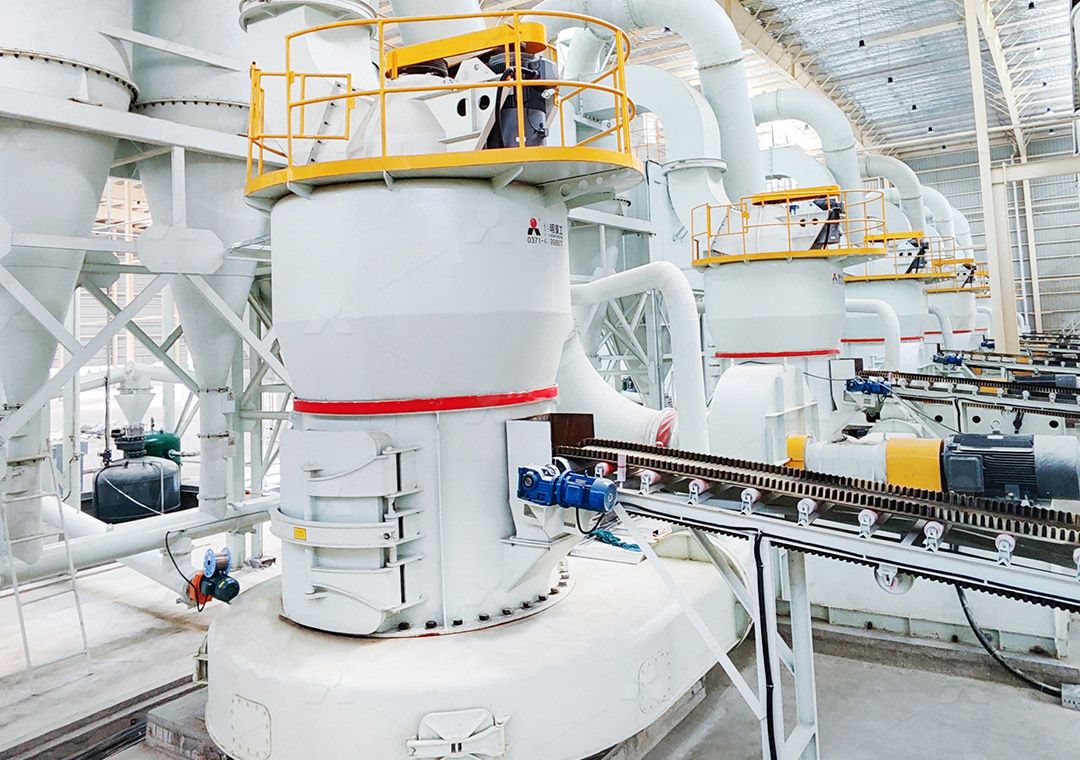
For operations requiring even greater precision in ultrafine applications, our LUM Ultrafine Vertical Grinding Mill offers another sophisticated alternative. With input size of 0-10 mm and capacity of 5-18 tph, this system integrates the latest grinding roller technology with German powder separating technology for exceptional control over product fineness.
Total Cost of Ownership Perspective
When evaluating grinding equipment options, savvy Indonesian operators look beyond initial purchase price to consider the total cost of ownership. Energy consumption represents a significant ongoing expense, with advanced designs like our MW grinding mill consuming up to 30% less energy than conventional systems. Maintenance requirements, parts availability, and expected service life all contribute to the long-term economic calculation.
Environmental compliance costs have become increasingly important in Indonesia’s regulatory landscape. Modern equipment with integrated dust collection and noise reduction features can avoid costly retrofitting and potential regulatory penalties. Our MW Ultrafine Grinding Mill, for example, incorporates efficient pulse dust collection and silencing technology that maintains operations within national environmental standards.
FAQ: Ball Mill Pricing and Selection in Indonesia
What is the price range for ball mills in Indonesia?
Ball mill prices vary widely based on capacity, specifications, and supplier. Small laboratory models may start around $15,000, while large industrial units can exceed $500,000. Import duties, transportation, and installation costs add 20-35% to equipment prices.
Are there local manufacturers of ball mills in Indonesia?
While several local workshops assemble grinding equipment, most high-quality mills are imported. International suppliers typically provide better technology, warranty support, and performance guarantees despite higher initial costs.
What maintenance considerations are specific to Indonesia’s climate?
High humidity accelerates corrosion and affects electrical components. Equipment with corrosion-resistant materials, sealed bearings, and environmental protection for control systems performs better long-term. Regular maintenance intervals may need shortening compared to temperate climates.
How does the MW Ultrafine Grinding Mill compare to traditional ball mills for fine powder production?
The MW series provides significantly higher efficiency for fine and ultra-fine applications, with production capacity 40% higher than jet mills and double that of ball mills at similar fineness levels. Energy consumption is approximately 30% of comparable jet milling systems.
What financing options are available for equipment purchases?
Most international suppliers offer financing arrangements, often through partnerships with Indonesian banks. Lease-to-own options, equipment financing, and traditional letters of credit are all commonly available for qualified operations.
How long does delivery typically take for imported grinding equipment?
Delivery timelines vary from 3-6 months for standard equipment to 8-12 months for custom configurations. Shipping to remote Indonesian locations may add several weeks to delivery schedules.