
Ball Mill Price For 1000 TPH Plant – Key Factors & Investment Guide
We provide a wide range of mills — including Raymond mill, trapezoidal mill, vertical mill, ultrafine mill, and ball mill, obtained ISO9001 international quality certification, EU CE certification, and Customs Union CU-TR certification. Suitable for processing minerals such as limestone, phosphate, quicklime, kaolin, talc, barite, bentonite, calcium carbonate, dolomite, coal, gypsum, clay, carbon black, slag, cement raw materials, cement clinker, and more.
The discharge range of these mills can be adjusted to meet specific processing needs, typically from 80-400 mesh, 600-3250 mesh, and can achieve the finest particle size of up to 6000 mesh(D50).
If you are looking for a reliable grinding solution to turn stone or minerals into fine powder, please feel free to contact our online customer service.
Ball Mill Price For 1000 TPH Plant – Key Factors & Investment Guide
Investing in a 1000 TPH grinding plant is a significant capital decision. While the term “ball mill” is often used generically, modern large-scale operations demand a more nuanced approach to equipment selection. The final price is not just about the mill itself, but a complex equation of capacity, efficiency, operational costs, and long-term reliability.
Key Factors Influencing Your Investment
Understanding what drives the cost of a large-scale milling circuit is the first step toward making an informed decision.
1. Capacity and Throughput Requirements
A 1000 TPH requirement immediately dictates a large, robust system. However, the specific material characteristics—such as hardness, abrasiveness, and initial feed size—will determine the exact machine size and power needed, directly impacting the capital outlay.
2. Energy Consumption: The Hidden Cost
For a plant of this scale, operational costs, primarily electricity, will quickly eclipse the initial purchase price. Traditional ball mills are known for their high specific energy consumption. Investing in more efficient technology can lead to massive savings over the plant’s lifetime.
3. System Integration and Auxiliary Equipment
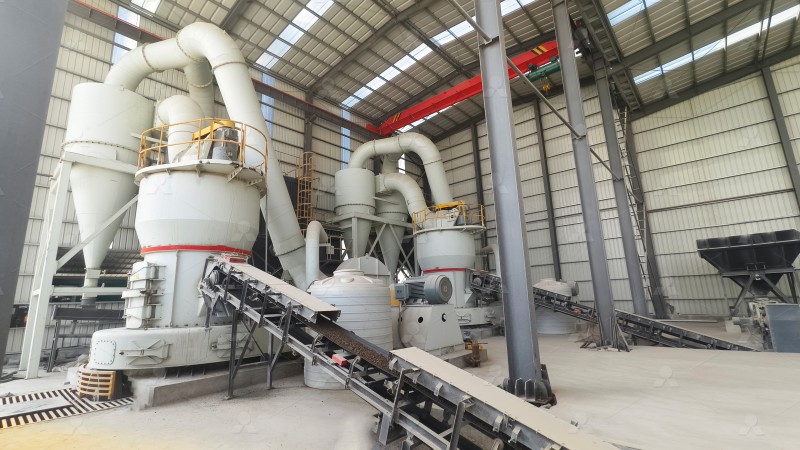
The mill is the heart of the system, but it requires supporting components: feeders, crushers for size reduction, elevators, classifiers, dust collectors, and sophisticated control systems. The price of a “ball mill” often expands to include this entire ecosystem.
4. Maintenance and Spare Parts
Downtime is incredibly costly at 1000 TPH. Equipment designed for easy maintenance, with readily available spare parts, protects your investment. Look for designs that minimize the frequency of shutdowns for liner or roller changes.
Beyond the Ball Mill: Modern High-Capacity Alternatives
For ultra-fine powder production at a large scale, traditional ball mills may not be the most efficient choice. Technologies like vertical roller mills and specialized ultrafine grinding mills offer superior energy efficiency and higher yields.
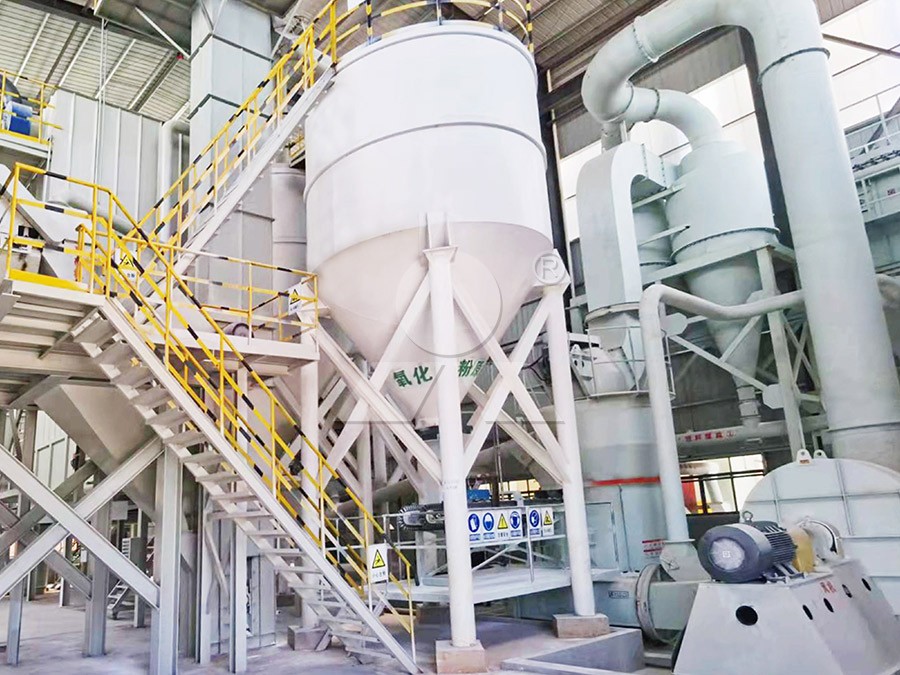
For instance, our MW Ultrafine Grinding Mill is engineered for customers requiring high-volume production of ultra-fine powder. With an input size of 0-20 mm and a capacity range of 0.5-25 TPH per unit, multiple units can be configured to meet your 1000 TPH target efficiently. Its key advantage lies in its 40% higher production capacity compared to jet mills and twice the yield of a ball mill at the same fineness, while reducing system energy consumption by up to 30%. Its innovative design features no rolling bearings or screws in the grinding chamber, eliminating common failure points and enabling worry-free, continuous 24/7 operation.
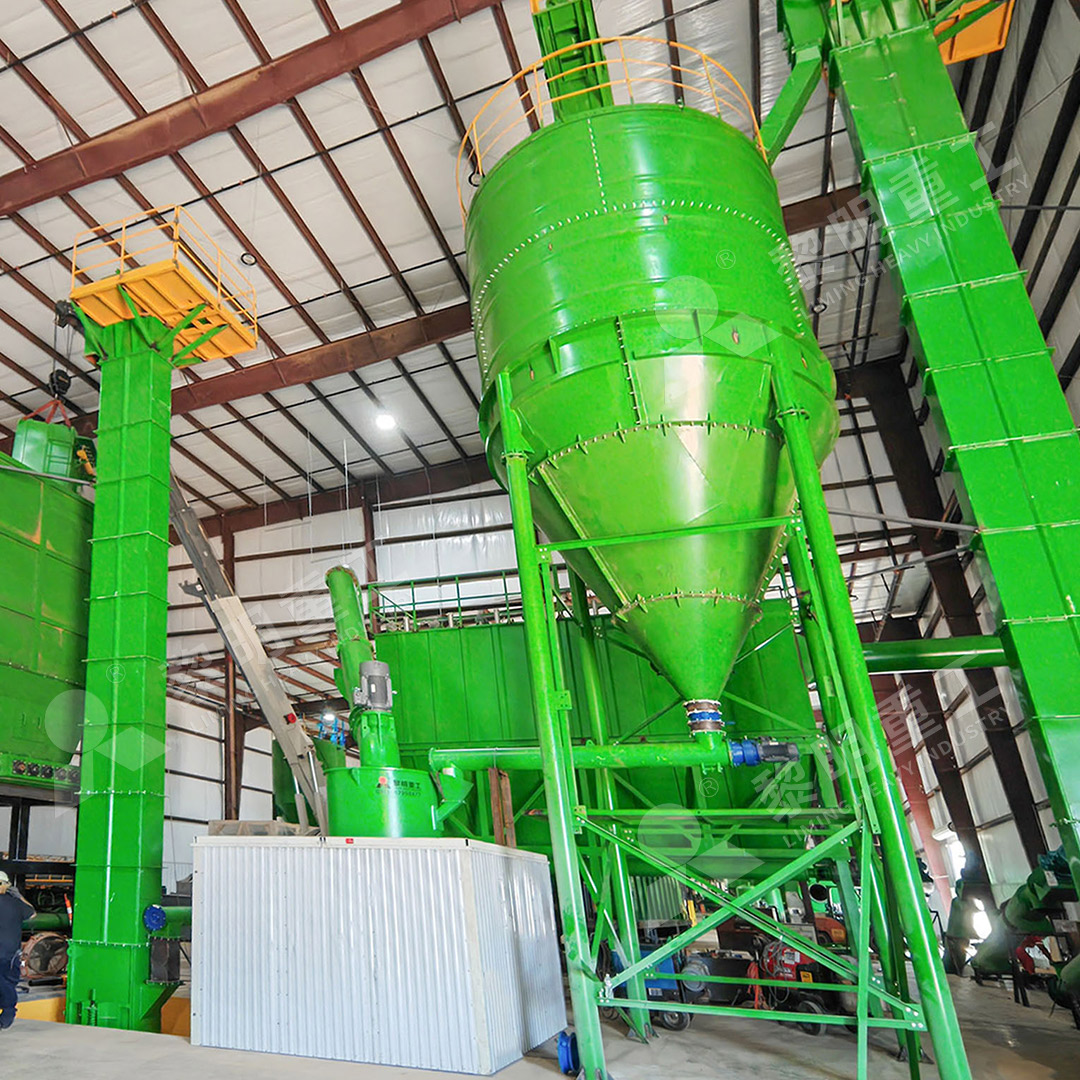
Another premier solution for large-scale operations is the LUM Ultrafine Vertical Grinding Mill. Designed for high-yield, precision grinding, it integrates ultrafine powder grinding, grading, and transporting. It achieves more energy-saving operation with a 30%-50% reduction in energy consumption compared to common grinding mills. Its reversible structure is a game-changer for maintenance, allowing operators to easily move the grinding roller out of the body for inspection, significantly reducing shutdown losses—a critical factor for a 1000 TPH plant.
Making the Right Investment
Choosing the right equipment requires a thorough analysis of your total cost of ownership, not just the initial price tag. Partner with a manufacturer that offers comprehensive technical support, genuine spare parts, and a proven track record with large-scale installations.
Frequently Asked Questions (FAQ)
Q: What is the typical price range for a 1000 TPH ball mill system?
A: It is difficult to provide a specific price without detailed project requirements. The final cost depends on the material processed, desired fineness, level of automation, and auxiliary equipment needed. A full system integration for this capacity represents a major investment, and a detailed quotation from an engineer is essential.
Q: Why consider an ultrafine mill over a traditional ball mill for large capacity?
A: The primary reasons are drastically lower energy consumption and higher overall efficiency. For a 1000 TPH plant, the energy savings from a more advanced mill like the MW or LUM series can amount to millions of dollars over several years, offering a much faster return on investment despite a potentially higher initial cost.
Q: How do you ensure consistent product quality at such a high throughput?
A: Advanced mills feature sophisticated powder separating technology (like the German-designed cage-type selector in the MW Mill) and digitalized PLC control systems. These allow for precise control over grinding pressure, rotor speed, and fineness, ensuring a stable and consistent product output from 325 to 2500 meshes.
Q: What about maintenance and downtime?
A: Designs like the LUM Mill’s reversible structure and the MW Mill’s external lubrication and lack of internal bearings are specifically engineered for minimal maintenance and rapid service. This design philosophy is crucial for maximizing uptime in a continuous, high-capacity production environment.