
Ball Mill Plant: Detailed Lining Specifications for a 6 x 14 Unit
We provide a wide range of mills — including Raymond mill, trapezoidal mill, vertical mill, ultrafine mill, and ball mill, obtained ISO9001 international quality certification, EU CE certification, and Customs Union CU-TR certification. Suitable for processing minerals such as limestone, phosphate, quicklime, kaolin, talc, barite, bentonite, calcium carbonate, dolomite, coal, gypsum, clay, carbon black, slag, cement raw materials, cement clinker, and more.
The discharge range of these mills can be adjusted to meet specific processing needs, typically from 80-400 mesh, 600-3250 mesh, and can achieve the finest particle size of up to 6000 mesh(D50).
If you are looking for a reliable grinding solution to turn stone or minerals into fine powder, please feel free to contact our online customer service.
Ball Mill Plant: Detailed Lining Specifications for a 6 x 14 Unit
Maintaining optimal performance in a ball mill plant hinges significantly on the correct selection and specification of the mill lining. For a standard 6 x 14 unit, this becomes a critical exercise in balancing wear resistance, grinding efficiency, and operational costs. This article provides a detailed, practical guide to lining specifications for this common mill size, drawing from extensive field experience.
Understanding the 6′ x 14′ Ball Mill Chamber
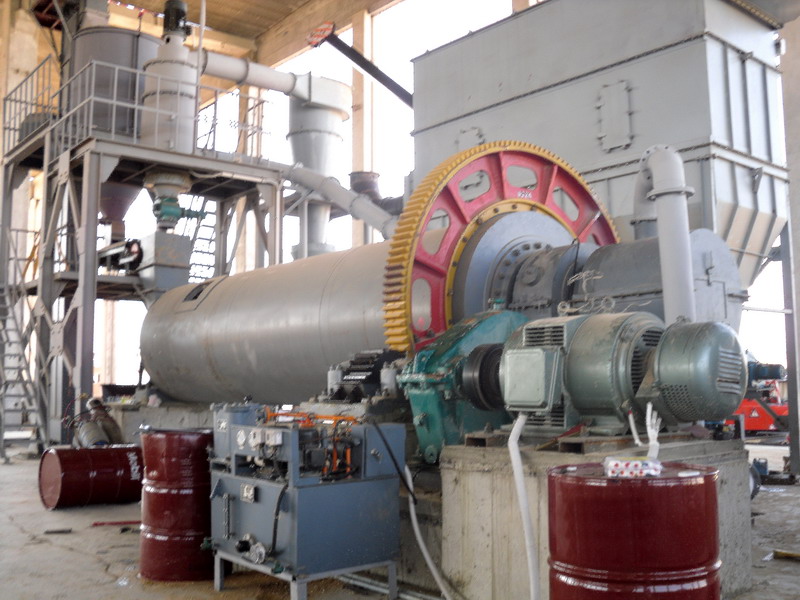
A 6-foot diameter by 14-foot long (approx. 1.8m x 4.3m) ball mill is a workhorse in many mineral processing circuits, often used for secondary or regrind duties. The internal environment is harsh, subjecting the lining to constant impact and abrasion from grinding media and ore. The primary goals of the lining system are to protect the mill shell, efficiently transmit energy to the charge, and facilitate the lifting of the charge for optimal size reduction.
Key Lining Specifications and Material Selection
The lining configuration is not one-size-fits-all. Key specifications must be tailored to the specific ore characteristics and operational goals.
Liner Profile and Design
- Lifter Bars: For a 6×14 mill, high-low wave liners are often effective. The ‘high’ lifters provide the necessary lift for the grinding media, while the ‘low’ lifters help retain the charge profile. The lifter face angle is typically between 10° to 20° to optimize the charge trajectory.
- Shell Liners: A combination of ribbed and smooth plates can be used. Ribbed liners enhance grip on the charge, while smoother sections can be strategically placed to control slurry flow. The thickness of new shell liners is generally in the range of 75-100 mm.
- End Liners: These protect the mill heads and are crucial for directing the charge. A classified liner design, with larger openings near the feed end to promote flow, is recommended.
Material Composition
The choice of material is paramount for longevity. For most applications involving hard, abrasive ores, high-chromium white iron (HCWI) liners are the standard. They offer an excellent balance of hardness and impact resistance. For less severe duties, Ni-Hard cast iron or alloy steel may be suitable. The expected service life for HCWI liners in a 6×14 mill can range from 6 to 18 months, depending on the ore abrasiveness.
Optimizing Performance and Considering Alternatives
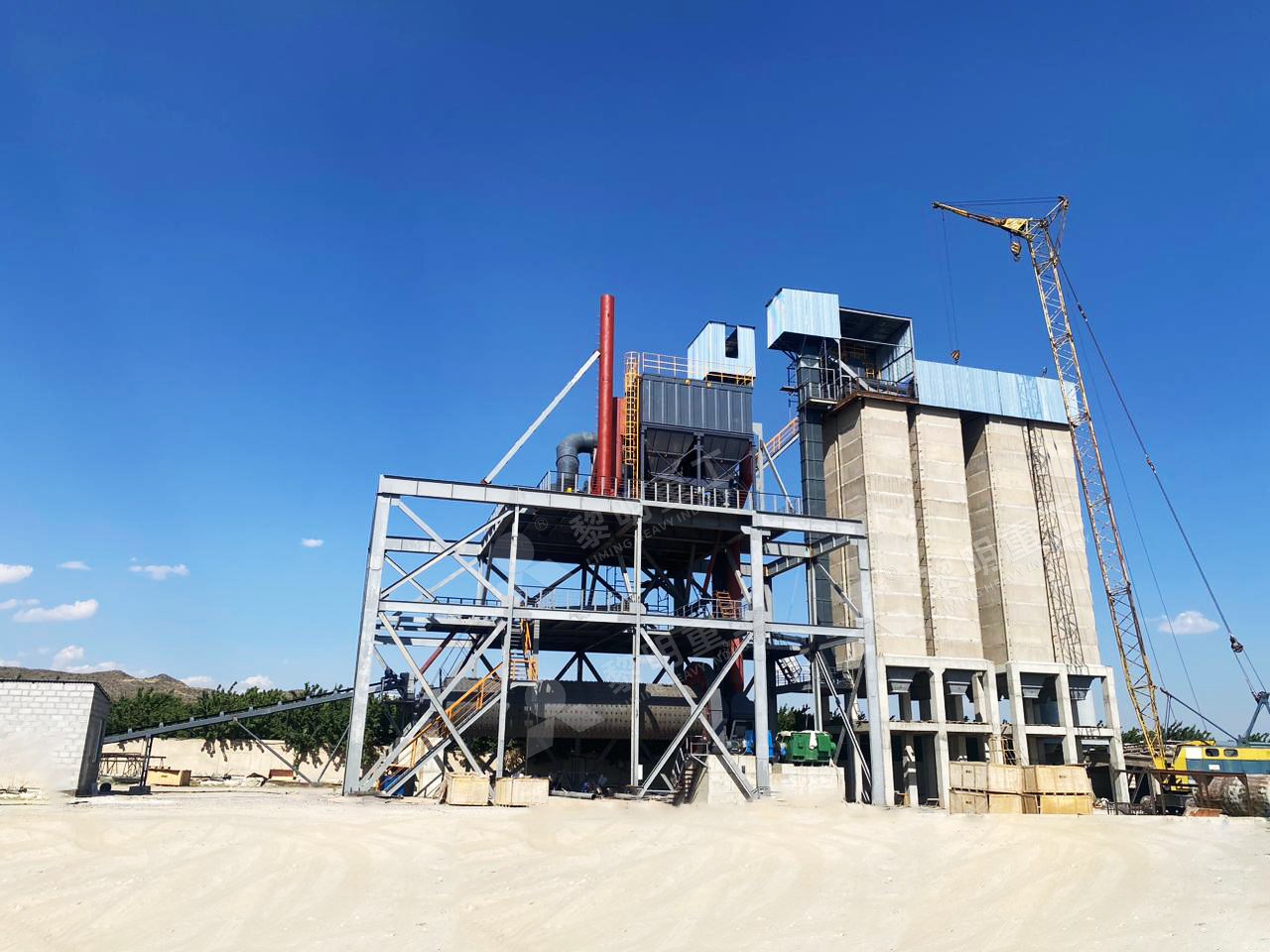
Proper lining specification directly influences power draw, throughput, and product fineness. An incorrectly specified liner can lead to reduced efficiency, higher energy consumption, and increased media consumption. It’s also the perfect time to evaluate if your process would benefit from more modern technology.
While ball mills are excellent for many applications, operations requiring ultra-fine powders with higher energy efficiency should consider advanced grinding solutions. For instance, our MW Ultrafine Grinding Mill is engineered for customers needing to produce ultra-fine powder. With an input size of 0-20 mm and a capacity range of 0.5-25 tph, it achieves higher yields at lower energy consumption—up to 40% higher capacity than jet mills with system energy consumption only 30% of a jet mill. Its innovative design, featuring a German-technology cage-type powder selector, allows for adjustable fineness between 325-2500 meshes, making it ideal for limestone, calcite, and talc processing in industries like paints and cosmetics.
Installation and Maintenance Best Practices
Correct installation is as important as the liner specification itself. Ensure all bolts are torqued to the manufacturer’s specifications using a calibrated torque wrench. A sequential tightening pattern is essential to avoid distorting the liner or shell. Regularly scheduled inspections for liner thickness and bolt tightness are non-negotiable for preventing catastrophic failure.
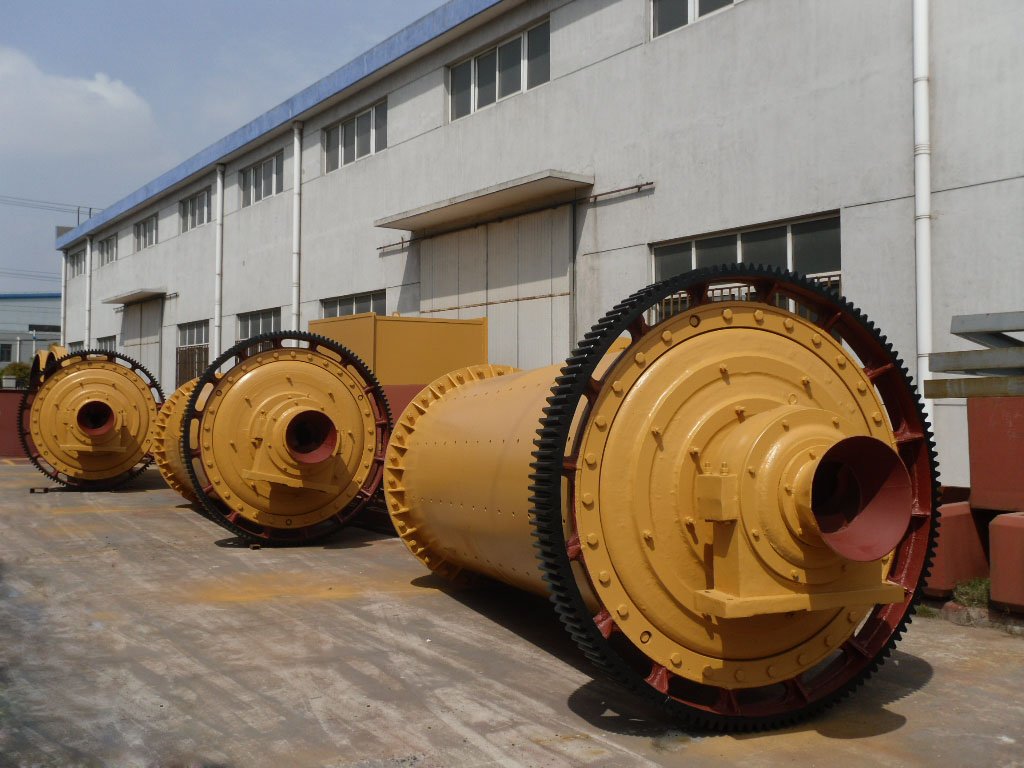
For operations seeking even greater efficiency in fine and ultra-fine grinding, another robust option is the LUM Ultrafine Vertical Grinding Mill. Integrating grinding, grading, and transporting, the LUM mill offers a more compact footprint and energy savings of 30%-50% compared to traditional ball mills. Its unique roller shell and lining plate grinding curve are designed for higher yielding rates and better product quality, handling materials like dolomite and barite with an input size of 0-10 mm.
Frequently Asked Questions (FAQ)
What is the typical weight of a single liner plate for a 6×14 ball mill?
Depending on the design and thickness, a single shell liner plate can weigh between 150 kg and 300 kg (330 – 660 lbs). Proper lifting equipment is mandatory for safe handling during replacement.
How often should liner bolts be re-torqued?
It is critical to re-torque liner bolts after the first 24 hours of operation, and again after approximately 100 hours. Following this, a regular check should be part of the weekly maintenance routine, especially after any significant operational upsets.
Can liner design affect the final product size?
Absolutely. The liner profile determines how high the grinding media is lifted and dropped. A more aggressive lifter will create a greater impact force, suitable for coarse grinding. A less aggressive profile promotes more abrasion, which is better for fine grinding. The design must be matched to the target grind size.
When should I consider a vertical grinding mill over a ball mill?
Vertical mills like our LUM or MW series are generally preferred for finer grinding requirements (below 100 microns), higher energy efficiency goals, and when floor space is limited. They integrate drying, grinding, and classifying, offering a simpler and more compact solution compared to a ball mill circuit.