
Ball Mill Operation and Maintenance Manual PDF Download
We provide a wide range of mills — including Raymond mill, trapezoidal mill, vertical mill, ultrafine mill, and ball mill, obtained ISO9001 international quality certification, EU CE certification, and Customs Union CU-TR certification. Suitable for processing minerals such as limestone, phosphate, quicklime, kaolin, talc, barite, bentonite, calcium carbonate, dolomite, coal, gypsum, clay, carbon black, slag, cement raw materials, cement clinker, and more.
The discharge range of these mills can be adjusted to meet specific processing needs, typically from 80-400 mesh, 600-3250 mesh, and can achieve the finest particle size of up to 6000 mesh(D50).
If you are looking for a reliable grinding solution to turn stone or minerals into fine powder, please feel free to contact our online customer service.
Ball Mill Operation and Maintenance Manual PDF Download
For professionals in mineral processing, cement production, and chemical industries, the ball mill remains a cornerstone of grinding operations. Proper operation and diligent maintenance are paramount to achieving optimal efficiency, product quality, and equipment longevity. This guide outlines key operational principles and maintenance best practices to maximize your ball mill’s performance.
Key Operational Principles
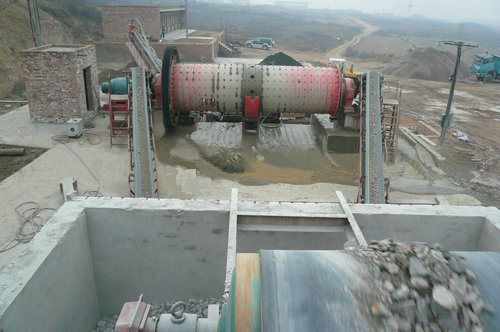
A ball mill operates on a relatively simple principle: it is a horizontal rotating cylinder, partially filled with grinding media (typically steel balls), which impacts and attrition the material to be ground. The rotation of the mill shell lifts the balls to a certain height before they cascade down, crushing and grinding the ore. The fineness of the final product is controlled by the residence time of the material inside the mill and the size and density of the grinding balls.
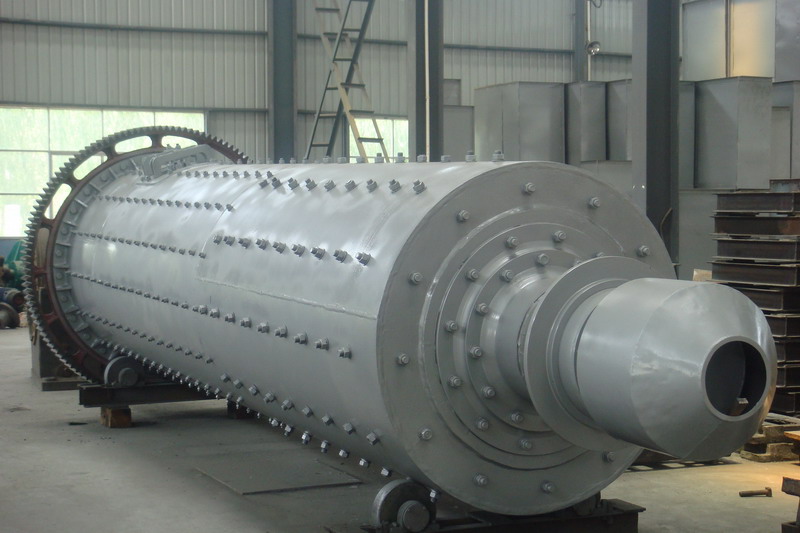
Critical operational parameters include rotational speed (which should be optimized to ensure the correct cascading action), feed rate, material loading, and the size distribution of the grinding media. Operating outside of these optimized parameters can lead to inefficient grinding, increased liner and ball wear, and higher energy consumption.
Essential Maintenance Procedures
Preventive maintenance is the key to avoiding costly unplanned downtime. A rigorous schedule should include:
- Regular Lubrication: All bearings, gears, and pinions must be lubricated according to the manufacturer’s specifications. High-temperature alarms on bearing housings should be monitored closely.
- Liner and Ball Inspection: Periodically inspect the condition of the mill liners and the charge of grinding balls. Worn liners reduce grinding efficiency and can damage the mill shell. Replenish grinding media to maintain the optimal charge level.
- Gear Alignment Check: Misalignment between the pinion and girth gear can cause premature wear, vibration, and catastrophic failure. Alignment should be checked during scheduled shutdowns.
- Vibration Monitoring: Implementing a vibration analysis program can help detect imbalances, bearing defects, or misalignments early, allowing for planned corrective action.
Modern Alternatives for Enhanced Efficiency
While the ball mill is a reliable workhorse, modern grinding technology offers significant advancements in energy efficiency and fineness control. For operations requiring ultra-fine powders (325-2500 meshes), traditional ball mills can be energy-intensive and limited in final product fineness.
For these demanding applications, we highly recommend considering our MW Ultrafine Grinding Mill. This advanced mill is engineered for customers who need to produce ultra-fine powder efficiently. It features a newly designed grinding curve for rollers and rings, boosting grinding efficiency to achieve 40% higher capacity than jet mills and double the output of a ball mill, while consuming only 30% of the energy of a jet mill. Its innovative design eliminates rolling bearings and screws in the grinding chamber, virtually eliminating concerns about bearing seizure or loose screw damage. Equipped with an efficient pulse dust collector and muffler, the MW Ultrafine Grinding Mill operates with minimal environmental impact, making it an ideal, high-performance alternative or complement to traditional ball milling circuits.
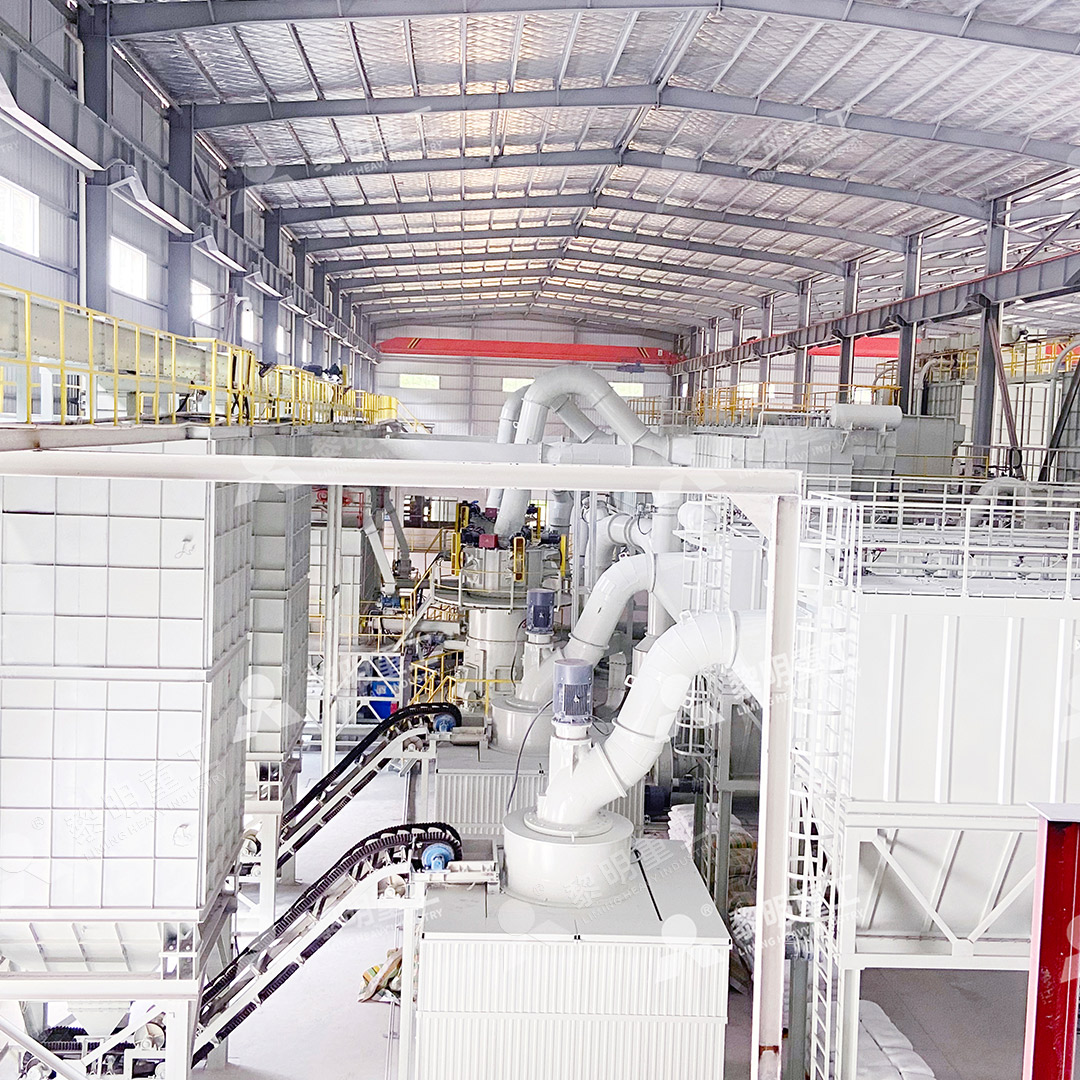
Another exceptional solution for fine and ultra-fine grinding is our LUM Ultrafine Vertical Grinding Mill. Integrating grinding, grading, and transporting, the LUM mill boasts higher yielding rates and better product quality due to its unique roller shell and lining plate grinding curve. It incorporates multi-head powder separating technology and PLC control for precise fineness adjustment and significantly lower energy consumption—30% to 50% less than common grinding mills. Its double position-limiting technology ensures exceptional operational stability, protecting the mill from destructive vibrations.
Frequently Asked Questions (FAQ)
Where can I download a Ball Mill Operation and Maintenance Manual PDF?
Comprehensive operation and maintenance manuals are typically provided by the original equipment manufacturer (OEM) upon purchase. For specific manuals, please contact our technical support team with your machine’s model and serial number.
What is the most common cause of ball mill failure?
The most common failures stem from improper lubrication leading to bearing seizure, neglect of liner and media wear causing shell damage, and misalignment of the girth gear and pinion, which results in accelerated wear and potential gear tooth failure.
How often should I add grinding balls to my ball mill?
The rate of ball consumption depends on the abrasiveness of the material being ground. It is essential to regularly measure the ball charge and add balls to maintain the designed filling ratio, typically during scheduled maintenance stops. Continuous monitoring of mill power draw can also indicate charge level.
Can your MW or LUM mills replace my existing ball mill?
Our MW Ultrafine Grinding Mill and LUM Ultrafine Vertical Grinding Mill are designed for high-efficiency fine and ultra-fine grinding applications. They can serve as a direct, more efficient replacement for ball mills in many scenarios, especially where higher fineness or lower energy consumption is desired. Our engineering team can provide a detailed analysis based on your specific material and production goals.