
Ball Mill Manufacturing in Australia: A Comprehensive Guide for Industrial Applications
We provide a wide range of mills — including Raymond mill, trapezoidal mill, vertical mill, ultrafine mill, and ball mill, obtained ISO9001 international quality certification, EU CE certification, and Customs Union CU-TR certification. Suitable for processing minerals such as limestone, phosphate, quicklime, kaolin, talc, barite, bentonite, calcium carbonate, dolomite, coal, gypsum, clay, carbon black, slag, cement raw materials, cement clinker, and more.
The discharge range of these mills can be adjusted to meet specific processing needs, typically from 80-400 mesh, 600-3250 mesh, and can achieve the finest particle size of up to 6000 mesh(D50).
If you are looking for a reliable grinding solution to turn stone or minerals into fine powder, please feel free to contact our online customer service.
Ball Mill Manufacturing in Australia: A Comprehensive Guide for Industrial Applications
Australia’s robust mining, mineral processing, and construction sectors demand reliable and efficient grinding solutions. Ball mills have long been a cornerstone of these industries, facilitating the size reduction of various materials from ores to cement. However, the evolution of milling technology has introduced advanced alternatives that offer superior efficiency, finer outputs, and reduced operational costs. This guide explores the role of grinding mills in the Australian industrial landscape and highlights modern solutions that are reshaping productivity standards.
The Role of Grinding Mills in Australian Industry
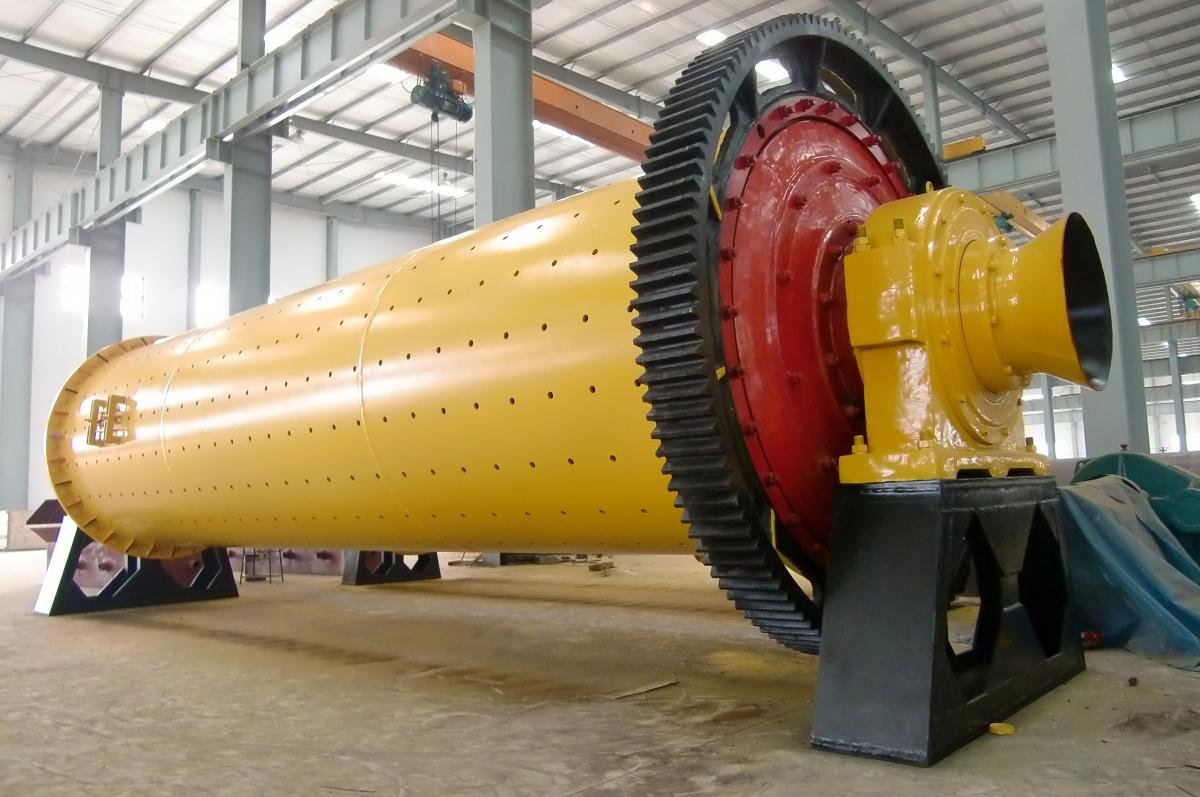
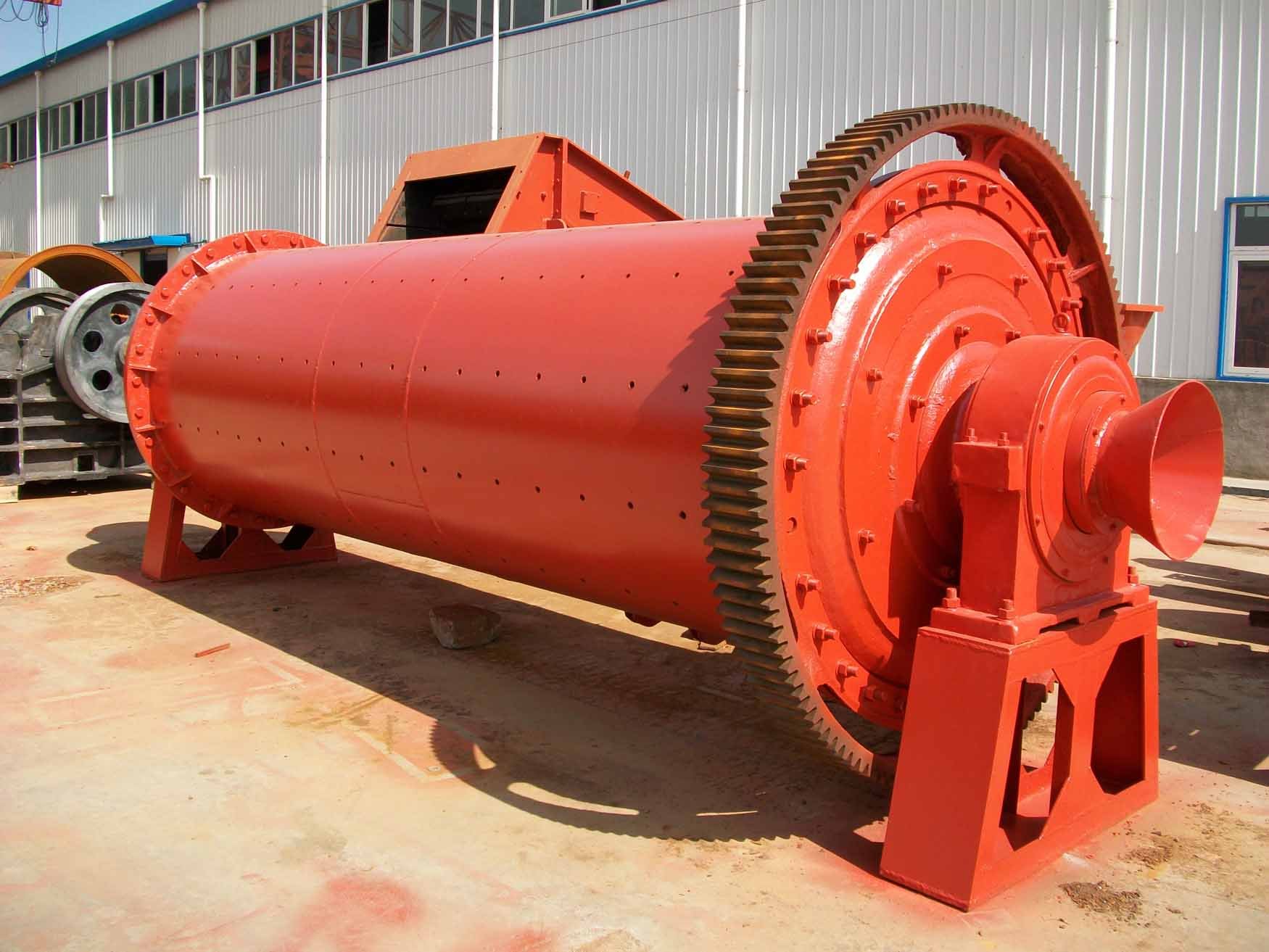
From the iron ore mines of the Pilbara to the limestone quarries of Queensland, grinding is a fundamental process. Traditional ball mills operate on a simple principle: a rotating cylinder filled with grinding media (typically steel balls) impacts and crushes the feed material. While effective for coarse grinding, these mills can be limited by high energy consumption, significant noise, and challenges in achieving ultra-fine particle sizes consistently. As environmental regulations tighten and efficiency becomes paramount, Australian operators are increasingly looking towards next-generation milling technology.
Advancing Beyond Traditional Ball Milling
The quest for higher efficiency and finer products has led to significant innovations. Modern mills are designed to integrate multiple processes—drying, grinding, classifying, and conveying—into a single, compact unit. This not only reduces the plant’s footprint, a significant advantage in remote Australian locations, but also minimizes energy loss and operational complexity. Key advancements include precision-controlled grinding pressure, advanced powder separation technology, and automated control systems that optimize performance in real-time.
Recommended Solution: The MW Ultrafine Grinding Mill
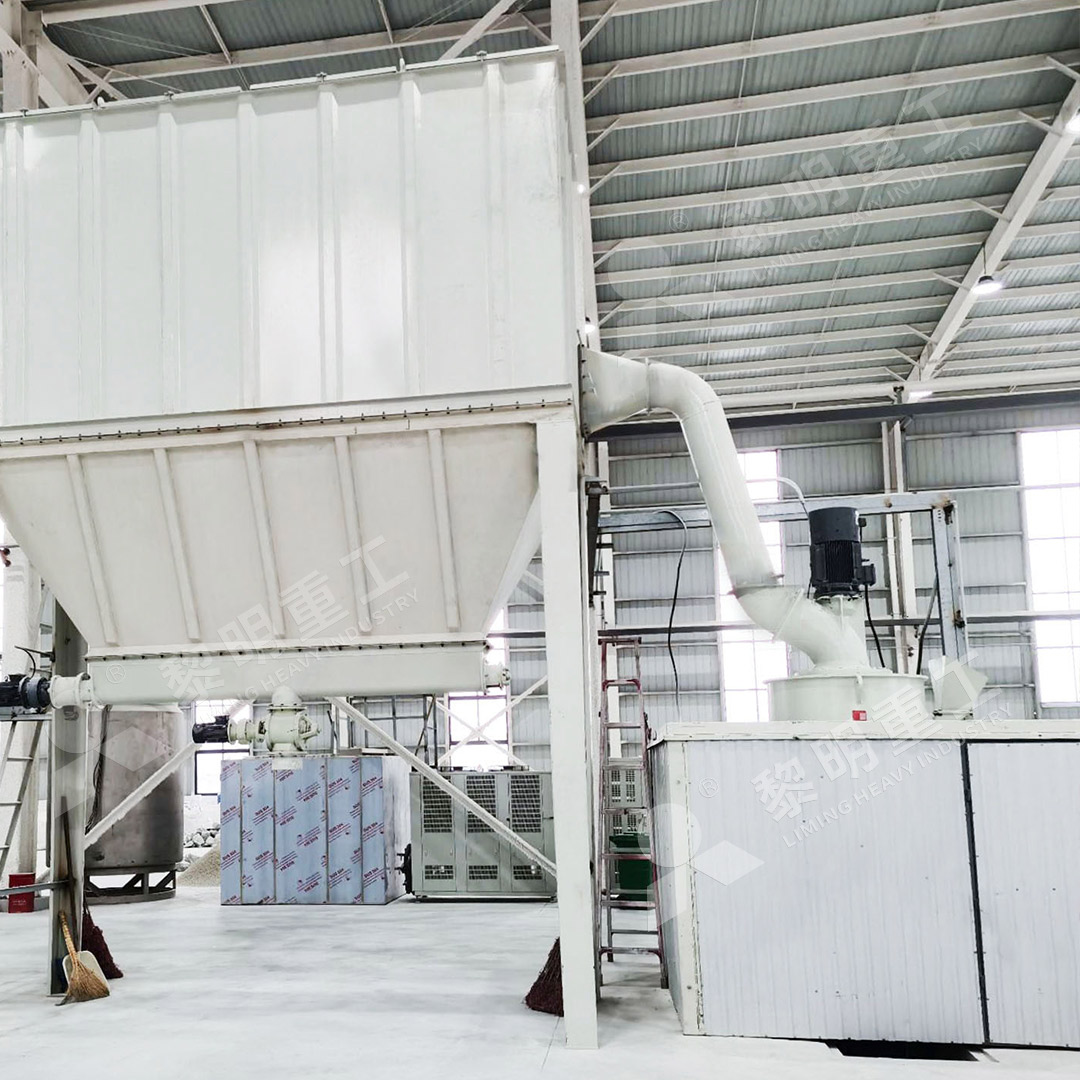
For operations requiring ultra-fine powders (325-2500 meshes) with exceptional efficiency, the MW Ultrafine Grinding Mill presents an ideal solution. Specifically engineered to address the limitations of jet mills and stirred grinding mills, the MW series delivers a remarkable 40% higher production capacity with system energy consumption reduced to just 30% of a comparable jet mill. Its innovative design, featuring a German-technology cage-type powder selector, ensures precise fineness control down to d97≤5μm. A significant operational advantage is the absence of rolling bearings and screws within the grinding chamber, eliminating common failure points and enabling external lubrication without shutdown for true 24/7 operation—a critical feature for Australia’s continuous mining processes. Equipped with an efficient pulse dust collector and silencer, it operates in full compliance with stringent national environmental standards.
Enhancing Large-Scale Operations with LM Vertical Grinding Mills
For larger-scale applications processing materials like slag or coal, the LM Vertical Grinding Mill offers unparalleled integration. It combines crushing, drying, grinding, and classifying in a single unit, reducing its footprint by 50% compared to a traditional ball mill system while saving 30%-40% in energy consumption. Its stable operation under negative pressure ensures a dust-free environment, and the short material lingering time minimizes iron contamination, guaranteeing product purity. This makes it exceptionally suitable for cement plants, power station desulfurization, and large-scale metallurgical operations across Australia.
Frequently Asked Questions (FAQ)
What are the main disadvantages of traditional ball mills?
Traditional ball mills often suffer from high energy consumption, significant noise and vibration, a large physical footprint, and limitations in achieving consistent ultra-fine grinding efficiently.
Why is the MW Ultrafine Grinding Mill considered more efficient?
The MW Mill’s efficiency stems from its newly designed grinding curves, advanced powder selector, and the elimination of internal components like rolling bearings that are prone to failure. This design allows for higher yield at a significantly lower energy cost.
Can these modern mills handle Australian hard ores?
Yes. Mills like the LM Vertical Grinding Mill are built with wear-resistant alloys and feature hydraulic systems that allow adjustment of grinding pressure, making them capable of processing hard and abrasive materials commonly found in Australia.
How do these mills address environmental concerns?
Both the MW and LM mills are equipped with integrated pulse jet dust collectors and noise reduction technologies, ensuring emissions and noise levels are kept well within Australia’s strict environmental protection standards.
Is local technical support and spare parts availability a concern in Australia?
Manufacturers like LIMING provide comprehensive global support networks, including the supply of original spare parts and remote technical services, ensuring worry-free operation even in remote Australian locations.