
Ball Mill Machine Manufacturers Catalog – Industrial Grinding Equipment
We provide a wide range of mills — including Raymond mill, trapezoidal mill, vertical mill, ultrafine mill, and ball mill, obtained ISO9001 international quality certification, EU CE certification, and Customs Union CU-TR certification. Suitable for processing minerals such as limestone, phosphate, quicklime, kaolin, talc, barite, bentonite, calcium carbonate, dolomite, coal, gypsum, clay, carbon black, slag, cement raw materials, cement clinker, and more.
The discharge range of these mills can be adjusted to meet specific processing needs, typically from 80-400 mesh, 600-3250 mesh, and can achieve the finest particle size of up to 6000 mesh(D50).
If you are looking for a reliable grinding solution to turn stone or minerals into fine powder, please feel free to contact our online customer service.
Ball Mill Machine Manufacturers Catalog – Industrial Grinding Equipment
In the world of industrial mineral processing and size reduction, selecting the right grinding equipment is paramount to operational efficiency, cost-effectiveness, and final product quality. While traditional ball mills have long been a staple for coarse grinding, advancements in milling technology have given rise to a new generation of ultrafine and vertical grinding mills that offer superior performance, lower energy consumption, and a smaller environmental footprint.
The Evolution Beyond Traditional Ball Milling
Conventional ball mills, which operate on the principle of impact and attrition as grinding media (balls) cascade inside a rotating cylinder, are effective for a certain range of applications. However, they are often critiqued for their high energy consumption, significant noise levels, and limitations in achieving very fine or ultra-fine particle sizes efficiently. This is where modern grinding solutions from innovative manufacturers truly shine.
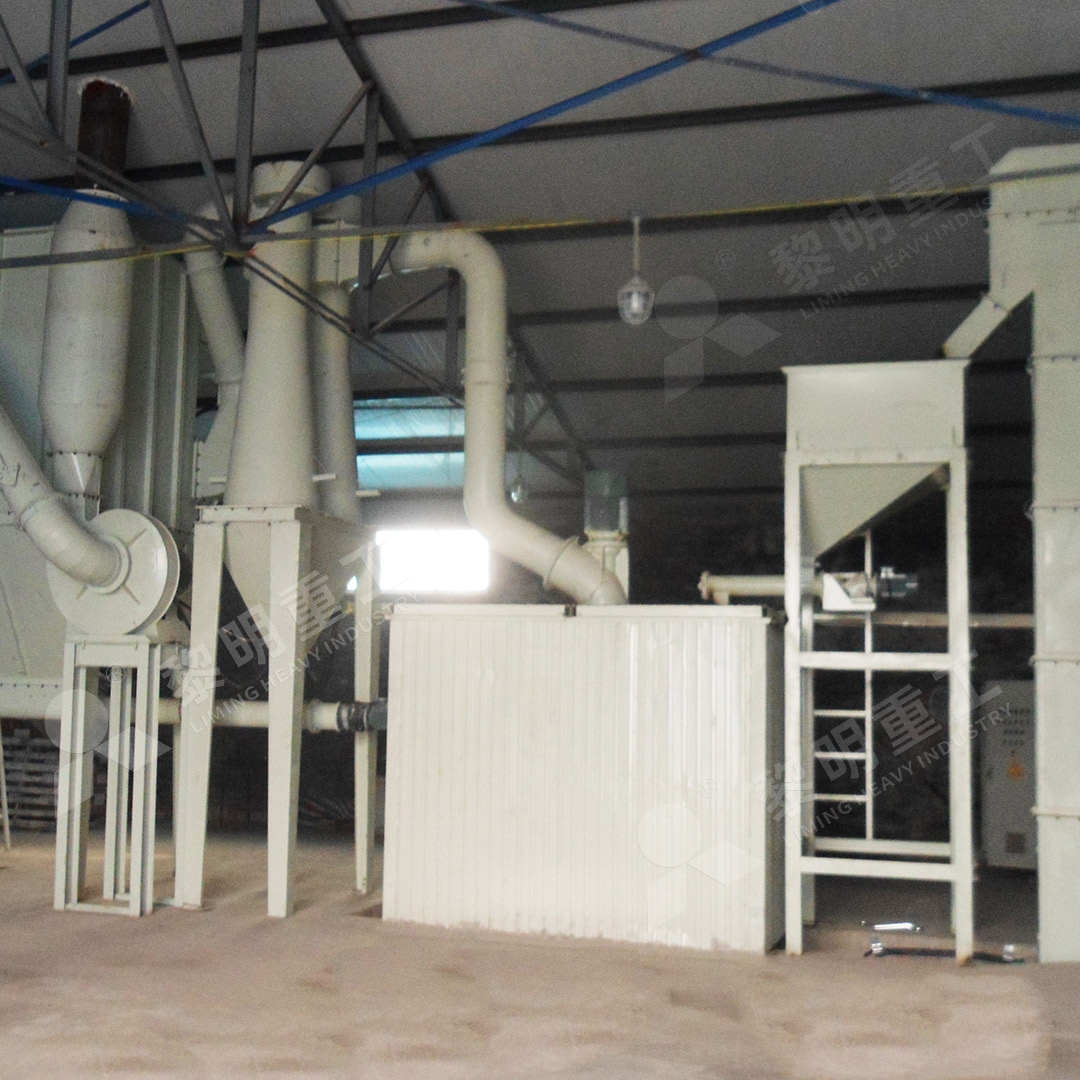
For operations requiring the production of ultra-fine powders, the MW Ultrafine Grinding Mill represents a significant leap forward. Engineered for customers who need to make ultra-fine powder between 325-2500 meshes, this machine adresses the core limitations of older technologies. It’s designed with a higly efficient pulse dust collector and muffler, drastically reducing both dust pollution and noise during operation. A key feature that sets it apart is the absence of rolling bearings and screws within the grinding chamber. This brilliant design eleminates common failure points, freeing users from worries about bearing damage or machine failure due to loose screws. Furthermore, its external lubrication system allows for maintenance without shutdown, enabling continuous 24/7 production. With an input size of 0-20 mm and a capacity ranging from 0.5 to 25 tph, it’s a versatile workhorse for materials like limestone, calcite, dolomite, gypsum, and talc, making it ideal for chemical, paint, cosmetic, and food additive industries.
Embracing Vertical Grinding Technology
The shift towards vertical mill configurations has been a dominant trend, offering a more integrated and efficient approach to grinding. These mills combine crushing, drying, grinding, classifying, and conveying into a single, compact unit, slashing the overall footprint by up to 50% compared to a traditional ball mill system.
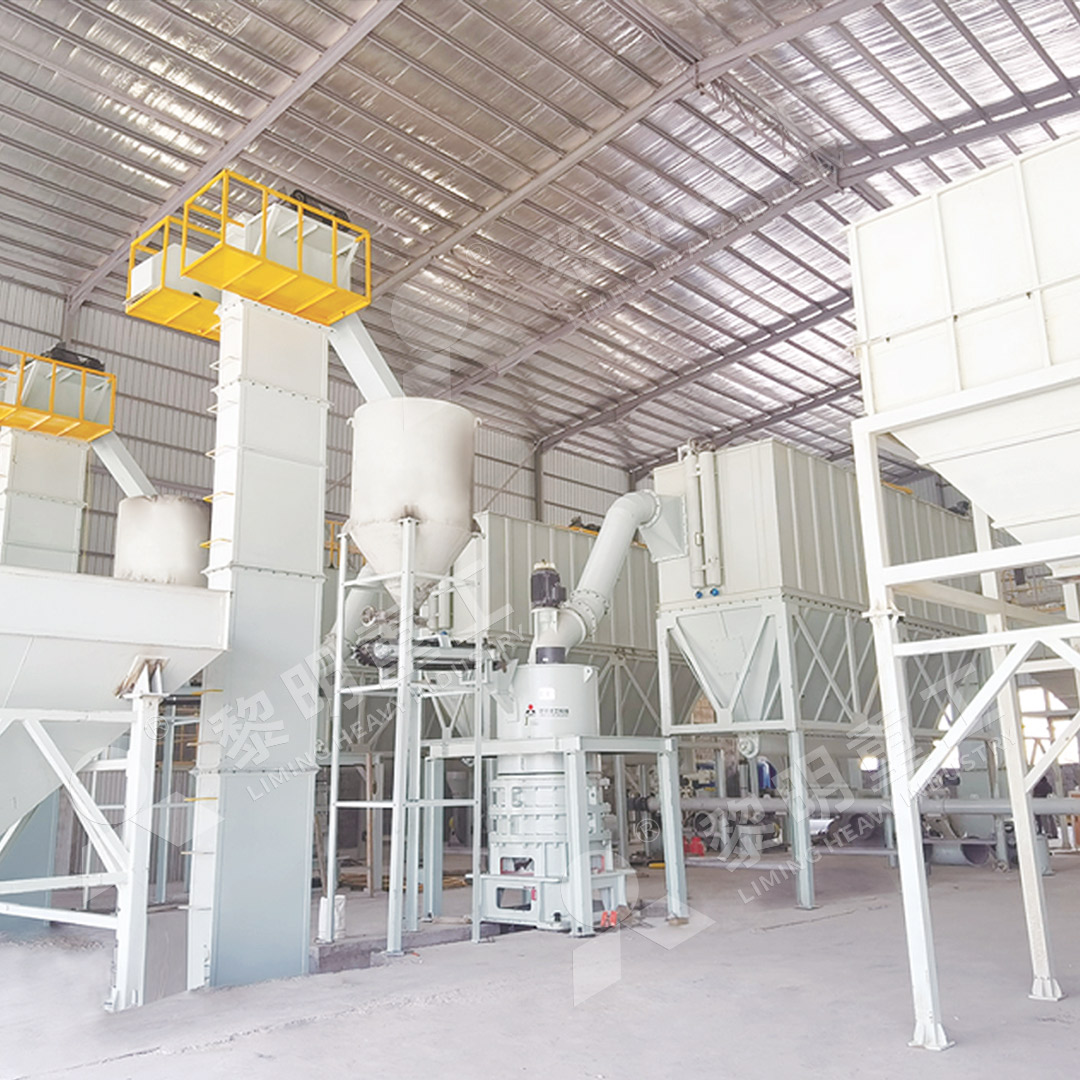
Another standout product in this category is the LUM Ultrafine Vertical Grinding Mill. This mill incorporates the latest grinding roller technology from Taiwan and advanced German powder separating technology. It’s independently designed for superior performance in producing superfine dry powder from non-metal ores. Its unique roller shell and lining plate grinding curve are engineered to easily generate a material layer, enabling a high rate of finished product in a single pass. This not only boosts efficiency but also enhances the whiteness and cleanliness of the final product. Features like PLC control, multi-head powder separating technology, and double position-limiting technology ensure precise control, operational stability, and energy savings of 30%-50%. With a capacity of 5-18 tph for materials up to 10mm, it’s a perfect solution for high-precision grinding needs.
Making the Right Choice for Your Operation
Choosing between a traditional ball mill and a modern ultrafine or vertical mill depends on your specific material, desired fineness, capacity requirements, and operational priorities like energy costs and environmental regulations. While ball mills remain a valid choice for simpler, coarser grinding tasks, the benefits of newer technologies are undeniable for demanding applications.
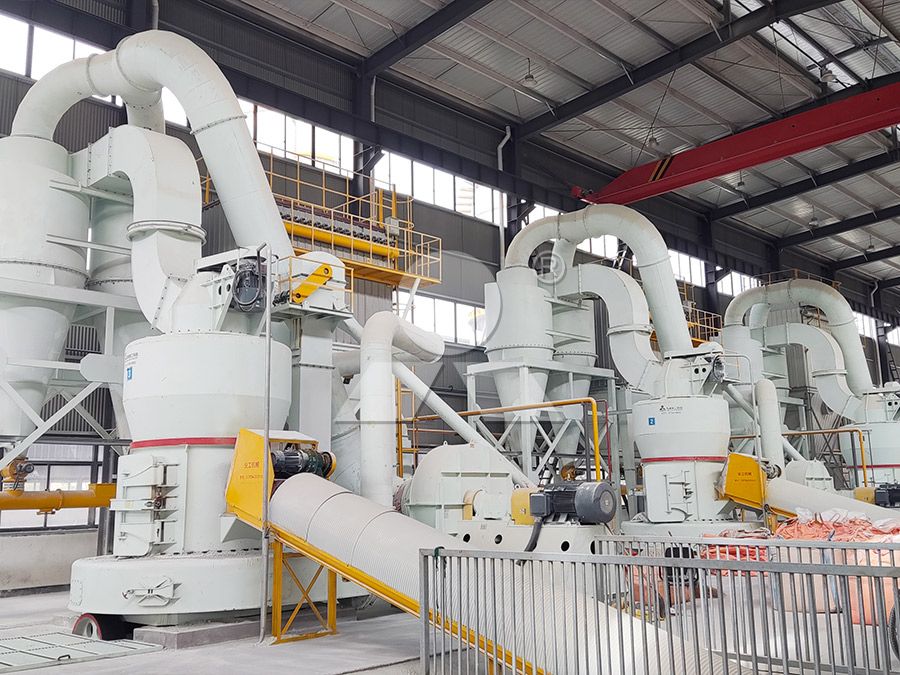
Modern mills from reputable manufacturers are backed by comprehensive technical support and a sufficient supply of genuine spare parts, ensuring worry-free operation and long-term reliability. Their digitalized processing and high-precision machining, especially on core components, guarantee that you are investing in equipment built to last and perform consistently. When evaluating your options, consider the total cost of ownership—factoring in energy use, maintenance downtime, and spare part availability—rather than just the initial investment.
In conclusion, the landscape of industrial grinding equipment has evolved dramatically. By leveraging advanced solutions like the MW Ultrafine Grinding Mill or the LUM Vertical Grinding Mill, operations can achieve higher yields, significantly lower energy consumption, and a more environmentally friendly process, ultimately driving greater profitability and sustainability.