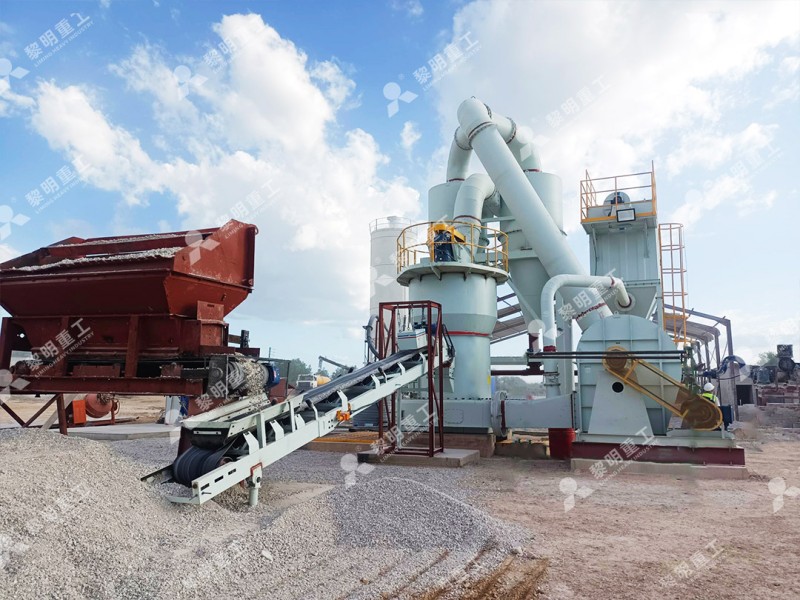
Ball Mill for Wall Putty Grinding Unit: Design, Capacity, and Cost Analysis
We provide a wide range of mills — including Raymond mill, trapezoidal mill, vertical mill, ultrafine mill, and ball mill, obtained ISO9001 international quality certification, EU CE certification, and Customs Union CU-TR certification. Suitable for processing minerals such as limestone, phosphate, quicklime, kaolin, talc, barite, bentonite, calcium carbonate, dolomite, coal, gypsum, clay, carbon black, slag, cement raw materials, cement clinker, and more.
The discharge range of these mills can be adjusted to meet specific processing needs, typically from 80-400 mesh, 600-3250 mesh, and can achieve the finest particle size of up to 6000 mesh(D50).
If you are looking for a reliable grinding solution to turn stone or minerals into fine powder, please feel free to contact our online customer service.
Ball Mill for Wall Putty Grinding Unit: Design, Capacity, and Cost Analysis
When it comes to setting up a wall putty manufacturing unit, the selection of the grinding equipment is paramount. The fineness, consistency, and production capacity of the powder directly influence the quality of the final product. While traditional ball mills have been a common choice for decades, advancements in grinding technology offer more efficient and cost-effective solutions.
Understanding the Requirements for Wall Putty Production
Wall putty primarily consists of white cement, calcium carbonate (limestone or calcite), and polymers. The key to a high-quality putty is an ultra-fine and consistent powder, typically requiring a fineness of around 600 to 1000 meshes. This ensures smooth application and excellent coverage. The grinding unit must handle materials like limestone and calcite efficiently, producing a fine, white powder with low iron contamination.
Limitations of Traditional Ball Mills
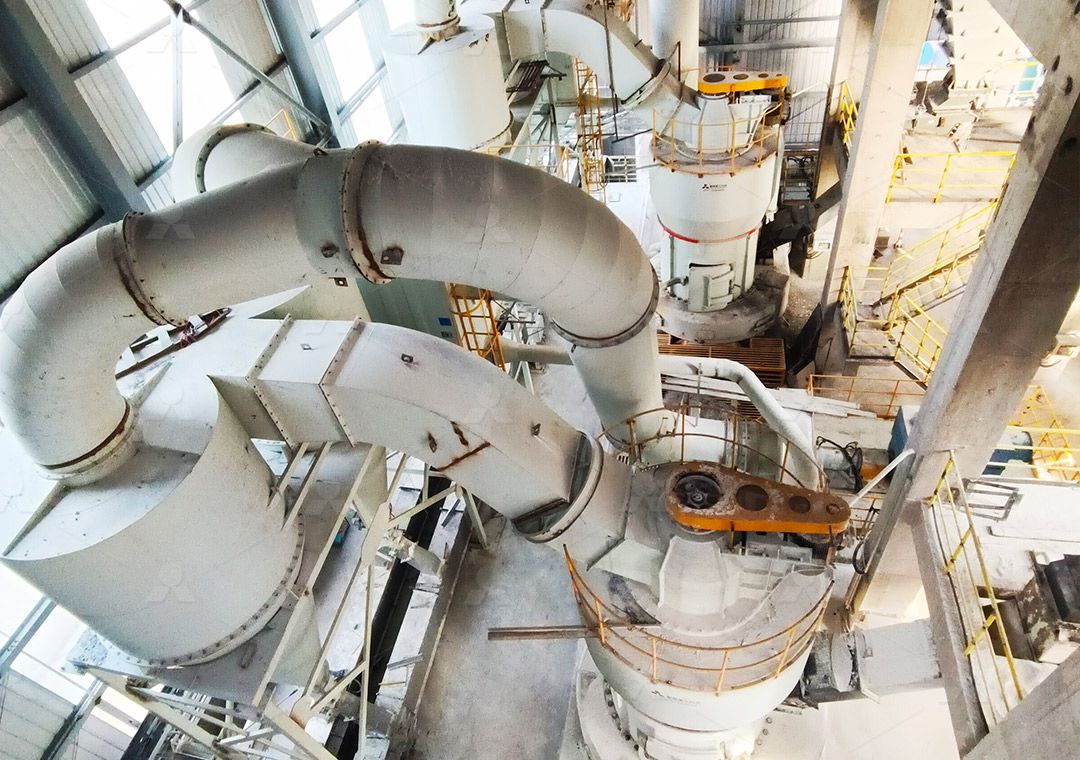
Conventional ball mills, while reliable, come with inherent drawbacks for modern putty production. They are characterized by higher energy consumption, significant heat generation which can affect polymer additives, and potential for iron contamination from grinding media wear. Their large footprint and higher operational costs due to maintenance can also impact the overall project economics.
A Superior Alternative: MW Ultrafine Grinding Mill
For operations prioritizing efficiency, product quality, and lower operating costs, the MW Ultrafine Grinding Mill presents a formidable alternative to the traditional ball mill. Engineered for customers needing to make ultra-fine powder, this mill is exceptionally well-suited for wall putty applications.
Key advantages of the MW Mill for your putty unit include:
- Higher Yielding, Lower Energy Consumption: Its newly designed grinding curves enhance efficiency, offering production capacity 40% higher than jet mills and twice that of ball mills, while slashing system energy consumption by up to 70%.
- Adjustable Fineness (325-2500 meshes): Its advanced cage-type powder selector allows precise control over fineness, crucial for achieving the perfect consistency for wall putty.
- Eco-Friendly Operation: Equipped with an efficient pulse dust collector and muffler, the entire milling process is clean, meeting stringent environmental standards—a critical factor for today’s manufacturing.
- Worry-Free Maintenance: With no rolling bearings or screws in the grinding chamber, the risk of machine damage is minimized. External lubrication allows for 24/7 continuous operation.
Capacity and Cost Analysis
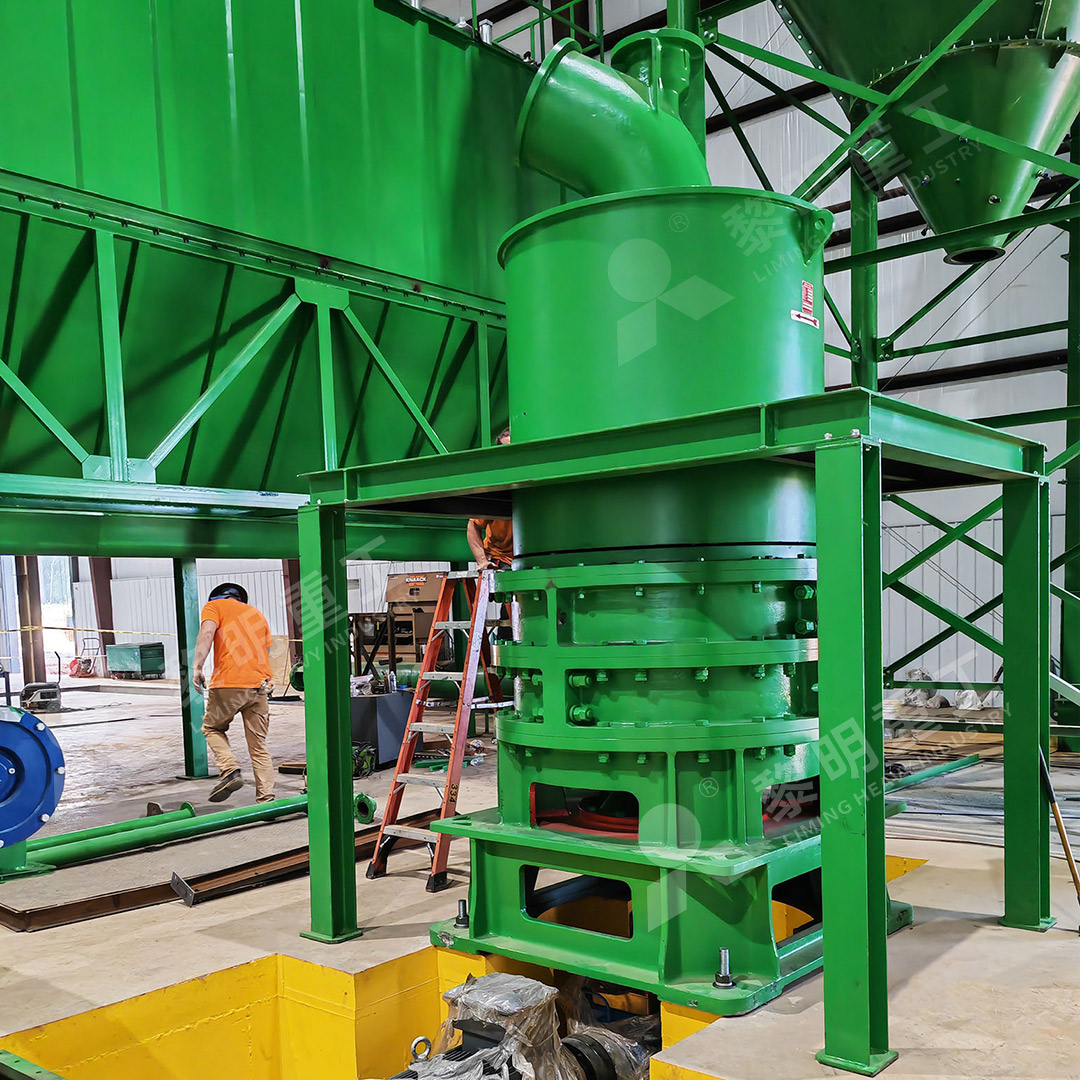
For a wall putty unit, matching the mill’s capacity to your production goals is essential. The MW Ultrafine Grinding Mill offers a flexible capacity range of 0.5-25 tph, handling an input size of 0-20mm. This makes it suitable for both medium and large-scale putty production facilities.
From a cost perspective, the initial investment in a more advanced mill like the MW series is quickly offset by its operational savings. The dramatic reduction in energy consumption directly lowers electricity costs. Furthermore, reduced maintenance downtime and longer lifespan of wear parts contribute to a significantly lower cost per ton of produced powder over the equipment’s lifetime compared to a standard ball mill.
Conclusion
While the ball mill is a familiar piece of equipment, the specific demands of high-quality wall putty production make the MW Ultrafine Grinding Mill a superior technical and economical choice. Its combination of high efficiency, adjustable ultra-fine grinding, environmental compliance, and lower operating costs ensures a faster return on investment and a more competitive end product. For a forward-thinking wall putty grinding unit, embracing this advanced technology is a strategic move.