
Ball Mill for Sale: Efficient Coarse Grinding in Mineral Processing
We provide a wide range of mills — including Raymond mill, trapezoidal mill, vertical mill, ultrafine mill, and ball mill, obtained ISO9001 international quality certification, EU CE certification, and Customs Union CU-TR certification. Suitable for processing minerals such as limestone, phosphate, quicklime, kaolin, talc, barite, bentonite, calcium carbonate, dolomite, coal, gypsum, clay, carbon black, slag, cement raw materials, cement clinker, and more.
The discharge range of these mills can be adjusted to meet specific processing needs, typically from 80-400 mesh, 600-3250 mesh, and can achieve the finest particle size of up to 6000 mesh(D50).
If you are looking for a reliable grinding solution to turn stone or minerals into fine powder, please feel free to contact our online customer service.
Ball Mill for Sale: Efficient Coarse Grinding in Mineral Processing
In the world of mineral processing, the ball mill stands as a cornerstone technology for coarse and intermediate grinding. For decades, this robust and reliable equipment has proven indispensable for reducing hard, abrasive materials to manageable sizes. Its simple yet effective principle of operation—utilizing tumbling steel balls within a rotating cylinder—makes it a versatile solution across numerous industries, from cement production to ore beneficiation.
The Enduring Value of Ball Mill Technology
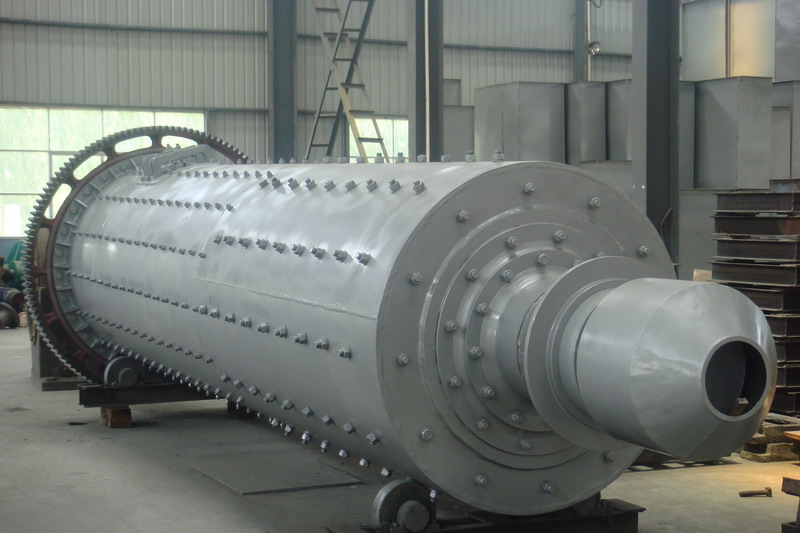
What gives the ball mill its enduring appeal? The answer lies in its straightforward design and proven performance. Capable of handling feed sizes up to 25 mm and achieving capacities ranging from 0.65 to 50 tons per hour, ball mills offer exceptional flexibility. They can grind a wide variety of materials, including cement clinker, ores, coal, and other industrial minerals. The grinding process is relatively simple: materials are fed into a cylindrical shell lined with wear-resistant liners, and the rotation of the shell causes the grinding media (typically steel balls) to cascade and impact the material, reducing it to the desired fineness.
Key Advantages for Industrial Applications
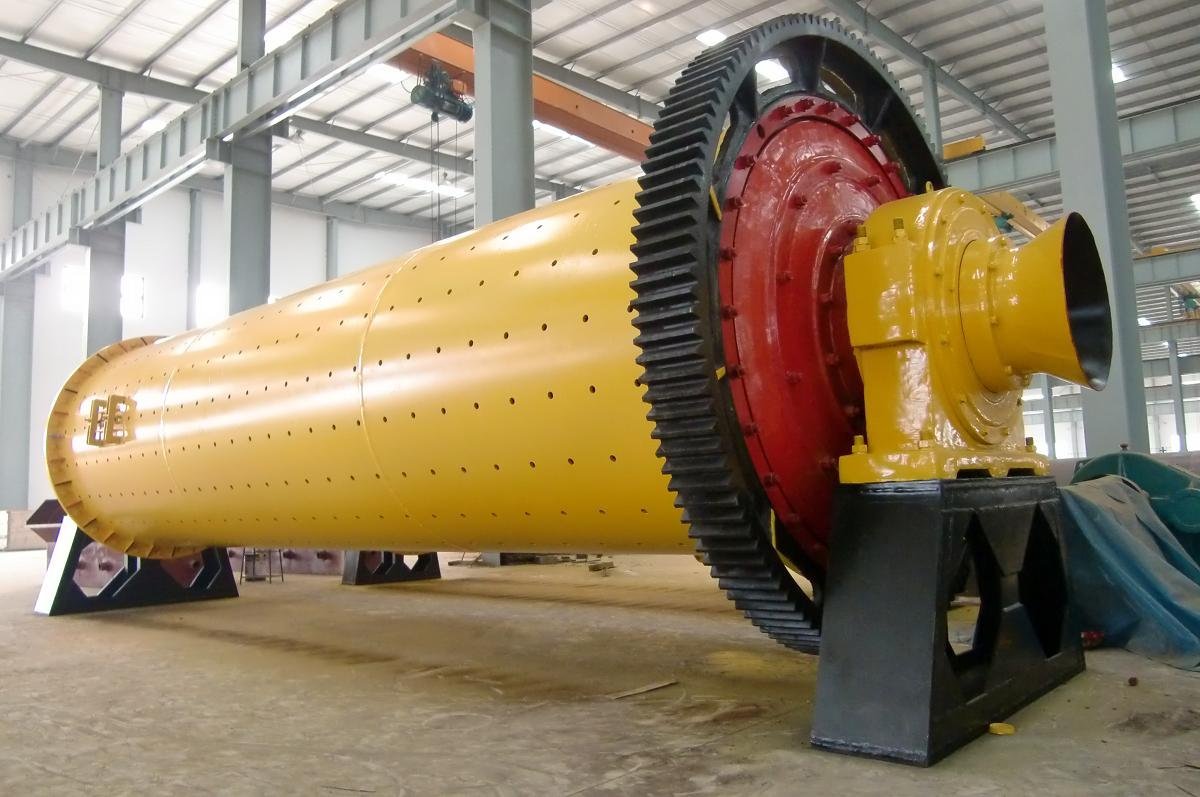
The primary advantages of ball mills include lower initial investment compared to some advanced grinding systems, energy efficiency through optimized design, and a structure that is both novel and easy to operate. Their stable and reliable performance ensures consistent output, which is critical for maintaining production schedules in demanding industrial environments. Safety is another key benefit, with modern ball mills incorporating features that prevent accidental access to moving parts during operation.
When a Ball Mill is the Right Choice
Ball mills are particularly well-suited for applications requiring coarse to medium grinding where product contamination from iron is not a critical concern. They excel in closed-circuit grinding systems with classifiers, where oversized particles are returned for further size reduction. This makes them ideal for the first stage of grinding in many mineral processing flowsheets.
Beyond Coarse Grinding: The Next Step in Processing
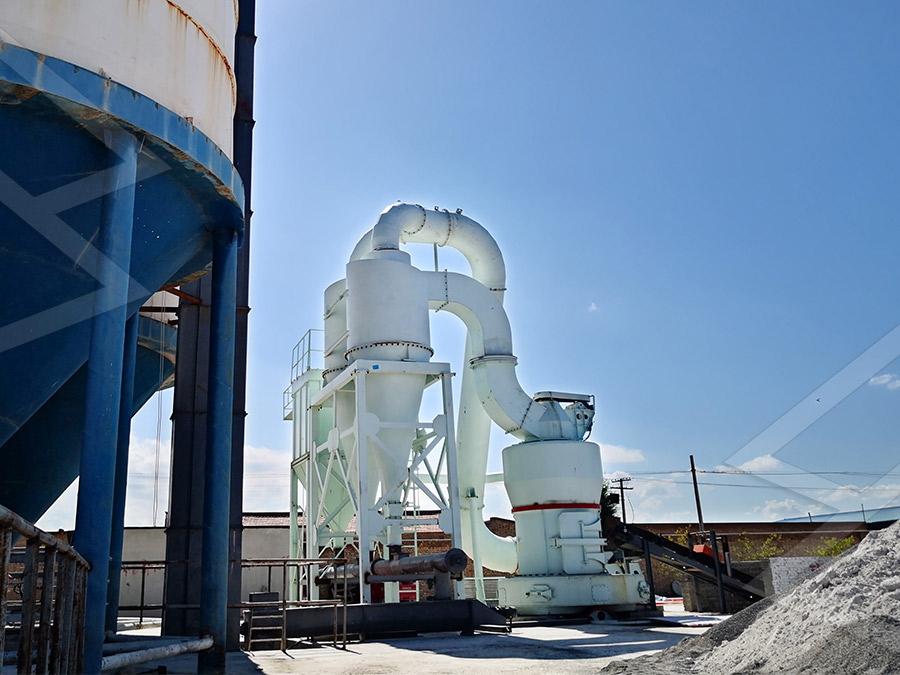
While ball mills are excellent for initial size reduction, many modern applications demand ultra-fine powders. For these requirements, our MW Ultrafine Grinding Mill presents a superior solution. Designed for customers needing to produce ultra-fine powder between 325 and 2500 meshes, the MW Mill achieves a production capacity 40% higher than jet mills and twice that of ball mills for fine grinding, while reducing system energy consumption by 30%. Its innovative design, featuring a cage-type powder selector and an external lubrication system, allows for continuous 24/7 operation with minimal maintenance.
For operations seeking even greater efficiency in a vertical configuration, the LUM Ultrafine Vertical Grinding Mill integrates grinding, grading, and transporting into a single, compact unit. With an input size of 0-10 mm and a capacity of 5-18 tph, it features advanced multi-head powder separating technology and a unique roller shell design that ensures higher yielding rates and better product quality with 30%-50% lower energy consumption.
Conclusion: Selecting the Optimal Grinding Solution
The choice between a ball mill and more advanced grinding systems ultimately depends on your specific material, desired fineness, and production goals. Ball mills remain the workhorse for robust, cost-effective coarse grinding. However, for ultra-fine powder production with higher efficiency and lower operational costs, technologies like the MW and LUM mills offer significant advantages.
Frequently Asked Questions (FAQ)
What is the typical feed size for a ball mill?
Ball mills can typically handle feed sizes up to 25 mm, making them suitable for the primary grinding stage after crushing.
How does the capacity of a ball mill compare to an ultrafine mill?
While ball mills have high capacity for coarse grinding (0.65-50 tph), ultrafine mills like the MW series are designed for higher efficiency and output when producing fine powders, offering up to twice the yield of a ball mill for the same power consumption in fine grinding applications.
What are the main maintenance considerations for a ball mill?
Key maintenance points include monitoring liner and grinding media wear, ensuring proper lubrication of gears and bearings, and checking for any abnormal vibrations or noises during operation.
When should I consider an ultrafine mill over a ball mill?
An ultrafine mill is the better choice when your final product requires a very fine powder (finer than 325 mesh), when energy efficiency is a primary concern, or when you need a more compact grinding system with integrated classification.