
Ball Mill for Quartz Grinding: Top Manufacturers in China
We provide a wide range of mills — including Raymond mill, trapezoidal mill, vertical mill, ultrafine mill, and ball mill, obtained ISO9001 international quality certification, EU CE certification, and Customs Union CU-TR certification. Suitable for processing minerals such as limestone, phosphate, quicklime, kaolin, talc, barite, bentonite, calcium carbonate, dolomite, coal, gypsum, clay, carbon black, slag, cement raw materials, cement clinker, and more.
The discharge range of these mills can be adjusted to meet specific processing needs, typically from 80-400 mesh, 600-3250 mesh, and can achieve the finest particle size of up to 6000 mesh(D50).
If you are looking for a reliable grinding solution to turn stone or minerals into fine powder, please feel free to contact our online customer service.
Ball Mill for Quartz Grinding: Top Manufacturers in China
Quartz grinding is a critical process in numerous industries, from ceramics and glass to electronics and construction. Achieving the desired fineness and purity requires robust and efficient milling equipment. While traditional ball mills have been the workhorse for decades, technological advancements have introduced superior solutions that offer greater efficiency, lower energy consumption, and finer product control. Chinese manufacturers are at the forefront of this innovation, producing some of the world’s most reliable and advanced grinding mills.
The Evolution Beyond Traditional Ball Mills
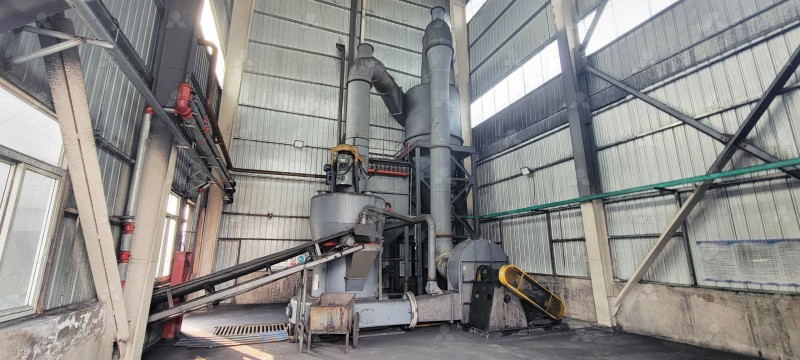
Conventional ball mills, which use steel balls to crush and grind material inside a rotating cylinder, are effective but often come with significant drawbacks. They can be energy-intensive, noisy, and may introduce iron contamination from the grinding media, which is a particular concern for high-purity applications like quartz. This has driven the development of more advanced milling technologies that adress these limitations head-on.
Key Considerations for Quartz Grinding
Selecting the right equipment is paramount. Key factors include:
- Fineness Control: The ability to consistently produce powder within a specific mesh range (e.g., 325 to 2500 meshes).
- Purity: Minimizing iron contamination to maintain the material’s properties.
- Energy Efficiency: Reducing power consumption to lower operational costs.
- Environmental Impact: Containing dust and noise to meet strict环保 (environmental protection) standards.
Leading the Pack: LIMING’s Advanced Grinding Solutions
Among the top manufacturers in China, LIMING Heavy Industry stands out for its commitment to innovation and quality. Their engineers have developed a range of mills that effectively solve the challenges associated with quartz grinding. While they offer robust ball mills, their more advanced designs provide superior performance for demanding applications.
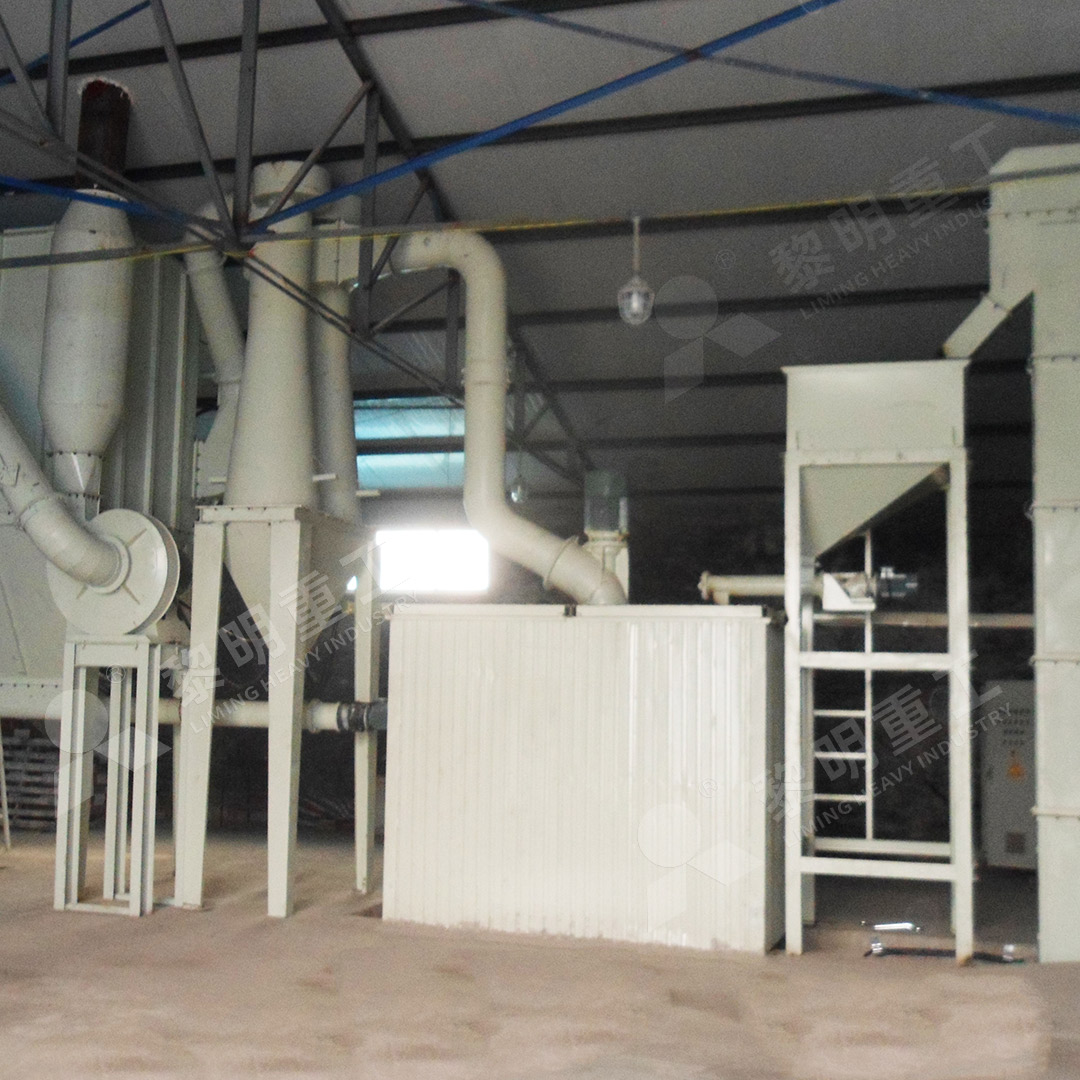
For operations requiring ultra-fine quartz powder, the MW Ultrafine Grinding Mill is an exceptional choice. This machine is specifically engineered for customers who need to make ultra-fine powder without compromises. It handles an input size of 0-20 mm and offers a capacity range of 0.5-25 tph, making it versatile for various production scales.
Why the MW Mill Excels for Quartz
- Superior Fineness: Its cage-type powder selector, incorporating German technology, allows precise adjustment between 325-2500 meshes, achieving a screening rate of d97≤5μm in a single pass.
- Enhanced Purity & Reliability: A groundbreaking design choice is the absence of rolling bearings and screws in the grinding chamber. This eliminates a major source of potential iron contamination and machine failure, ensuring a cleaner product and worry-free operation.
- Eco-Friendly Operation: Equipped with an efficient pulse dust collector and muffler, the entire milling system operates with minimal dust and noise pollution, fully complying with national environmental standards.
- Higher Yield, Lower Energy: Its newly designed grinding curves enhance efficiency, providing 40% higher capacity than jet mills and twice the yield of ball mills, all while consuming 30% less energy.
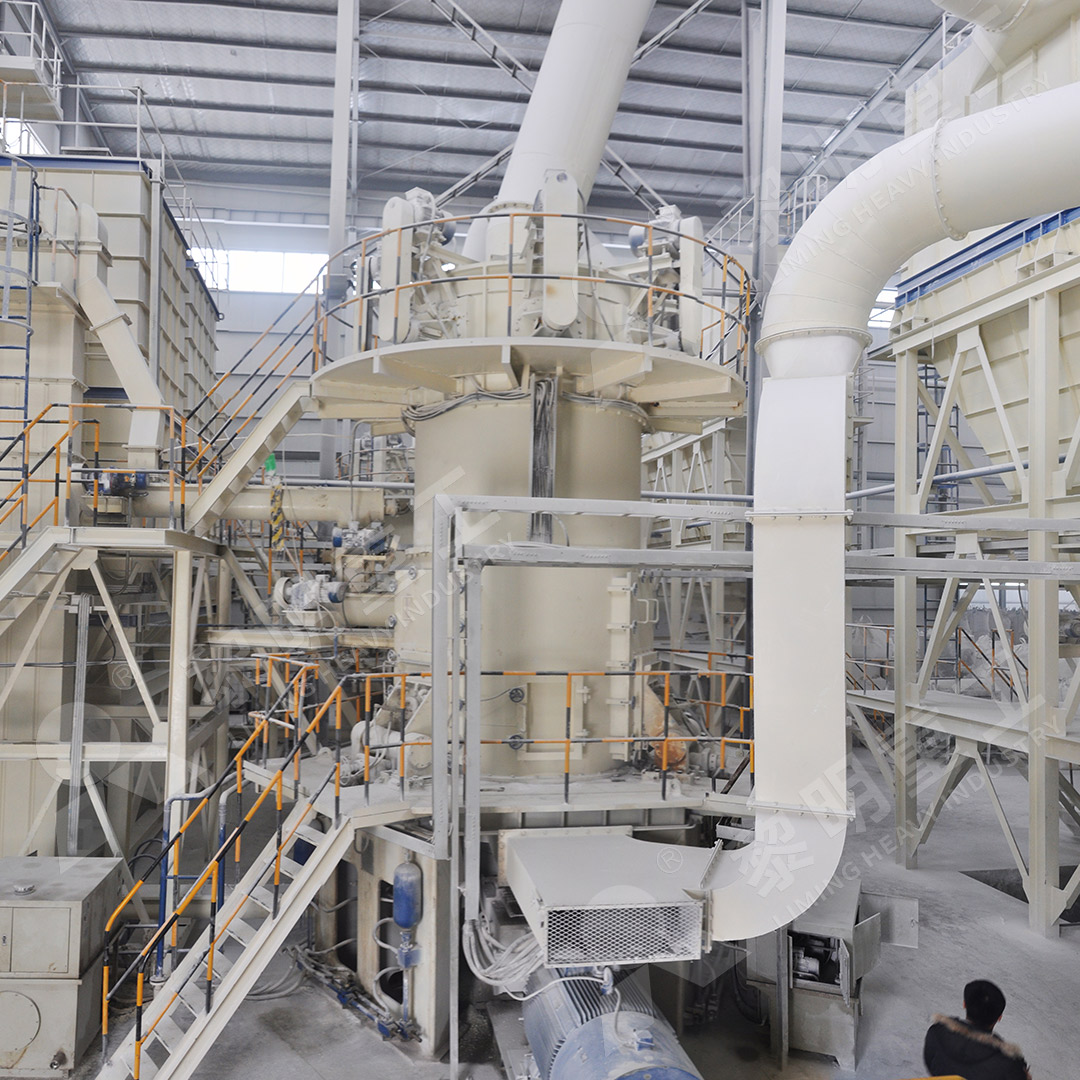
For larger scale production needs, another standout product is the LUM Ultrafine Vertical Grinding Mill. It integrates the latest roller and powder separating technologies from Taiwan and Germany, offering capacities from 5-18 tph. Its unique roller shell design promotes easier material layer formation and achieves a high rate of finished product in a single pass, greatly enhancing efficiency and the whiteness of the quartz powder.
Conclusion
The landscape of quartz grinding is evolving. While Chinese manufacturers produce high-quality ball mills, the future lies in advanced, integrated systems like the MW and LUM series from LIMING. These mills offer a compelling combination of precision, efficiency, purity, and environmental responsibility. For any operation serious about optimizing its quartz grinding process, investing in this next generation of technology is not just an option—it’s a strategic advantage.