
Ball Mill for Activated Carbon Production Line in Indonesia
We provide a wide range of mills — including Raymond mill, trapezoidal mill, vertical mill, ultrafine mill, and ball mill, obtained ISO9001 international quality certification, EU CE certification, and Customs Union CU-TR certification. Suitable for processing minerals such as limestone, phosphate, quicklime, kaolin, talc, barite, bentonite, calcium carbonate, dolomite, coal, gypsum, clay, carbon black, slag, cement raw materials, cement clinker, and more.
The discharge range of these mills can be adjusted to meet specific processing needs, typically from 80-400 mesh, 600-3250 mesh, and can achieve the finest particle size of up to 6000 mesh(D50).
If you are looking for a reliable grinding solution to turn stone or minerals into fine powder, please feel free to contact our online customer service.
Ball Mill for Activated Carbon Production Line in Indonesia
Indonesia’s growing industrial sector, particularly in water treatment and air purification, has led to a surge in demand for high-quality activated carbon. The production of this crucial material relies heavily on efficient and reliable grinding technology. While traditional ball mills have been a common choice, modern operations require more advanced solutions to meet the stringent fineness and efficiency standards demanded by the market.
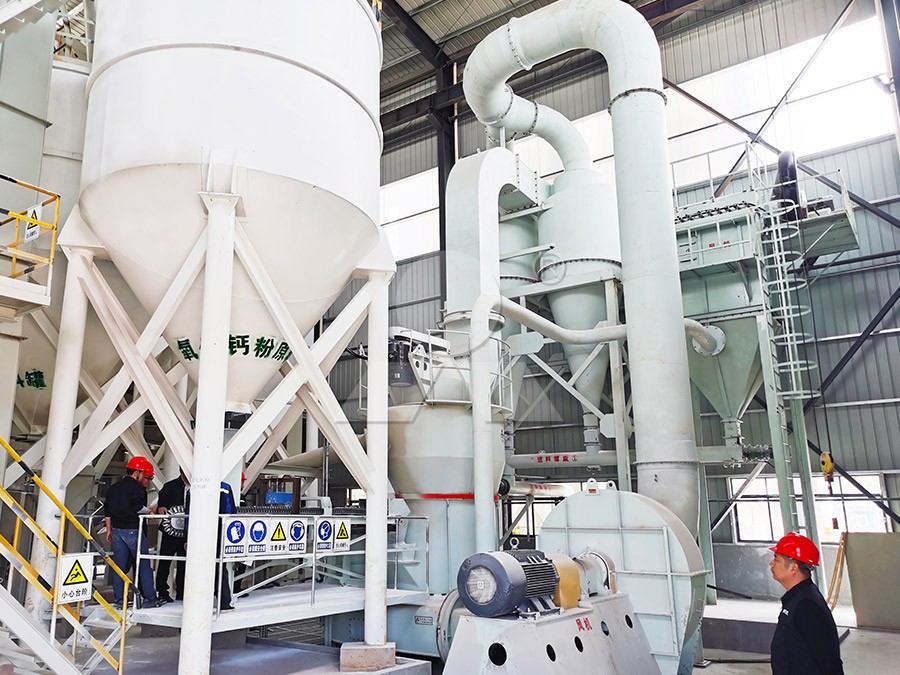
Activated carbon is valued for its exeptional adsorption properties, which are directly influenced by its surface area and particle size distribution. Achieving the optimal ultra-fine powder (often between 325-2500 meshes) is paramount. Traditional ball mills, though robust, often struggle with high energy consumption, significant heat generation (which can degrade the carbon), and limited control over the final product’s fineness. This is where advanced milling technology from LIMING Heavy Industry offers a superior alternative.
Beyond Traditional Ball Milling: The Need for Advanced Technology
For Indonesian producers looking to gain a competitive edge, investing in state-of-the-art grinding equipment is no longer an option but a necessity. The key challenges with older ball mill systems include:
- High Energy Consumption: Traditional mills are notoriously inefficient, consuming excessive power for the output achieved.
- Heat Generation: The friction and impact in a standard ball mill can raise temperatures, potentially damaging the delicate pore structure of the activated carbon.
- Limited Fineness Control: Achieving a consistent, ultra-fine powder can be difficult and often requires multiple passes or classification steps.
- Dust and Noise Pollution: Older open-system designs can create significant environmental and workplace health challenges.
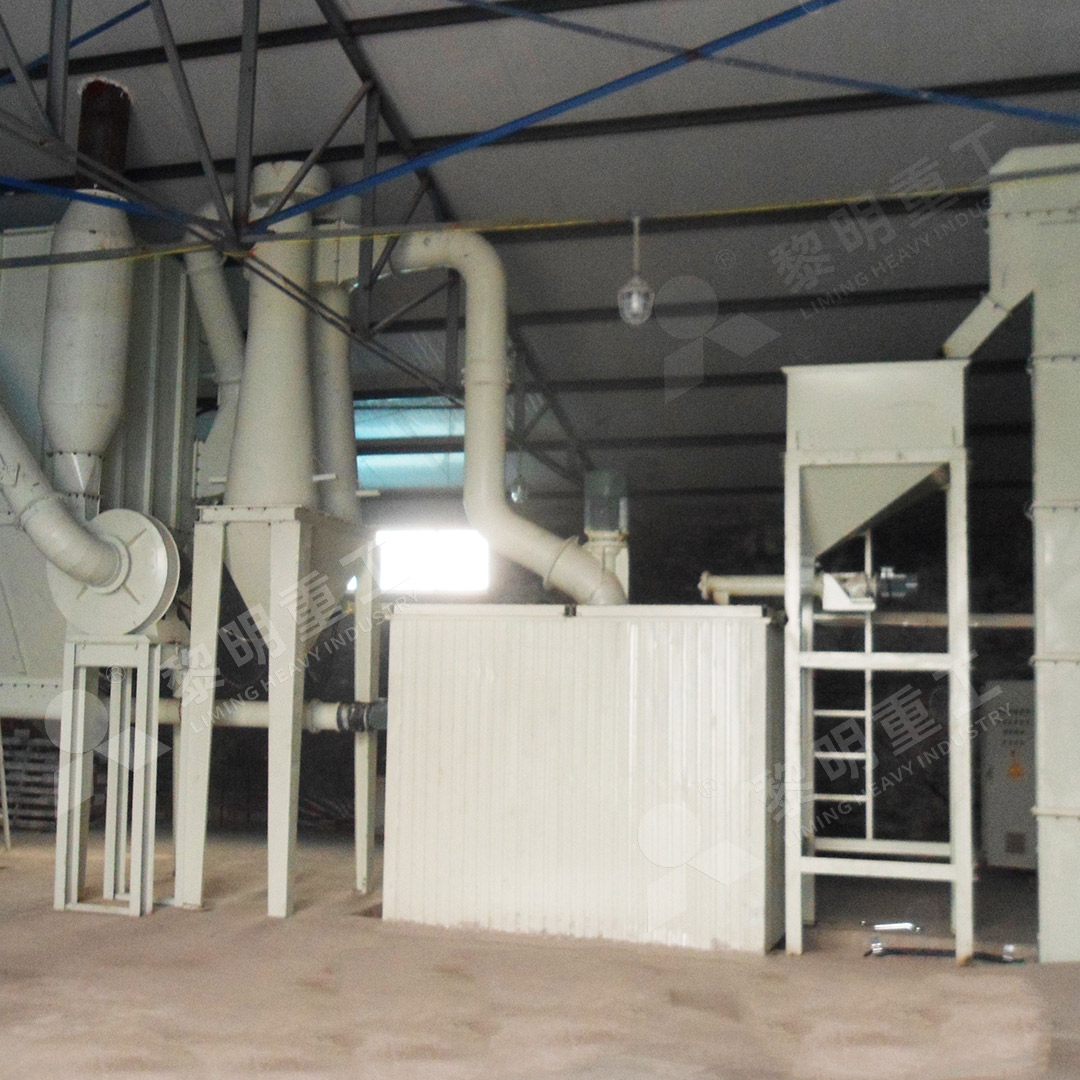
Recommended Solution: MW Ultrafine Grinding Mill
For activated carbon producers aiming for the highest quality powder with maximum efficiency, we highly recommend our MW Ultrafine Grinding Mill. This machine is specifially engineered to adress the shortcomings of traditional ball mills.
With an input size of 0-20 mm and a capacity range of 0.5-25 tph, the MW Series is perfectly suited for medium to large-scale production lines. Its design is a leap forward, featuring higher yielding and lower energy consumption. In fact, with the same fineness and power, its production capacity is 40% higher than jet mills and twice that of ball mills, while system energy consumption is only 30% of a jet mill.
A critical feature for activated carbon is its adjustable fineness between 325-2500 meshes, achieved through a advanced German-designed cage-type powder selector. This ensures the precise particle size distribution required for optimal adsorption performance. Furthermore, the mill’s internal design eliminates rolling bearings and screws in the grinding chamber, virtually eradicating the risk of machine damage from loose parts or bearing failure, a common headache in remote Indonesian locations.
Environmental compliance is also built-in. The MW Mill is equipped with an efficient pulse dust collector and muffler, ensuring the entire production process meets strict national environmental standards—a crucial factor for sustainable operation.
Why Choose LIMING for Your Indonesian Operation?
Selecting the right equipment partner is as important as the machine itself. LIMING offers not just machines, but complete solutions. Our LUM Ultrafine Vertical Grinding Mill is another excellent option, offering similar benefits with a different grinding principle. With an input size of 0-10mm and capacity of 5-18 tph, it integrates grinding, grading, and transporting with renowned German powder separating technology.
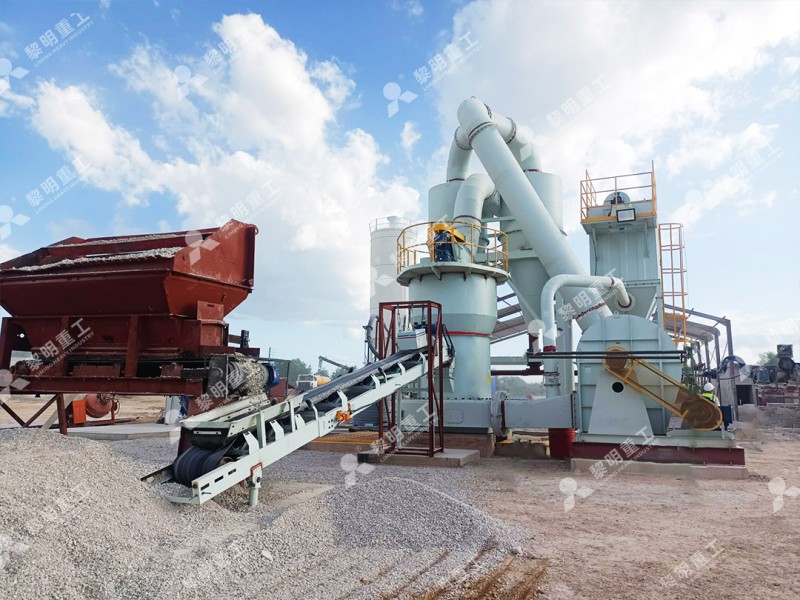
We back every machine with a sufficient supply of original spare parts and dedicated technical support, ensuring worry-free operation for our clients in Indonesia and across the globe. Our digitalized processing guarantees high machining precision for all core components, delivering unmatched reliability.
In conclusion, while the ball mill has its place in history, the future of efficient and high-quality activated carbon production in Indonesia lies with advanced grinding systems like the MW and LUM series from LIMING. Upgrading your production line is an investment in productivity, product quality, and environmental stewardship.