
Ball Mill Design and Performance Calculation: A Comprehensive Guide to All Process Parameters
We provide a wide range of mills — including Raymond mill, trapezoidal mill, vertical mill, ultrafine mill, and ball mill, obtained ISO9001 international quality certification, EU CE certification, and Customs Union CU-TR certification. Suitable for processing minerals such as limestone, phosphate, quicklime, kaolin, talc, barite, bentonite, calcium carbonate, dolomite, coal, gypsum, clay, carbon black, slag, cement raw materials, cement clinker, and more.
The discharge range of these mills can be adjusted to meet specific processing needs, typically from 80-400 mesh, 600-3250 mesh, and can achieve the finest particle size of up to 6000 mesh(D50).
If you are looking for a reliable grinding solution to turn stone or minerals into fine powder, please feel free to contact our online customer service.
Introduction
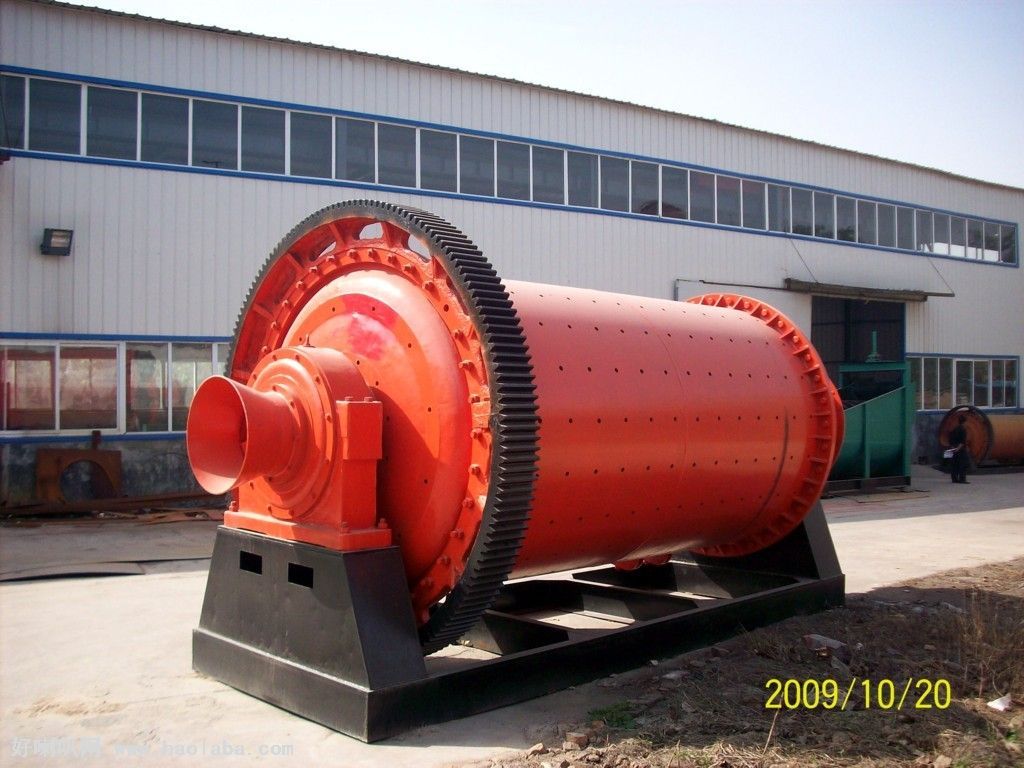
Ball mills are indispensable equipment in mineral processing, cement production, and chemical industries. Their design and performance parameters directly impact grinding efficiency, energy consumption, and product quality. This guide explores key factors in ball mill optimization, with insights into advanced alternatives like our MW Ultrafine Grinding Mill for specialized applications.
Critical Design Parameters
1. Rotation Speed: The ratio of actual speed to critical speed (Nc) determines grinding action. Typically operated at 65-80% of Nc.
2. Loading Capacity: Optimal charge volume is 30-45% of total mill volume, with 40% being industry standard.
3. Media Selection: Steel balls (Φ20-150mm) remain dominant, but ceramic and high-chrome alternatives reduce contamination.
Performance Calculations
The Bond Work Index (Wi) remains fundamental for energy estimation:
W = 10 × Wi × (1/√P80 – 1/√F80)
Where P80 and F80 represent product and feed sizes passing 80%.
Advanced Alternatives: MW Ultrafine Grinding Mill
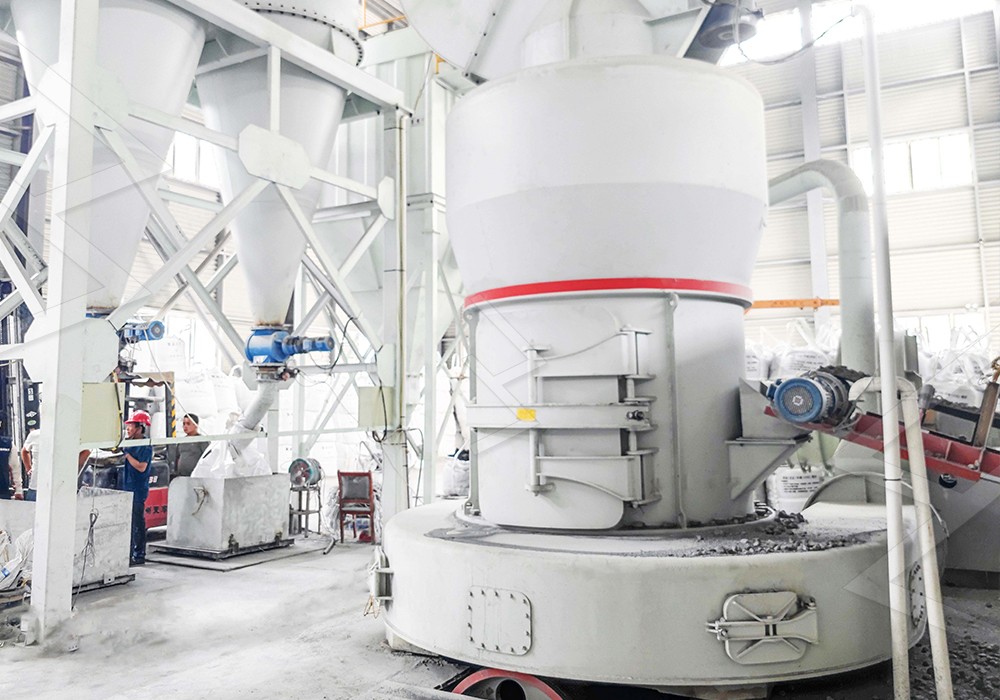
For applications requiring ultra-fine powders (325-2500 mesh), our MW Ultrafine Grinding Mill outperforms traditional ball mills with:
- 40% higher capacity than jet mills
- 30% lower energy consumption
- Integrated dust collection (d97≤5μm)
Key advantages include German-designed cage-type powder selectors and external lubrication systems enabling 24/7 operation. Ideal for cosmetics, pharmaceuticals, and high-purity mineral processing.
Case Study: Limestone Processing
A comparative analysis showed:
| Parameter | Ball Mill | MW Mill |
|---|---|---|
| Energy Use | 45 kWh/t | 28 kWh/t |
| Output (325mesh) | 8 tph | 18 tph |
| Noise Level | 85 dB | <75 dB |
Maintenance Considerations
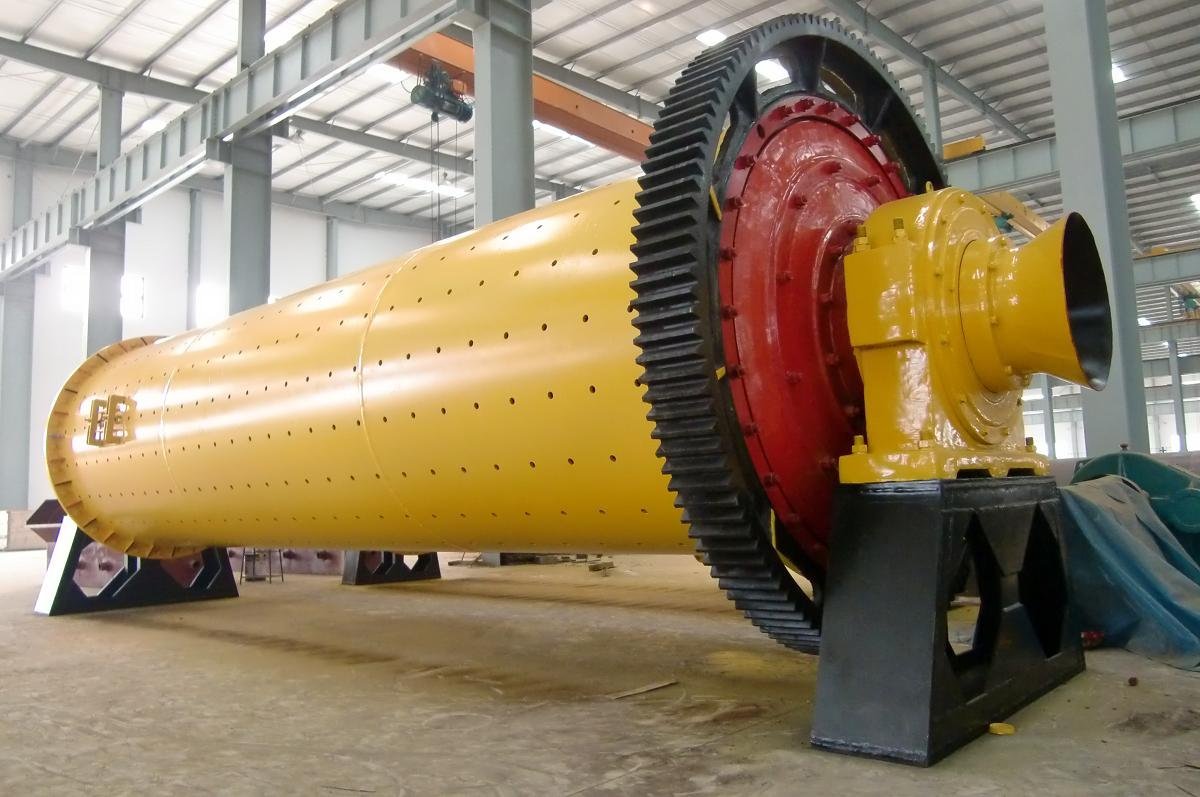
Ball mills require frequent bearing inspections and liner replacements. Our LUM Ultrafine Vertical Grinding Mill addresses these challenges with reversible roller structures and hydraulic adjustment systems, reducing downtime by up to 60%.
Future Trends
Digital twin technology and AI-driven process optimization are transforming mill operations. LIMING’s IoT-enabled mills now feature real-time pressure monitoring and automated fineness adjustment.