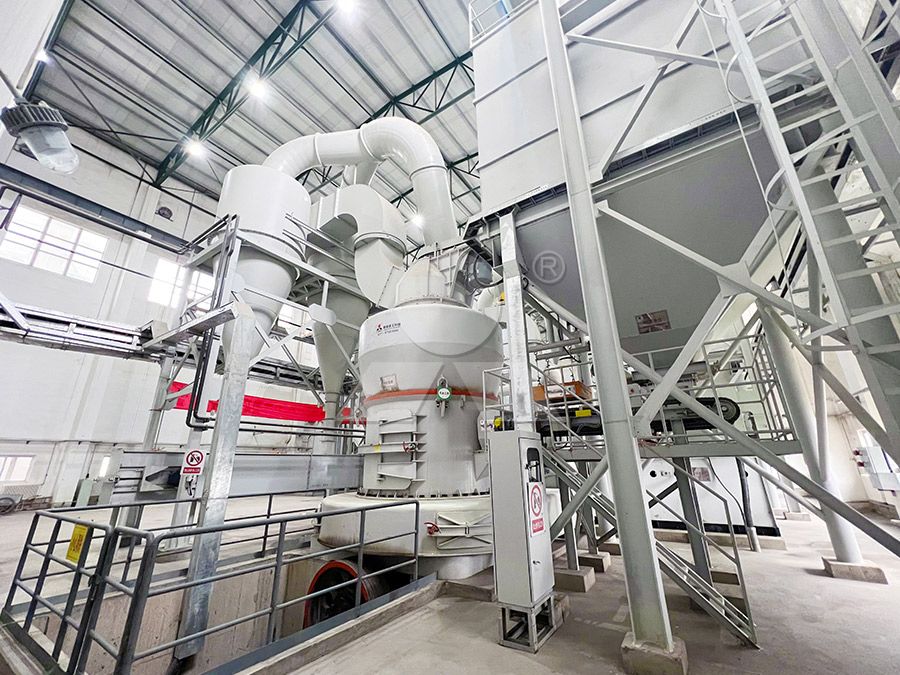
Ball Mill Coal Grinding System Flow Chart Explained | Process & Diagram
We provide a wide range of mills — including Raymond mill, trapezoidal mill, vertical mill, ultrafine mill, and ball mill, obtained ISO9001 international quality certification, EU CE certification, and Customs Union CU-TR certification. Suitable for processing minerals such as limestone, phosphate, quicklime, kaolin, talc, barite, bentonite, calcium carbonate, dolomite, coal, gypsum, clay, carbon black, slag, cement raw materials, cement clinker, and more.
The discharge range of these mills can be adjusted to meet specific processing needs, typically from 80-400 mesh, 600-3250 mesh, and can achieve the finest particle size of up to 6000 mesh(D50).
If you are looking for a reliable grinding solution to turn stone or minerals into fine powder, please feel free to contact our online customer service.
Ball Mill Coal Grinding System Flow Chart Explained
Coal grinding is a critical operation in many industrial processes, particularly in power generation and cement production. The ball mill has long been a workhorse for this task, offering reliability and a proven track record. Understanding the flow and operation of a ball mill coal grinding system is essential for optimizing performance and efficiency.
Typical Ball Mill Coal Grinding System Flow
A standard closed-circuit ball mill system for coal involves several key stages:
- Raw Coal Feed: Sized coal (<25mm) is fed from a bunker via a weigh feeder or screw conveyor into the ball mill.
- Grinding: Inside the rotating mill, steel balls crush and pulverize the coal through impact and attrition.
- Drying: Hot air (typically from a gas heater or pre-heated from another process) is introduced to dry the coal during grinding, crucial for handling material with any moisture content.
- Classification: The coal-air mixture exits the mill and enters a dynamic classifier (e.g., a cyclone or vortex separator). Here, oversized particles are rejected and returned to the mill inlet for further grinding.
- Product Collection: The fine,合格 coal powder is separated from the air stream in a baghouse or electrostatic precipitator and conveyed to storage silos for use as fuel.
- Air Recirculation: The cleaned air is often recirculated back to the mill inlet by a fan to maintain system efficiency and temperature.
Key Considerations & Limitations
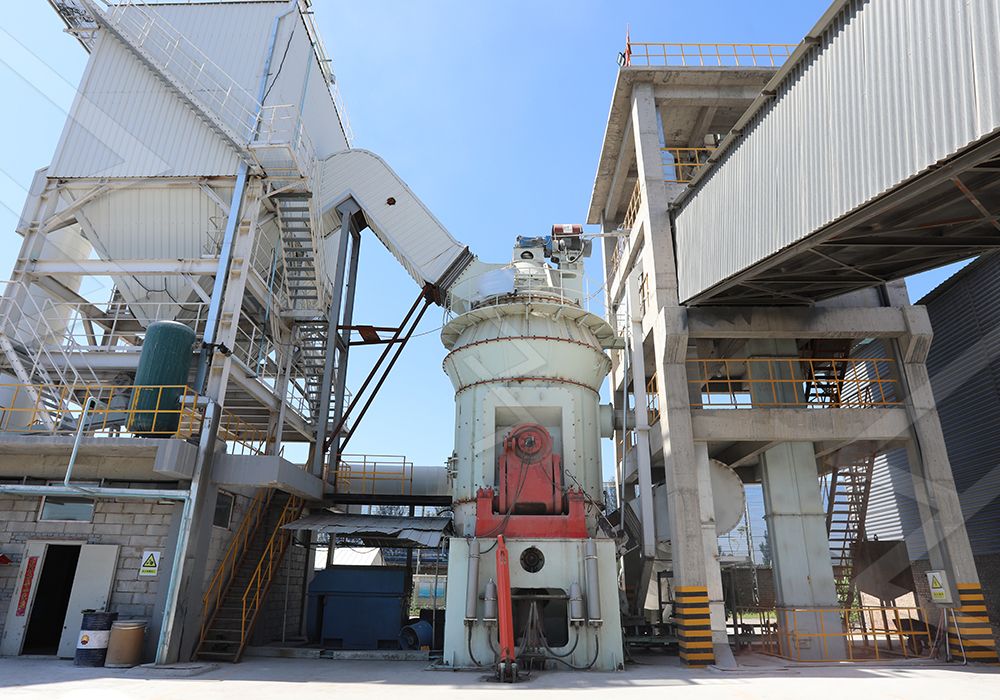
While robust, traditional ball mill systems have inherent drawbacks. They are inherently energy-intensive, with a significant portion of energy lost as heat and noise. System wear is high due to the metal-on-metal contact of balls and liners, leading to maintenance downtime and iron contamination in the product. Achieving a very fine, consistent grind can also be challenging and inefficient.
Modern Alternatives for Superior Performance
For operations seeking higher efficiency, lower energy consumption, and finer product quality, vertical roller mills (VRMs) have become the industry standard. However, for applications demanding ultra-fine pulverized coal, a specialized solution is often required.
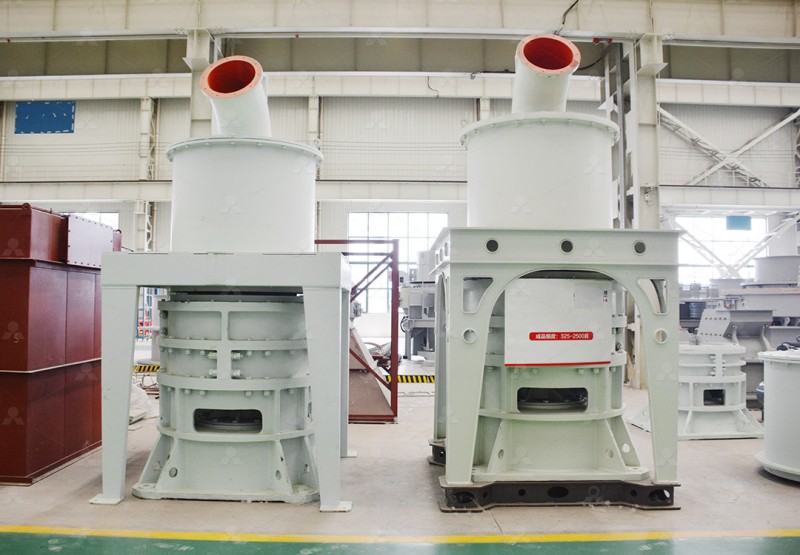
For these demanding scenarios, we highly recommend considering our MW Ultrafine Grinding Mill. This machine is specifically engineered for customers who need to make ultra-fine powder from materials like petroleum coal. With an input size of 0-20 mm and a capacity range of 0.5-25 tph, it’s perfectly suited for precision coal grinding. A key advantage is its design: there are no rolling bearings or screws in the grinding chamber, eliminating worries about bearing failures or loose screws causing machine damage. Furthermore, it’s equipped with an efficient pulse dust collector and muffler, making the entire production process more environmentally friendly with reduced dust and noise pollution. The fineness can be precisely adjusted between 325-2500 meshes, ensuring you get the exact product specification you need.
Conclusion
Understanding the flow and components of a coal grinding system is the first step toward optimization. While the ball mill is a capable technology, evaluating modern alternatives like vertical mills or specialized ultrafine grinders can lead to substantial gains in efficiency, product quality, and operational cost. Selecting the right equipment, such as our MW Ultrafine Grinding Mill for superfine requirements, is crucial for building a competitive and sustainable operation.