Ball Mill Circuit Operation Simulation: Optimizing Grinding Efficiency and Throughput
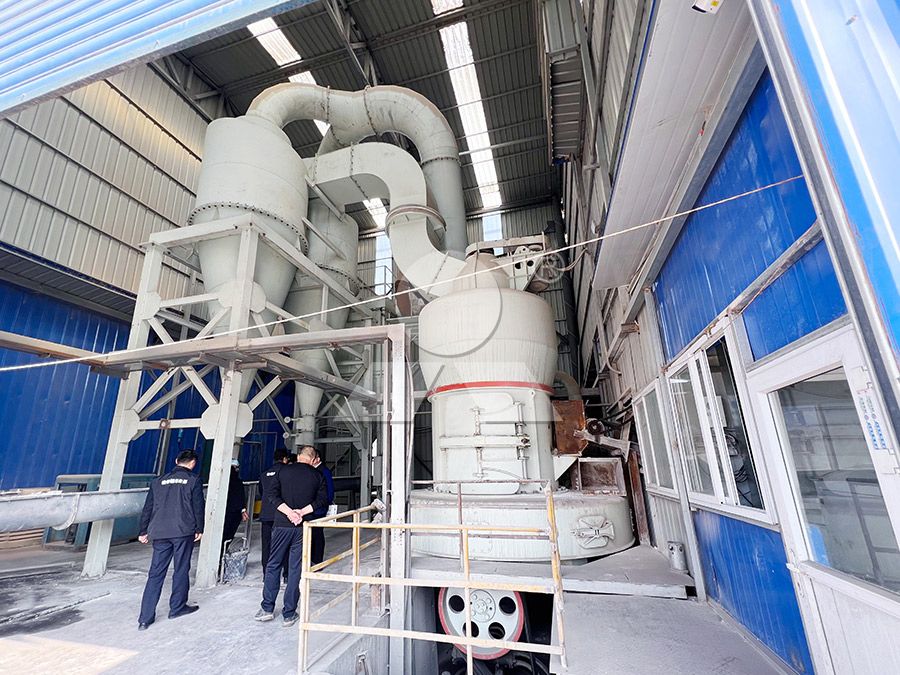
We provide a wide range of mills — including Raymond mill, trapezoidal mill, vertical mill, ultrafine mill, and ball mill, obtained ISO9001 international quality certification, EU CE certification, and Customs Union CU-TR certification. Suitable for processing minerals such as limestone, phosphate, quicklime, kaolin, talc, barite, bentonite, calcium carbonate, dolomite, coal, gypsum, clay, carbon black, slag, cement raw materials, cement clinker, and more.
The discharge range of these mills can be adjusted to meet specific processing needs, typically from 80-400 mesh, 600-3250 mesh, and can achieve the finest particle size of up to 6000 mesh(D50).
If you are looking for a reliable grinding solution to turn stone or minerals into fine powder, please feel free to contact our online customer service.
Ball Mill Circuit Operation Simulation: Optimizing Grinding Efficiency and Throughput
In the world of mineral processing and size reduction, the ball mill remains a cornerstone technology. However, operating a ball mill circuit at peak efficiency is a complex task, often involving a delicate balance between grind size, throughput, and energy consumption. This is where advanced simulation and the integration of modern grinding technologies come into play, offering pathways to significant optimization.
Simulating a ball mill circuit allows engineers to model and predict the behavior of the entire grinding system without the cost and risk of physical trials. By inputting variables such as feed size, ore hardness, mill speed, ball charge, and classifier settings, operators can virtually test different scenarios. This helps in identifying the optimal operating parameters to maximize throughput while achieving the desired product fineness and minimizing specific energy consumption—a critical factor given that grinding can account for a substantial portion of a plant’s operating costs.
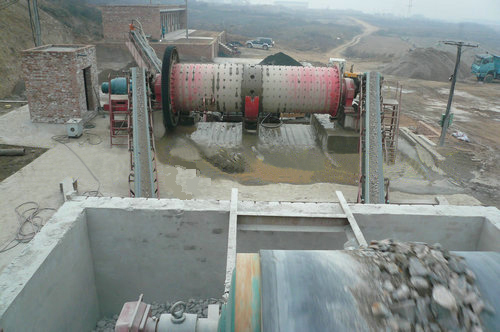
Key areas where simulation provides invaluable insights include:
- Predicting Particle Size Distribution: Accurate models can forecast the output PSD, ensuring it meets downstream process requirements.
- Optimizing Ball Size and Charge: Simulations help determine the ideal ball size distribution and charge volume for efficient breakage of the specific ore.
- Classifier Efficiency: Modeling the classification step (e.g., with a hydrocyclone or air separator) is crucial, as it controls the amount of coarse material returned for regrinding, directly impacting circuit efficiency.
- Energy Usage Analysis: Identifying conditions that lead to high energy use per ton of product, allowing for adjustments that reduce the carbon footprint and cost.
While ball mills are incredibly versatile, certain applications, particularly those requiring ultra-fine powders, demand even more efficient technology. For operations looking to push beyond the limitations of traditional ball milling, especially in achieving fine to ultra-fine grinds with lower energy expenditure, our MW Ultrafine Grinding Mill presents a superior alternative.
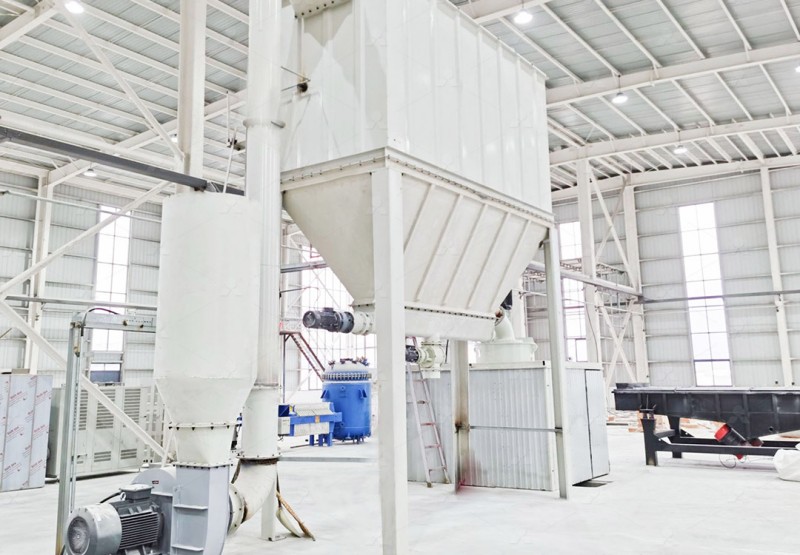
Engineered for customers needing to produce ultra-fine powder between 325-2500 meshes, the MW Mill boasts features that directly address the inefficiencies of older technologies. Its newly designed grinding curves for the roller and ring enhance grinding efficiency dramatically. Crucially, with the same fineness and power, its production capacity is 40% higher than jet or stirred grinding mills, and double that of a ball mill, while system energy consumption is just 30% of a jet mill. This makes it an ideal solution for industries like chemicals, paints, cosmetics, and food additives where precise, fine powders are essential.
Furthermore, its design eliminates common maintenance headaches. The absence of rolling bearings and screws in the grinding chamber means no worries about bearing damage or machine failure from loose screws. Coupled with an external lubricating system that allows for maintenance without shutdown, the MW Mill ensures continuous, worry-free operation for 24 hours a day, maximizing overall plant throughput and availability.
In conclusion, while ball mill circuit simulation is a powerful tool for optimizing existing operations, embracing next-generation grinding technology like the MW Ultrafine Grinding Mill can be a game-changer. It offers a leap forward in efficiency, output, and operational reliability for demanding fine grinding applications.