Ball Mill Bearing Housing Design Drawing PDF | Technical Specifications
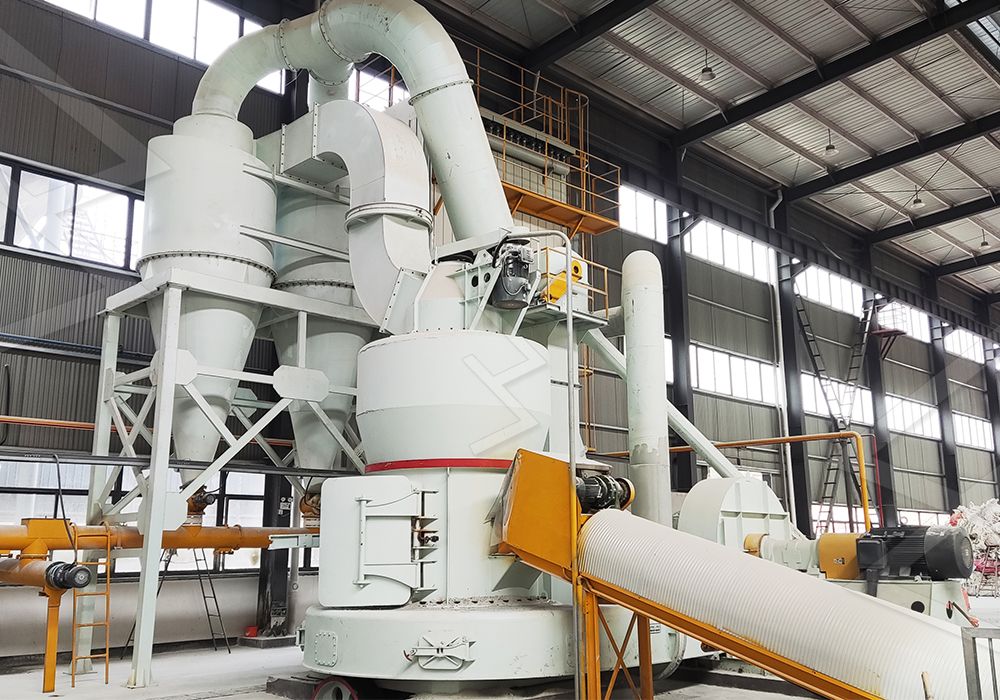
We provide a wide range of mills — including Raymond mill, trapezoidal mill, vertical mill, ultrafine mill, and ball mill, obtained ISO9001 international quality certification, EU CE certification, and Customs Union CU-TR certification. Suitable for processing minerals such as limestone, phosphate, quicklime, kaolin, talc, barite, bentonite, calcium carbonate, dolomite, coal, gypsum, clay, carbon black, slag, cement raw materials, cement clinker, and more.
The discharge range of these mills can be adjusted to meet specific processing needs, typically from 80-400 mesh, 600-3250 mesh, and can achieve the finest particle size of up to 6000 mesh(D50).
If you are looking for a reliable grinding solution to turn stone or minerals into fine powder, please feel free to contact our online customer service.
Ball Mill Bearing Housing Design Drawing PDF | Technical Specifications
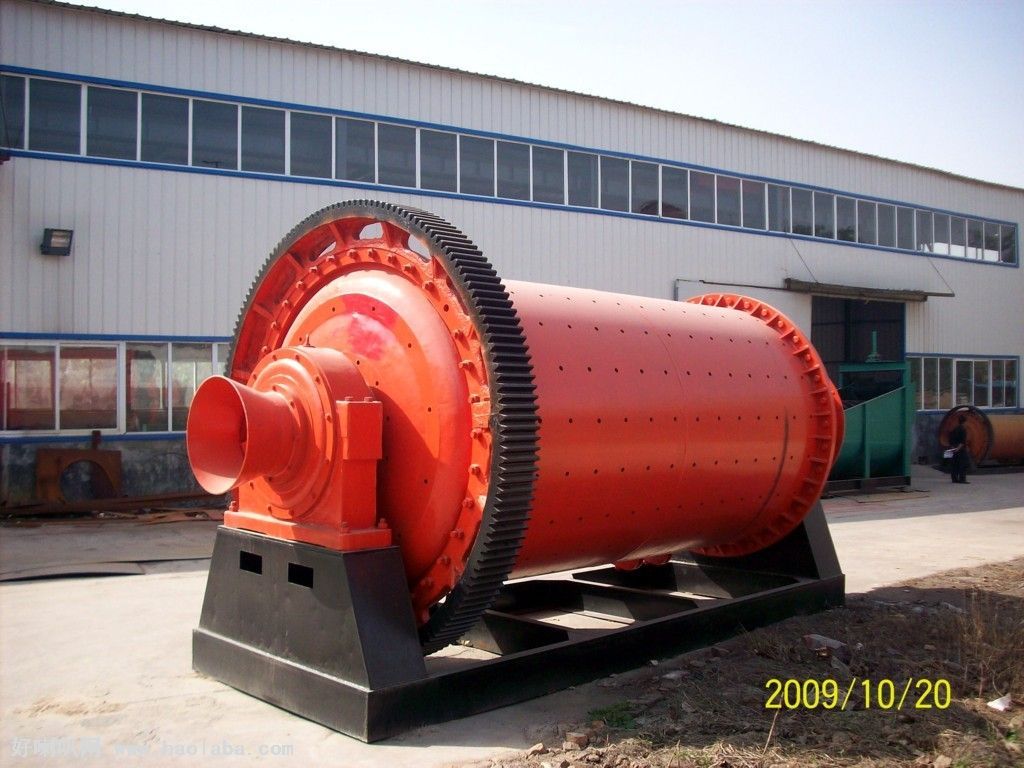
When it comes to industrial grinding, the ball mill remains a workhorse in many operations. However, the heart of its reliability often lies in seemingly mundane components like the bearing housing. A robust bearing housing design is critical for ensuring smooth operation, minimizing downtime, and protecting the mill’s internal components from contamination and failure. This article delves into the key technical specifications and design considerations for ball mill bearing housings, referencing industry best practices and advanced alternatives.
Key Design Considerations for Bearing Housings
The bearing housing in a ball mill must withstand significant radial and axial loads, constant vibration, and potential exposure to dust and moisture. Key design aspects include material selection (often cast iron or ductile iron for its damping properties), precise machining tolerances to ensure perfect alignment, and effective sealing solutions to prevent lubricant leakage and ingress of contaminants. Proper lubrication channels and the integration of condition monitoring ports are also vital for predictive maintenance. Design drawings must meticulously detail these elements to avoid catastrophic failures.
Technical Specifications: Beyond the Basics
Standard technical specifications for a ball mill bearing housing typically encompass dimensions (bore diameter, outer diameter, width), load ratings (dynamic and static), permissible operating temperatures, and sealing standards (e.g., IP65 for dust and water resistance). The housing must be compatible with the chosen bearing type—often deep groove ball bearings or spherical roller bearings—and the specific lubricant. Furthermore, the design must facilitate easy maintenance and alignment during installation, which is often overlooked in poorly designed systems.
Modern Alternatives: Enhancing Grinding Efficiency
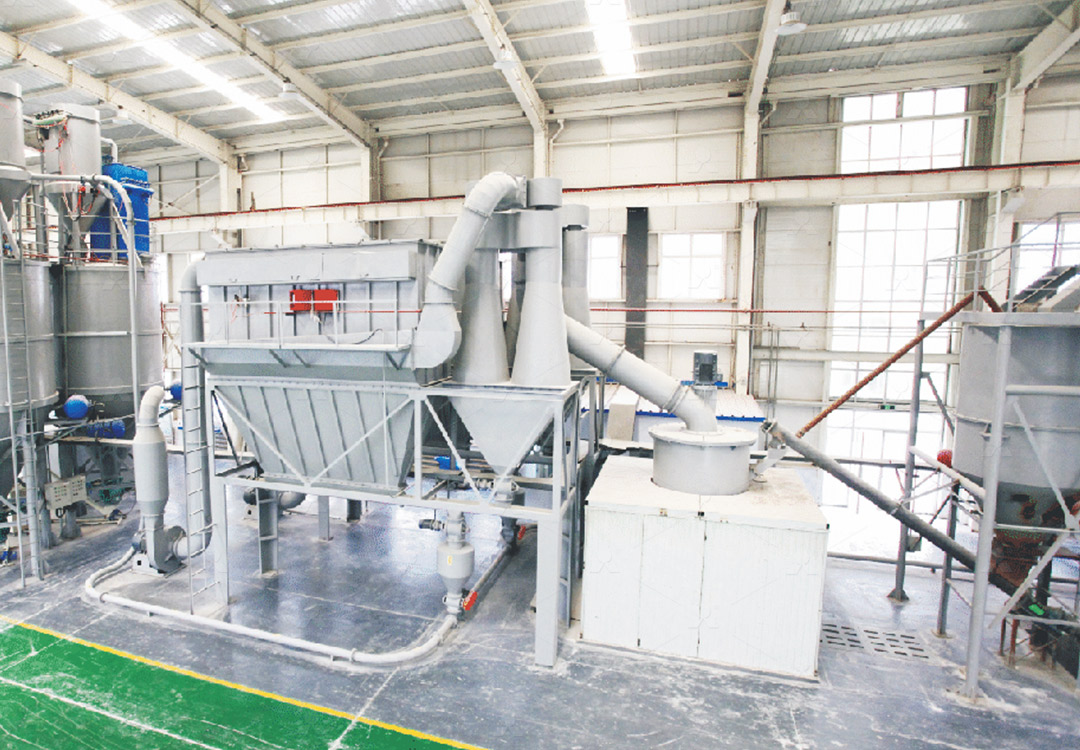
While ball mills are effective, modern grinding technology offers solutions that eliminate some of their inherent maintenance challenges, such as bearing failures. For operations seeking higher efficiency and lower maintenance, our MW Ultrafine Grinding Mill presents a superior alternative. It is engineered for customers requiring ultra-fine powder production (325-2500 meshes) with a capacity of 0.5-25 tph. A standout feature is its absence of rolling bearings and screws in the grinding chamber. This innovative design completely eliminates worries about bearing damage or seal failures, a common pain point in traditional ball mills. Additionally, its external lubrication system allows for maintenance without shutdowns, enabling continuous 24/7 operation and significantly reducing downtime associated with bearing housing issues.
Conclusion: Choosing the Right Technology
A well-designed bearing housing is paramount for a reliable ball mill operation. However, for those looking to future-proof their operations and move beyond these maintenance hurdles, advanced mills like the MW series offer a compelling value proposition. They not only provide higher yields and lower energy consumption but also incorporate design features that render traditional bearing concerns obsolete. For robust, eco-friendly, and high-precision grinding, considering an upgrade to technology like the MW Ultrafine Grinding Mill is a strategic step forward.