
Automation Levels in Limestone Grinding Mills: A Comparative Guide
We provide a wide range of mills — including Raymond mill, trapezoidal mill, vertical mill, ultrafine mill, and ball mill, obtained ISO9001 international quality certification, EU CE certification, and Customs Union CU-TR certification. Suitable for processing minerals such as limestone, phosphate, quicklime, kaolin, talc, barite, bentonite, calcium carbonate, dolomite, coal, gypsum, clay, carbon black, slag, cement raw materials, cement clinker, and more.
The discharge range of these mills can be adjusted to meet specific processing needs, typically from 80-400 mesh, 600-3250 mesh, and can achieve the finest particle size of up to 6000 mesh(D50).
If you are looking for a reliable grinding solution to turn stone or minerals into fine powder, please feel free to contact our online customer service.
Automation Levels in Limestone Grinding Mills: A Comparative Guide
In the world of mineral processing, limestone grinding represents a significant portion of industrial milling operations. The evolution from manual control to fully automated systems has revolutionized efficiency, product consistency, and operational costs. Understanding the different automation levels available in grinding mills is crucial for operations managers looking to optimize their production lines.
The Spectrum of Automation in Grinding Technology
Modern limestone grinding mills span a wide spectrum of automation capabilities, from basic manual oversight to sophisticated AI-driven systems that self-optimize in real-time. The choice between these levels depends on production scale, budget constraints, and desired product specifications.
At the entry level, traditional ball mills offer limited automation, requiring constant operator attention to maintain product quality. These systems, while cost-effective for small operations, often suffer from inconsistent particle size distribution and higher energy consumption per ton of processed material.
Intermediate Automation: Enhanced Control Systems
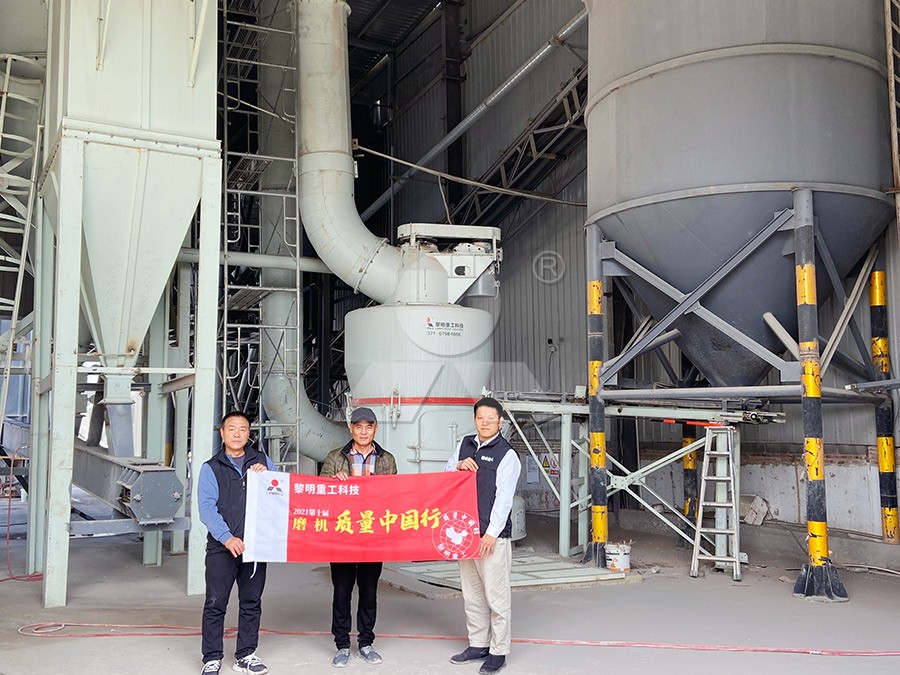
Mid-range automation typically involves programmable logic controllers (PLCs) that monitor and adjust key parameters like feed rate, grinding pressure, and classifier speed. This level of control significantly improves product consistency while reducing operator workload. Many European-style trapezium mills fall into this category, offering reliable performance with moderate automation features.
However, for operations seeking truly exceptional control over product fineness and energy efficiency, more advanced solutions are required. This is where our MW Ultrafine Grinding Mill demonstrates its remarkable capabilities. With its German-designed cage-type powder selector technology, this mill achieves precision separation that allows operators to dial in exact fineness between 325-2500 meshes—an unprecedented level of control in ultrafine powder production.
Advanced Automation: The Future of Grinding Operations
The pinnacle of grinding automation integrates multiple systems into a cohesive, self-optimizing unit. These advanced mills feature remote monitoring capabilities, predictive maintenance algorithms, and automated adjustment of operating parameters based on real-time feed material analysis.
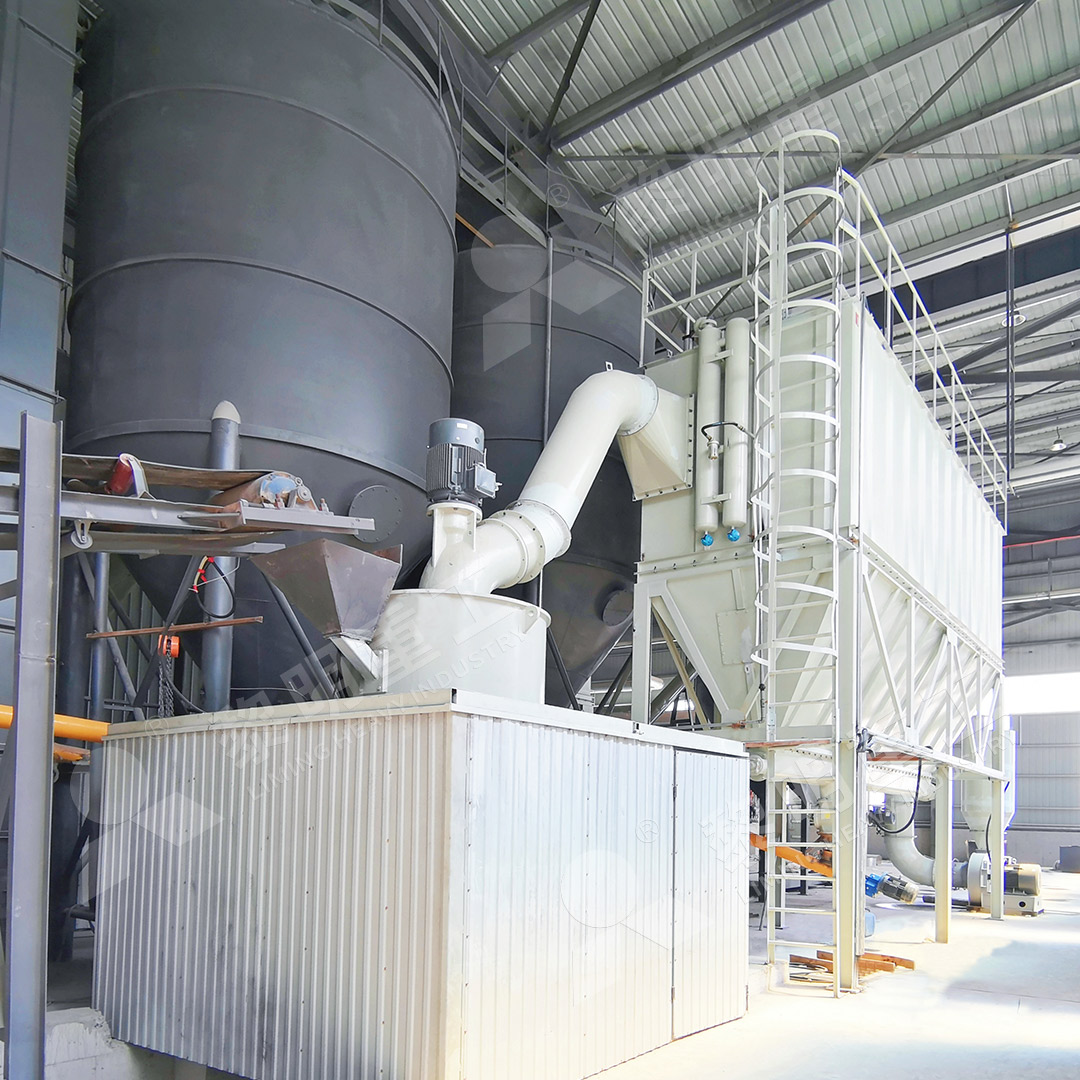
Our MW Ultrafine Grinding Mill exemplifies this high level of automation with several innovative features. The external lubrication system allows for maintenance without shutdown, supporting continuous 24/7 operation. The completely sealed grinding chamber with efficient pulse dust collection ensures environmentally compliant operation while eliminating manual cleaning requirements. With capacity reaching 25 tph and energy consumption 30% lower than jet mills, this system represents the ideal balance of automation and performance.
Selecting the Right Automation Level
When choosing between automation levels, consider your operational priorities. For operations prioritizing product consistency and minimal operator intervention, the MW Ultrafine Grinding Mill offers the perfect solution. Its digital processing ensures high precision manufacturing, while the absence of rolling bearings and screws in the grinding chamber eliminates common failure points that require manual intervention.
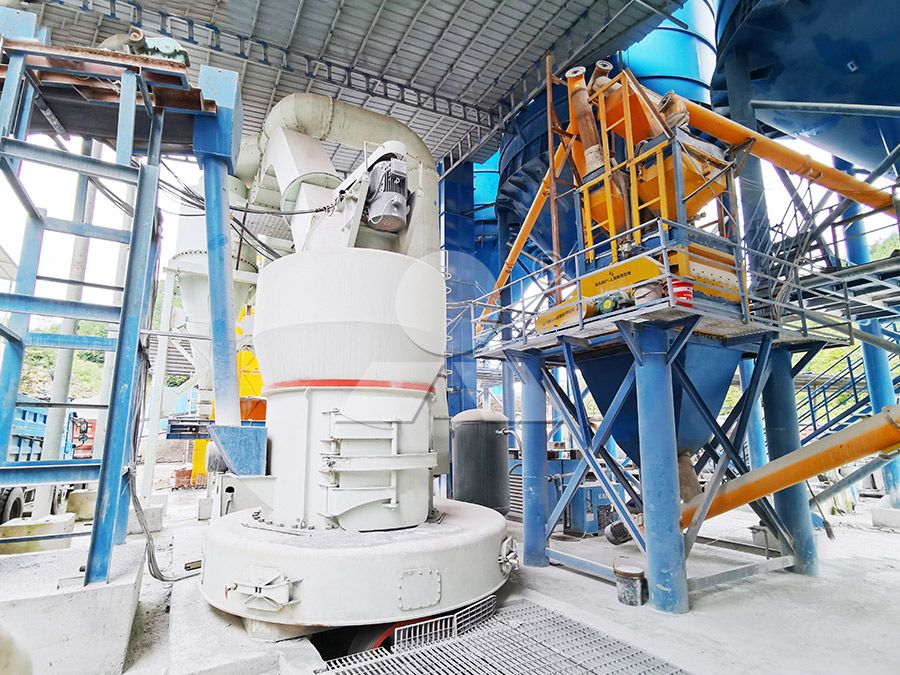
For larger-scale operations processing up to 340 tph, our LM Vertical Grinding Mill provides expert-level automatic control with remote operation capabilities. This system integrates crushing, drying, grinding, classifying and conveying into a single automated process, significantly reducing manpower requirements while maintaining strict quality control.
Conclusion: Balancing Automation with Operational Needs
The progression toward fully automated grinding systems continues to accelerate, driven by demands for higher efficiency, better product quality, and reduced operational costs. While the initial investment in advanced automation may be higher, the long-term benefits in consistency, energy savings, and reduced labor costs typically justify the expenditure.
For limestone processors seeking to upgrade their operations, the MW Ultrafine Grinding Mill represents the current peak of automation technology in medium-capacity grinding applications. Its combination of precision control, energy efficiency, and minimal maintenance requirements makes it an ideal choice for modern mineral processing facilities looking to maximize productivity while minimizing operational complexity.