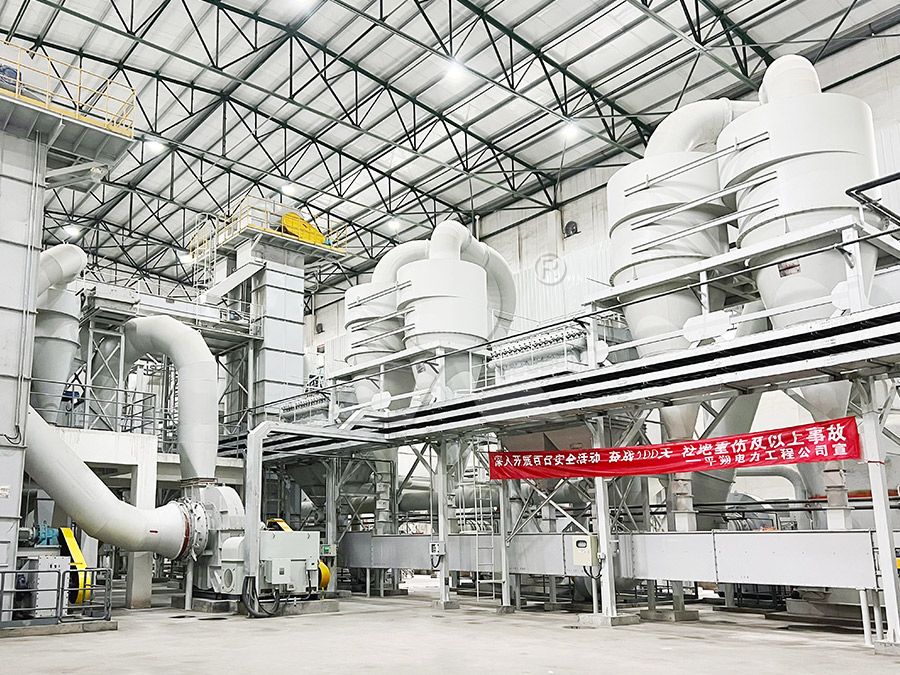
Automated Control Systems for Efficient Gypsum Powder Production Lines
We provide a wide range of mills — including Raymond mill, trapezoidal mill, vertical mill, ultrafine mill, and ball mill, obtained ISO9001 international quality certification, EU CE certification, and Customs Union CU-TR certification. Suitable for processing minerals such as limestone, phosphate, quicklime, kaolin, talc, barite, bentonite, calcium carbonate, dolomite, coal, gypsum, clay, carbon black, slag, cement raw materials, cement clinker, and more.
The discharge range of these mills can be adjusted to meet specific processing needs, typically from 80-400 mesh, 600-3250 mesh, and can achieve the finest particle size of up to 6000 mesh(D50).
If you are looking for a reliable grinding solution to turn stone or minerals into fine powder, please feel free to contact our online customer service.
Automated Control Systems for Efficient Gypsum Powder Production Lines
In today’s competitive industrial landscape, efficency and precision in gypsum powder production are paramount. Modern production lines rely heavily on sophisticated automated control systems to optimize every stage of the process, from raw material crushing to final powder packaging. These systems not only enhance yield and product quality but also significantly reduce energy consumption and operational costs, ensuring a swift return on investment.
The Role of Automation in Gypsum Processing
Automation in a gypsum plant typically encompasses a centralized PLC (Programmable Logic Controller) system that monitors and controls motors, feeders, crushers, and most critically, the grinding mills. Sensors throughout the line constantly feed data on temperature, pressure, motor load, and material flow back to the control room. This allows for real-time adjustments, ensuring the entire system operates within its optimal parameters. For instance, the feed rate into the grinding mill can be automaticaly modulated based on the motor’s current draw, preventing overloads and ensuring a consistent, fine product output.
Key Challenges Addressed by Automation
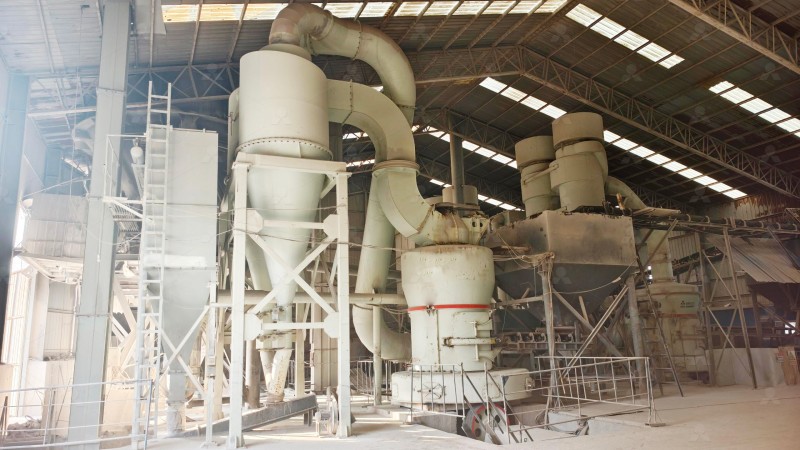
Traditional gypsum milling faced several hurdles: inconsistent fineness, high energy waste, excessive dust, and frequent manual intervention. Automated systems directly tackle these issues. Precise control over grinding pressure, classifier speed, and air volume guarantees the final powder meets exact specifications (e.g., 325-2500 meshes) every time. Furthermore, integrated dust collection and noise reduction modules are managed by the system, maintaining environmental compliance without sacrificing throughput.
Integrating Advanced Grinding Technology
The heart of any gypsum production line is the grinding mill. Selecting the right equipment is crucial for achieving high efficiency under an automated regime. Our MW Ultrafine Grinding Mill is a premier choice for producers aiming for ultra-fine powder. Designed for seamless integration into automated lines, it boasts features that align perfectly with modern control systems.
With an input size of 0-20 mm and a capacity ranging from 0.5 to 25 tph, the MW Mill offers remarkable flexibility. Its cage-type powder selector, leveraging German technology, allows the control system to precisely adjust fineness between 325-2500 meshes digitally. A significant advantage for automation is its design: there are no rolling bearings or screws in the grinding chamber. This eliminates common failure points that could trigger unplanned downtime, allowing the control system to focus on optimization rather than troubleshooting mechanical faults. The external lubricating device also permits lubrication without shutdown, supporting continuous 24/7 operation as directed by the automated control protocols.
Beyond Grinding: A Holistic Automated Approach
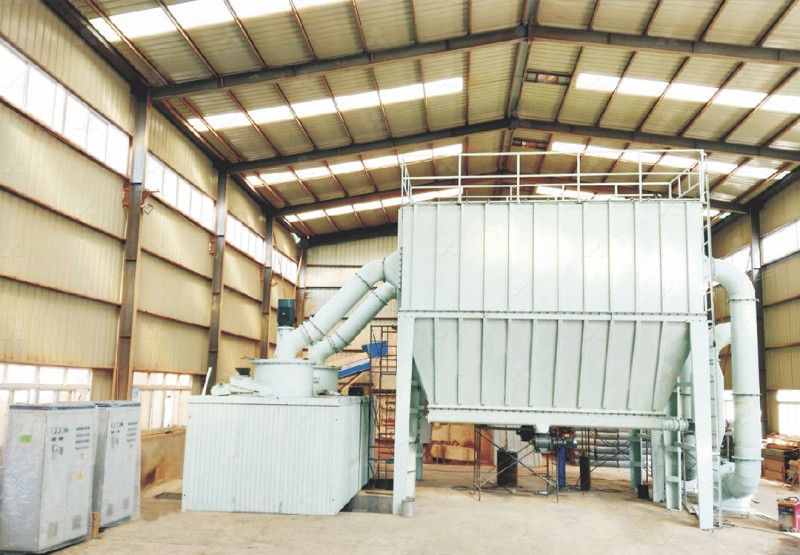
True efficiency is achieved when all components work in harmony. From the initial crushing of gypsum rock to the final packaging of the powder, every step can be synchronized. Automated conveyors, smart feeders, and robotic bagging systems all receive commands from the central PLC. The environmental controls are also integral; the MW Mill’s efficient pulse dust collector and muffler are activated and monitored by the system, ensuring emissions and noise remain well within stipulated standards throughout the production cycle.
Conclusion: The Future is Automated and Efficient
The integration of robust automated control systems with high-performance grinding machinery like the MW Ultrafine Grinding Mill is no longer a luxury but a necessity for gypsum producers aiming for leadership in the market. This synergy delivers unparalleled control over product quality, maximizes energy efficiency, minimizes human error, and ensures reliable, worry-free operation. Investing in such technology is investing in the future of sustainable and profitable manufacturing.