
Australian Lab Grinding Mills: A Guide to Local Manufacturers
We provide a wide range of mills — including Raymond mill, trapezoidal mill, vertical mill, ultrafine mill, and ball mill, obtained ISO9001 international quality certification, EU CE certification, and Customs Union CU-TR certification. Suitable for processing minerals such as limestone, phosphate, quicklime, kaolin, talc, barite, bentonite, calcium carbonate, dolomite, coal, gypsum, clay, carbon black, slag, cement raw materials, cement clinker, and more.
The discharge range of these mills can be adjusted to meet specific processing needs, typically from 80-400 mesh, 600-3250 mesh, and can achieve the finest particle size of up to 6000 mesh(D50).
If you are looking for a reliable grinding solution to turn stone or minerals into fine powder, please feel free to contact our online customer service.
Australian Lab Grinding Mills: A Guide to Local Manufacturers
Australia’s mining, research, and industrial sectors demand precision and reliability in sample preparation and material processing. At the heart of these operations are laboratory grinding mills, essential for reducing particle size for analysis, experimentation, and small-scale production. While the global market offers numerous options, Australian manufacturers and suppliers have carved out a significant niche by providing robust, high-performance equipment tailored to local conditions and stringent industry standards.
The landscape for lab grinding mills in Australia is diverse, catering to applications ranging from mineral exploration and geochemical analysis to pharmaceutical development and advanced materials science. Local expertise is crucial, as the harsh Australian environment and unique mineralogy often require equipment that can handle abrasive materials and operate consistently in remote locations.
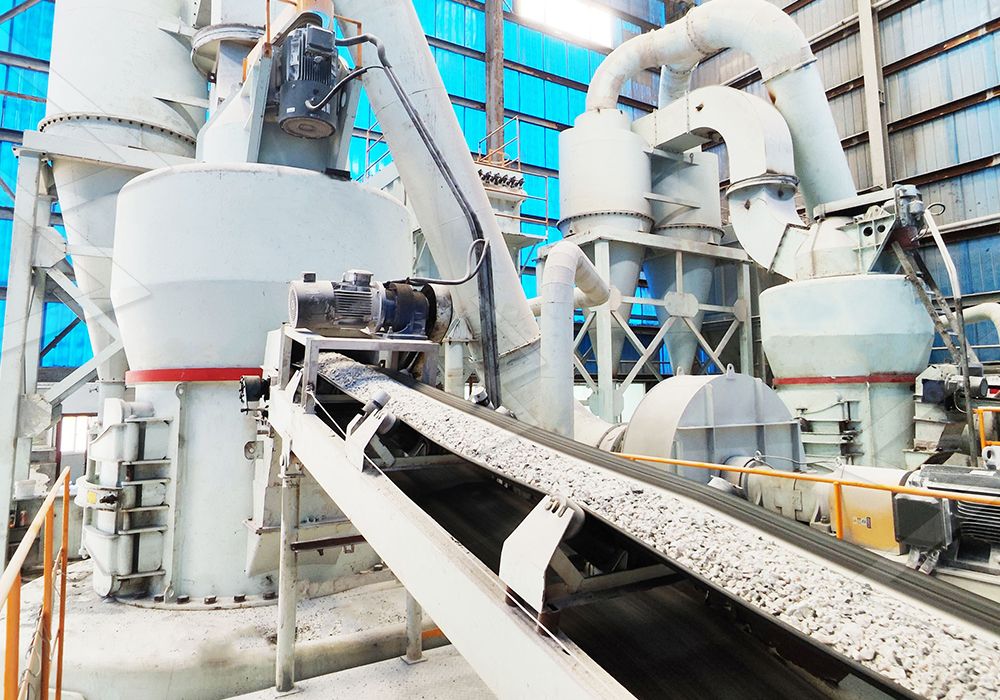
Key Considerations for Australian Buyers
When selecting a lab grinding mill, several factors are paramount for Australian professionals. Durability is non-negotiable; equipment must withstand continuous use with minimal downtime. Energy efficiency is another critical consideration, not only for cost savings but also for environmental sustainability, a growing priority for Australian businesses. Furthermore, the ability to achieve a consistent and ultra-fine grind is essential for accurate analytical results, particularly in fields like gold assaying or environmental testing.
Local manufacturers understand these needs intimately. They often build mills with superior wear-resistant materials and offer readily available spare parts and technical support, eliminating long wait times associated with international shipping. This local backing ensures that operations can continue smoothly with minimal disruption.
Advanced Solutions for Precision Grinding
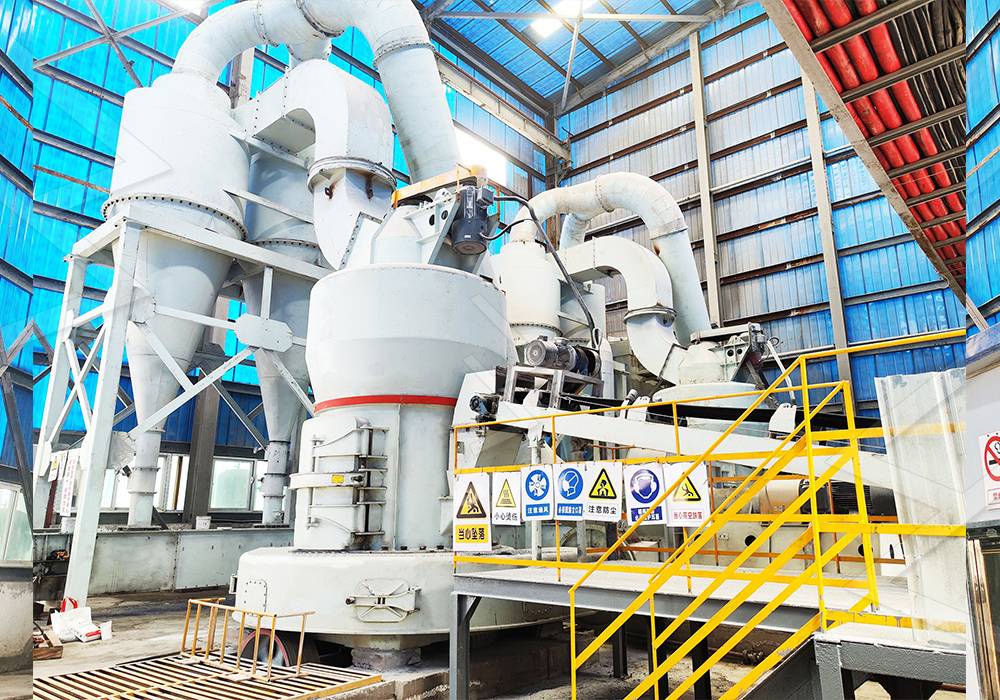
For laboratories requiring the highest levels of fineness and efficiency, advanced grinding technologies are indispensable. A standout example is the MW Ultrafine Grinding Mill. This machine is engineered for customers who need to produce ultra-fine powder reliably. With an input size of 0-20 mm and a capacity range of 0.5-25 tph, it is versatile enough for various lab and pilot-scale applications.
The MW Mill is equipped with an efficient pulse dust collector and muffler, significantly reducing dust and noise emissions, making it ideal for environmentally sensitive or indoor laboratory settings. Its design eliminates rolling bearings and screws from the grinding chamber, a feature that prevents common failure points and allows for external lubrication without shutdowns, enabling continuous 24/7 operation—a significant advantage for high-throughput labs.
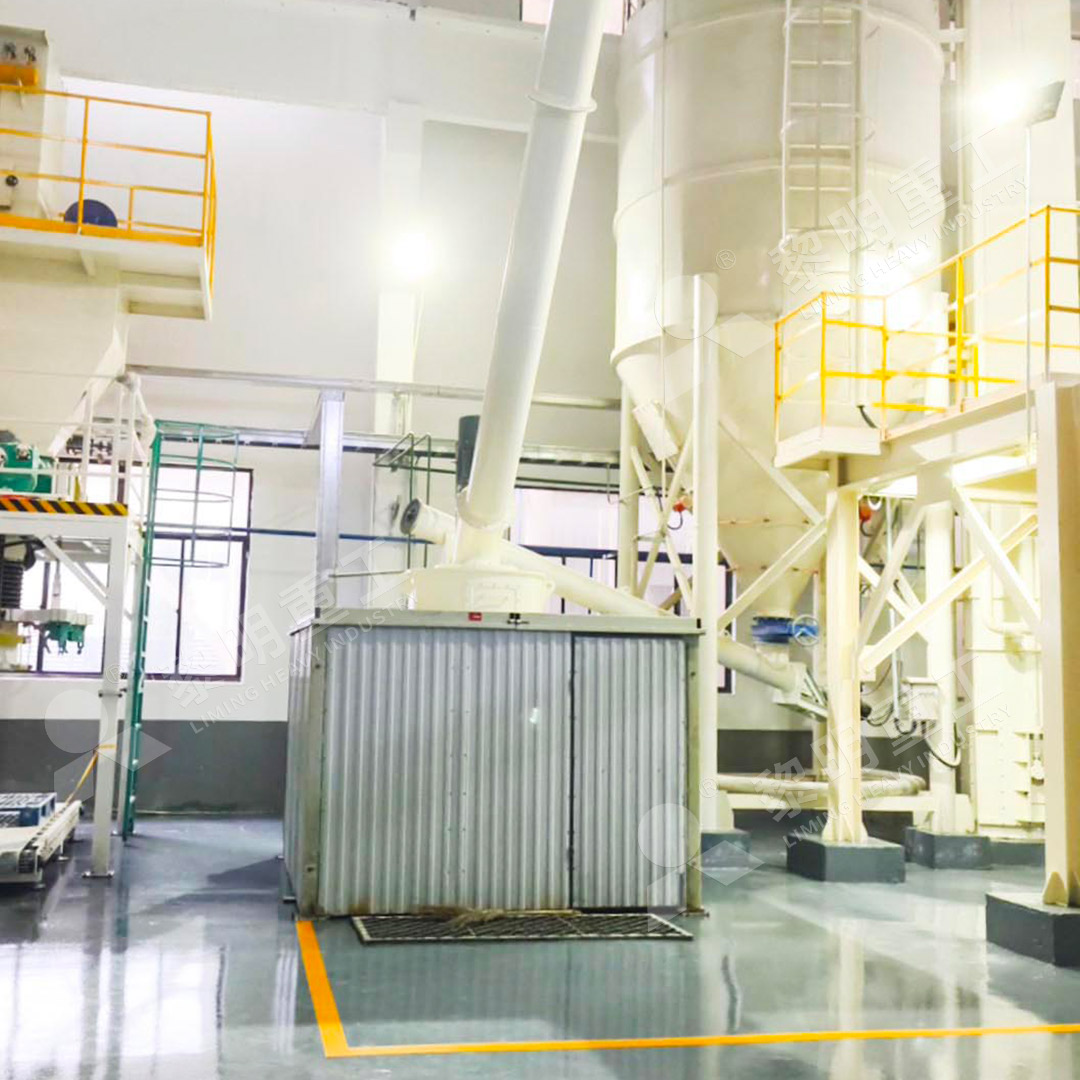
Another excellent option for vertical grinding applications is the LUM Ultrafine Vertical Grinding Mill. With a slightly smaller input size of 0-10 mm and a capacity of 5-18 tph, it integrates grinding, grading, and transporting into a single, compact unit. Its innovative design includes a unique roller shell and lining plate grinding curve that facilitates material layering and achieves a high rate of finished product in a single pass. This results in not only higher efficiency but also improved whiteness and cleanliness of the final powder, which is critical for quality control in many industries.
The Importance of Local Support and Innovation
Choosing an Australian supplier or a globally recognized brand with a strong local presence, like LIMING, offers distinct advantages. It ensures access to technical services, original spare parts, and expert advice. This local support network is vital for maintaining equipment longevity and optimizing performance. Furthermore, many manufacturers now incorporate digitalized processing and numerical control in their production, ensuring high precision for core components and consistent mill performance.
In conclusion, the Australian market for lab grinding mills is well-served by manufacturers who prioritize durability, efficiency, and local support. By investing in advanced, well-supported equipment, Australian laboratories and research facilities can enhance their analytical capabilities, improve operational efficiency, and maintain a competitive edge in their respective fields.
Frequently Asked Questions (FAQ)
What types of materials can Australian lab grinding mills process?
They are highly versatile and can process a wide range of materials including limestone, calcite, dolomite, gypsum, barite, talc, coal powder, various ores, and even materials for the chemical, paint, and pharmaceutical industries.
Why is local manufacturer support important for grinding mills?
Local support guarantees faster response times for maintenance, readily available genuine spare parts, and technical expertise familiar with Australian operating conditions, minimizing costly downtime.
What are the key benefits of an ultrafine grinding mill like the MW series?
Key benefits include the ability to produce powders between 325-2500 meshes, higher energy efficiency compared to traditional mills (up to 40% higher yield), and designs that eliminate internal bearings for more reliable, worry-free operation.
How do I choose between a vertical mill and a trapezium mill for my lab?
The choice depends on your specific needs. Vertical mills like the LUM series are excellent for integrated drying and grinding in a compact footprint. Trapezium mills like the MTW series are known for high production efficiency and wear-resistant components, ideal for continuous grinding of medium-hard materials.