
Attrition Mill for Calcium Carbonate Grinding in China: Manufacturers and Process
We provide a wide range of mills — including Raymond mill, trapezoidal mill, vertical mill, ultrafine mill, and ball mill, obtained ISO9001 international quality certification, EU CE certification, and Customs Union CU-TR certification. Suitable for processing minerals such as limestone, phosphate, quicklime, kaolin, talc, barite, bentonite, calcium carbonate, dolomite, coal, gypsum, clay, carbon black, slag, cement raw materials, cement clinker, and more.
The discharge range of these mills can be adjusted to meet specific processing needs, typically from 80-400 mesh, 600-3250 mesh, and can achieve the finest particle size of up to 6000 mesh(D50).
If you are looking for a reliable grinding solution to turn stone or minerals into fine powder, please feel free to contact our online customer service.
Attrition Mill for Calcium Carbonate Grinding in China: Manufacturers and Process
Calcium carbonate (CaCO3) grinding is a fundamental process in numerous industries across China, from plastics and paints to pharmaceuticals and construction. The choice of grinding mill is critical for achieving the desired particle size distribution, whiteness, and production efficiency. Among the various technologies available, attrition mills play a pivotal role in producing ultra-fine and consistent powders.
The Importance of Fine Grinding in Calcium Carbonate Applications
The value of calcium carbonate is directly linked to its fineness. For high-end applications like high-quality paper coatings, premium plastics, and advanced sealants, a consistently ultra-fine powder is not a luxury—it’s a requirement. Attrition mills, which utilize a mechanical force of grinding media to reduce particle size, are engineered to meet this demand. Chinese manufacturers have made significant strides in advancing this technology, focusing on energy efficiency, lower operational costs, and environmental sustainability.
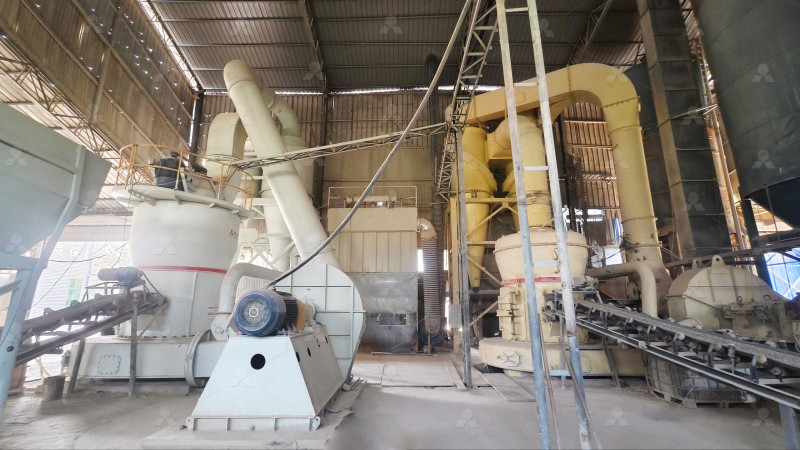
Key Considerations for Mill Selection
When selecting a mill for calcium carbonate, several factors come into play:
- Fineness Range: The ability to precisely control the output from coarse (100 mesh) to superfine (2500 mesh+).
- Energy Consumption: Traditional ball mills are notoriously energy-intensive. Modern mills are designed for lower kWh/t.
- System Integration: A complete system that includes drying, grinding, classification, and conveying simplifies operation.
- Environmental Impact: Effective dust collection and noise reduction are mandatory for modern plants.
- Maintenance & Downtime: Easy access to wear parts and reliable design ensure maximum uptime.
Recommended Solution: MW Ultrafine Grinding Mill
For operations focused on producing high-value ultra-fine calcium carbonate powder, the MW Ultrafine Grinding Mill is an exceptional choice. This mill is specifically engineered for customers who need to make ultra-fine powder with superior efficiency.
Key advantages of the MW Mill for CaCO3 grinding include:
- Higher Yielding, Lower Energy Consumption: Its newly designed grinding curves enhance efficiency, offering production capacity 40% higher than jet mills while consuming only 30% of the energy. This is a game-changer for reducing operating costs.
- Adjustable Fineness (325-2500 meshes): Its German-technology cage-type powder selector allows for precise control over the final product’s fineness, achieving d97≤5μm in a single pass, which is ideal for coating-grade calcium carbonate.
- Worry-Free Operation: A critical design feature is the absence of rolling bearings and screws in the grinding chamber. This eliminates common failure points and allows for external lubrication without shutdown, enabling continuous 24/7 production.
- Eco-Friendly Operation: The integrated efficient pulse dust collector and silencer ensure the entire milling system operates with no dust pollution and minimal noise, fully complying with national environmental protection standards.
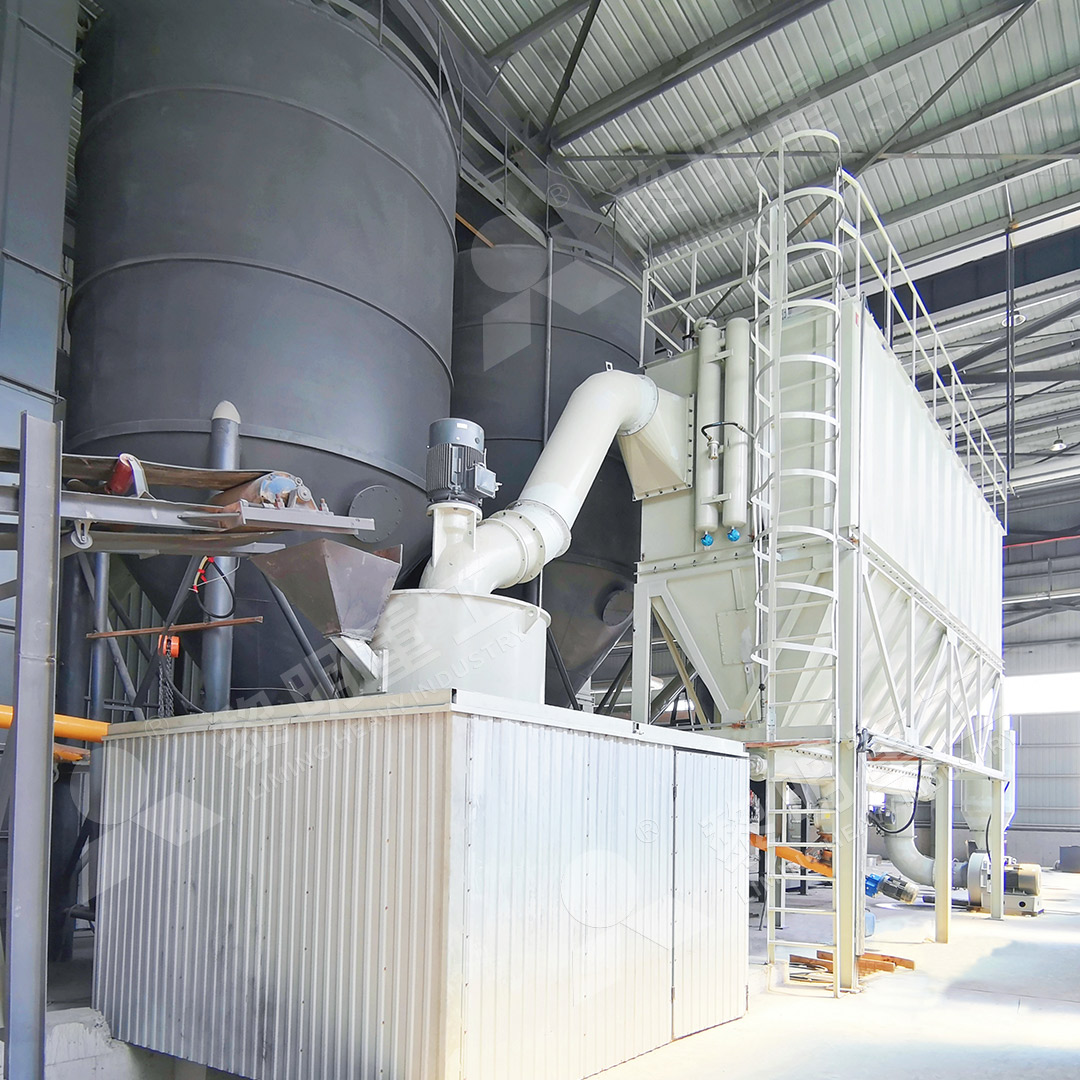
The Grinding Process: From Lump to Premium Powder
The process begins with crushing raw limestone to a size of 0-20mm. The material is then fed into the MW Mill’s grinding chamber. The reducer drives dozens of rollers to rotate against the raceway of the ring, crushing the material into powder through compression and shear forces. The ground powder is carried by the air stream into the integrated high-precision classifier, where oversize particles are rejected and returned for further grinding. The final, in-spec product is collected by a cyclone and bag filter, ready for packaging or further modification.
Why Choose a Chinese Manufacturer?
China has become a global hub for grinding mill manufacturing, offering a blend of advanced technology, rigorous quality control, and cost-effectiveness. Leading manufacturers invest heavily in R&D, developing proprietary technologies for powder separation, wear-resistant materials, and digital automation. Furthermore, they provide comprehensive support, from plant design and installation to the supply of genuine spare parts, ensuring worry-free operation for their clients worldwide.
In conclusion, selecting the right attrition mill is paramount for success in the competitive calcium carbonate market. For those seeking a reliable, efficient, and advanced solution for ultra-fine grinding, the MW Ultrafine Grinding Mill represents a top-tier option from China’s innovative manufacturing sector, capable of delivering the quality and performance required to excel.