
Applications of Quartz Powder in Optical Instrument Manufacturing
We provide a wide range of mills — including Raymond mill, trapezoidal mill, vertical mill, ultrafine mill, and ball mill, obtained ISO9001 international quality certification, EU CE certification, and Customs Union CU-TR certification. Suitable for processing minerals such as limestone, phosphate, quicklime, kaolin, talc, barite, bentonite, calcium carbonate, dolomite, coal, gypsum, clay, carbon black, slag, cement raw materials, cement clinker, and more.
The discharge range of these mills can be adjusted to meet specific processing needs, typically from 80-400 mesh, 600-3250 mesh, and can achieve the finest particle size of up to 6000 mesh(D50).
If you are looking for a reliable grinding solution to turn stone or minerals into fine powder, please feel free to contact our online customer service.
Applications of Quartz Powder in Optical Instrument Manufacturing
The relentless pursuit of precision, clarity, and durability in optical instrument manufacturing demands materials of exceptional purity and consistency. Among these, high-purity quartz powder plays a pivotal, though often unseen, role. Its unique properties make it an indispensable component in the creation of lenses, prisms, optical fibers, and specialized coatings that define modern optics.
The Critical Role of Quartz Powder
Quartz, or silicon dioxide (SiO₂), is prized for its excellent optical properties, including high transmission in the ultraviolet, visible, and infrared spectra, exceptional thermal stability, and low thermal expansion. For use in high-end optics, quartz must be ground to an ultra-fine, highly consistent powder. This powder serves as the primary raw material for manufacturing fused quartz glass components. The process involves melting the powder at extremely high temperatures to form a homogeneous, bubble-free glass blank, which is then precision-ground and polished into final optical elements.
The quality of the final optical component is intrinsically linked to the quality of the quartz powder. Impurities, inconsistent particle size distribution, or the presence of agglomerates can lead to light scattering, reduced transmission, birefringence, and structural weaknesses in the glass. Therefore, achieving a powder with a tightly controlled particle size, high chemical purity, and minimal contamination is paramount.
Key Requirements for Optical-Grade Quartz Powder
- Ultra-High Purity: Metallic impurities like iron, potassium, and sodium must be in the parts-per-million (ppm) or even parts-per-billion (ppb) range to prevent coloration and absorption of light.
- Precise Particle Size Distribution: A narrow, controlled particle size range (typically in the micron to sub-micron level) ensures uniform melting behavior and a homogeneous final product without defects.
- Minimal Contamination: The grinding process itself must not introduce contaminants from wear of the mill’s components.
- High Processing Efficiency: To meet industrial demands, the milling process must be energy-efficient and capable of producing large volumes of consistent powder.
Advanced Milling Solutions for Optical Precision
Producing such a specialized material requires equally specialized grinding technology. Conventional ball mills or Raymond mills often struggle to achieve the necessary fineness and can introduce contamination through mechanical wear.
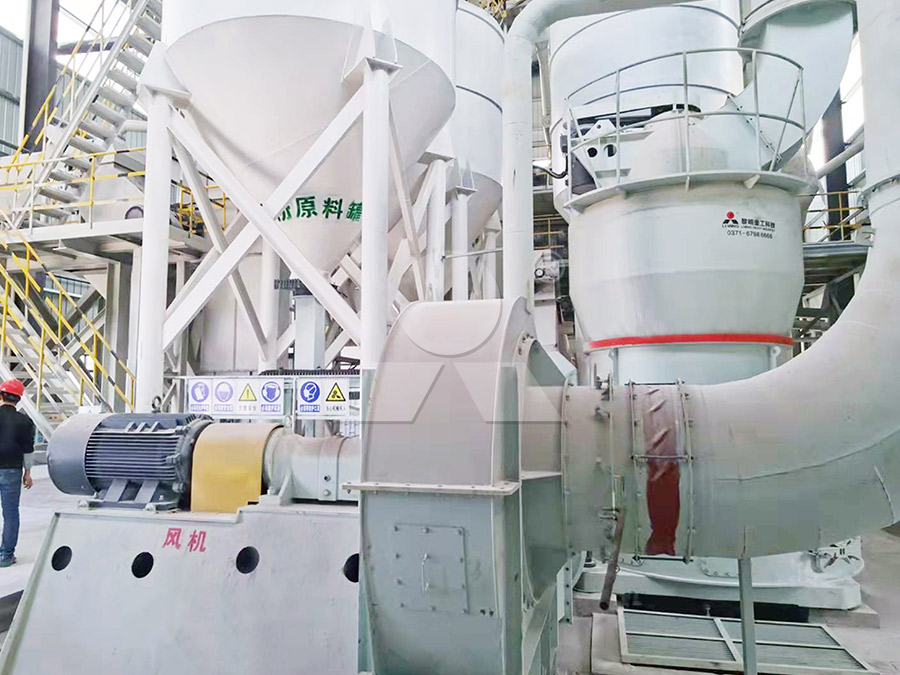
This is where advanced ultrafine grinding technology becomes critical. For instance, our MW Ultrafine Grinding Mill is engineered specifically for these high-stakes applications. With an input size of 0-20 mm and a capacity ranging from 0.5 to 25 tons per hour, it is perfectly suited for processing brittle materials like quartz. Its cage-type powder selector, incorporating German technology, allows for precise fineness adjustment between 325 and 2500 meshes, ensuring the exact particle distribution required for optical fusion. Crucially, its design features no rolling bearings or screws inside the grinding chamber, virtually eliminating a primary source of metallic contamination. This ensures the final quartz powder maintains the exceptional purity demanded by the optics industry.
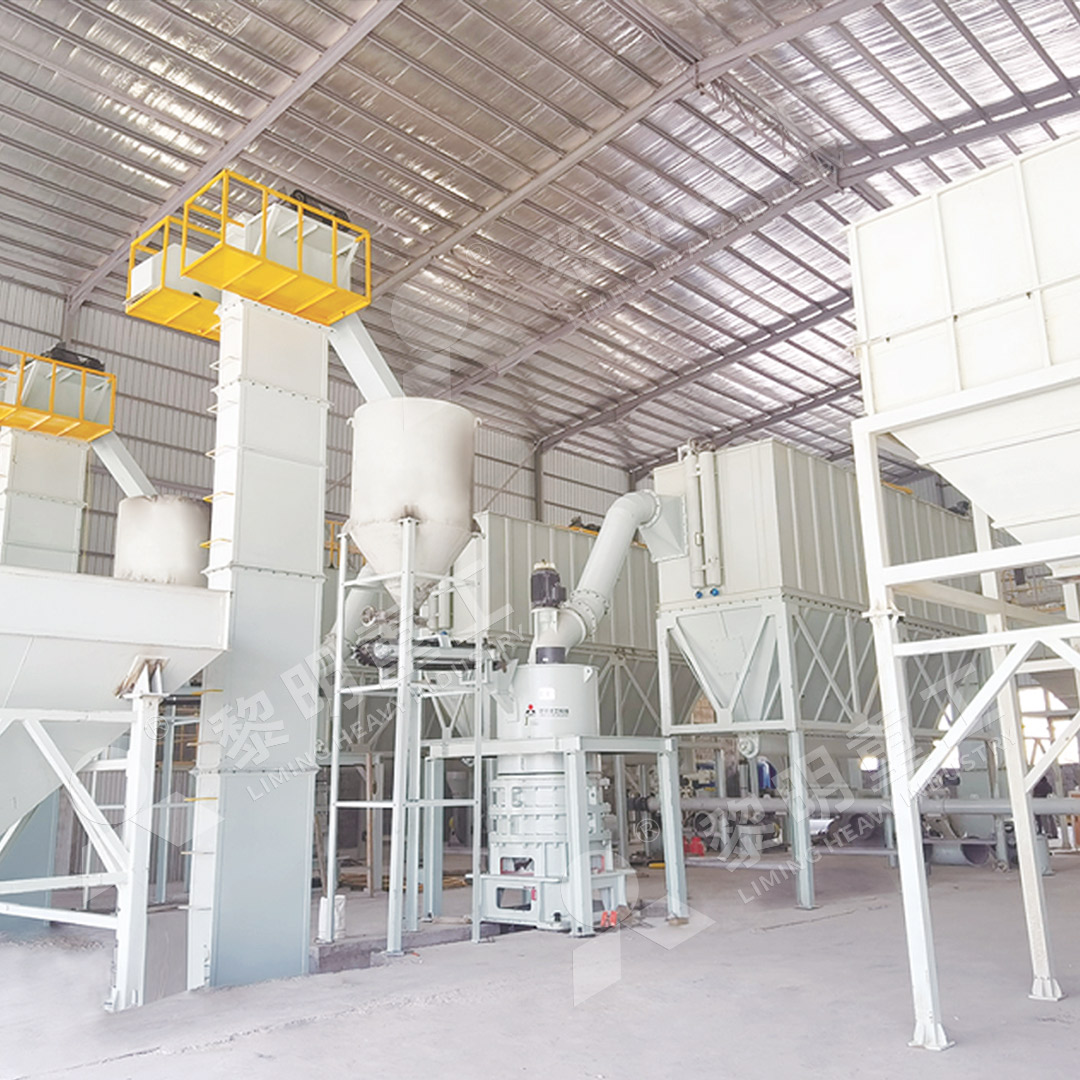
For operations requiring vertical integration and even higher efficiency on slightly smaller feed sizes, the LUM Ultrafine Vertical Grinding Mill presents an excellent alternative. Its unique roller shell and lining plate grinding curve promote efficient material layer formation, enabling a high rate of finished product in a single pass. This minimizes processing time and potential contamination. Its multi-head powder separating technology, controlled by a PLC system, offers unparalleled control over the final product’s cut point, which is essential for optical-grade specs.
Beyond Glass: Coatings and Composites
The application of quartz powder extends beyond bulk fused glass. Fine quartz powders are used in anti-reflective coatings, where their precise particle size helps control light interference. They are also incorporated into composite materials and specialized ceramics used for instrument housings and mounts, leveraging quartz’s stability and low thermal expansion to maintain optical alignment under varying environmental conditions.

Conclusion
The journey from raw quartz crystal to a flawless lens in a telescope or microscope is a testament to materials science and precision engineering. The unsung hero of this process is the ultra-fine, high-purity quartz powder, whose quality directly dictates the performance of the final instrument. By leveraging advanced grinding solutions like the MW and LUM mills, manufacturers can achieve the material perfection required to push the boundaries of clarity, resolution, and discovery in the field of optics.