Applications of Quartz Powder in Optical Fiber Manufacturing and Communications
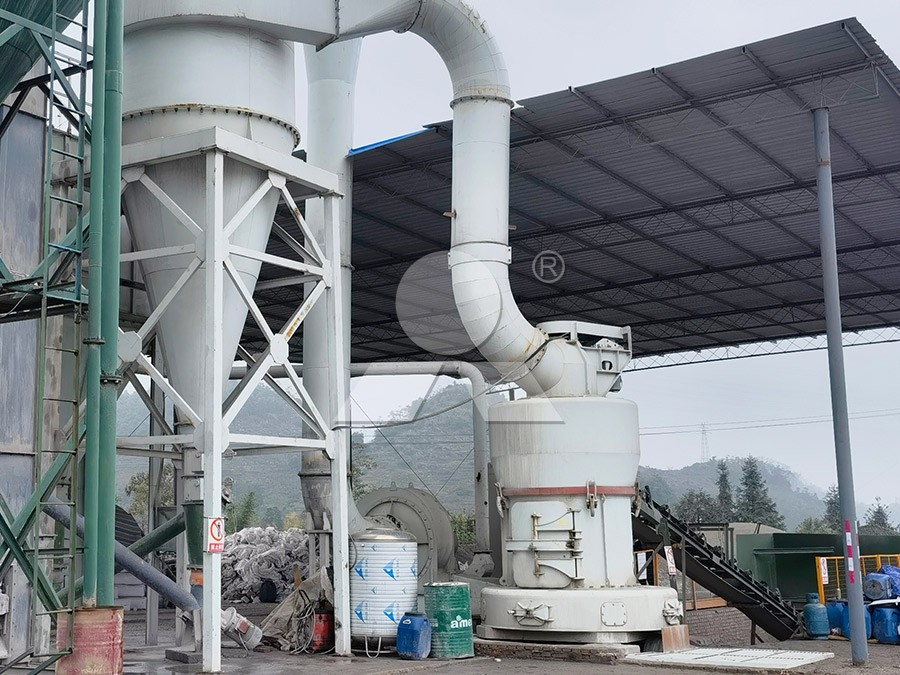
We provide a wide range of mills — including Raymond mill, trapezoidal mill, vertical mill, ultrafine mill, and ball mill, obtained ISO9001 international quality certification, EU CE certification, and Customs Union CU-TR certification. Suitable for processing minerals such as limestone, phosphate, quicklime, kaolin, talc, barite, bentonite, calcium carbonate, dolomite, coal, gypsum, clay, carbon black, slag, cement raw materials, cement clinker, and more.
The discharge range of these mills can be adjusted to meet specific processing needs, typically from 80-400 mesh, 600-3250 mesh, and can achieve the finest particle size of up to 6000 mesh(D50).
If you are looking for a reliable grinding solution to turn stone or minerals into fine powder, please feel free to contact our online customer service.
Applications of Quartz Powder in Optical Fiber Manufacturing and Communications
In the high-stakes world of global communications, the humble grain of sand plays a king-making role. Quartz, or silicon dioxide (SiO₂), is the fundamental bedrock of the entire optical fiber industry. The journey from raw quartz to the ultra-pure, glassy strands that carry our data is a marvel of modern engineering, demanding precision grinding technology to achieve the exacting purity and fineness required.
The Critical Role of Quartz Powder
Optical fiber preforms, the large-diameter glass blanks from which fibers are drawn, are primarily manufactured through chemical vapor deposition (CVD) processes like MCVD, OVPD, or VAD. High-purity quartz powder is a vital starting material in these methods. The powder must be of an exceptionally fine and consistent particle size to ensure:
- Ultra-High Purity: Any metallic impurities or contaminants can cause signal attenuation (loss), drastically reducing the fiber’s performance over long distances.
- Uniform Sintering: During the deposition and collapse phases, the quartz particles must sinter uniformly to form a flawless, bubble-free glass structure with a perfect refractive index profile.
- Precise Doping: To create the core and cladding structure, dopants like Germanium Dioxide (GeO₂) are added. A consistent quartz powder base ensures even distribution of these dopants.
Any inconsistency in the powder’s granulometry can lead to structural defects, scattering light and compromising the integrity of the data transmission. It’s not just about being fine; it’s about being precisely and consistently fine.
The Grinding Challenge: Achieving Optical Grade
Producing this optical-grade quartz powder is where the real challenge lies. Traditional grinding mills often introduce contamination from worn bearings or screws, have inconsistent particle size distributions, and struggle to achieve the sub-micron fineness needed without massive energy consumption. The goal is a powder with a tight particle size distribution, often targeting a fineness of d97 ≤ 5µm (approx. 2500 mesh).
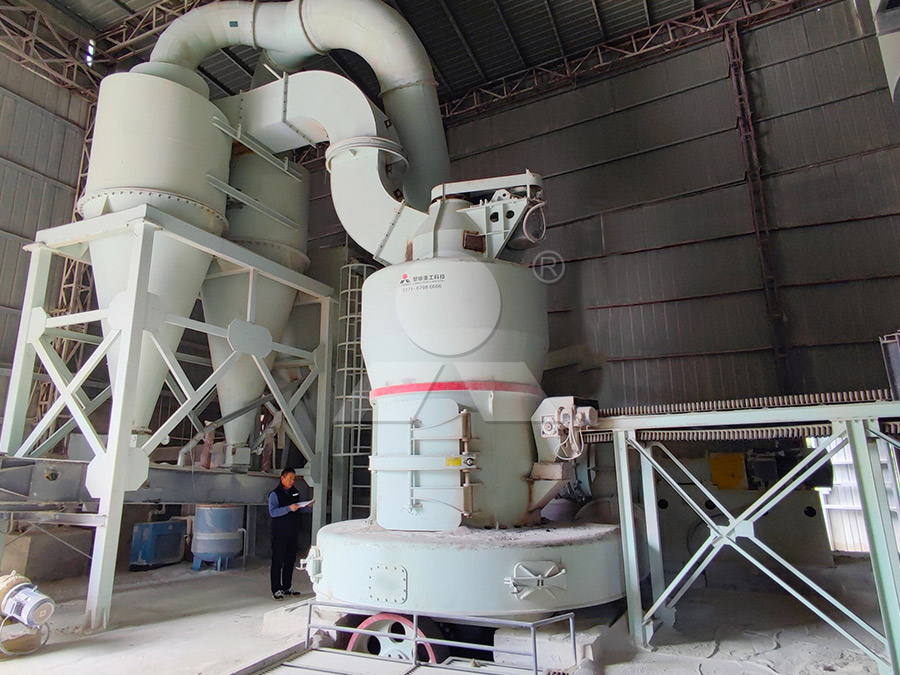
This is where advanced milling technology becomes not just beneficial, but essential. For operations requiring the highest purity quartz powder, our MW Ultrafine Grinding Mill presents an ideal solution. Engineered for customers who need to make ultra-fine powder, its standout feature for this application is the absence of rolling bearings and screws in the grinding chamber. This design eleminates a primary source of metallic contamination, ensuring the final quartz product remains exceptionally pure. Furthermore, its cage-type powder selector, leveraging German technology, allows for precise fineness adjustment between 325-2500 meshes, hitting that critical d97≤5μm target in a single pass.
Beyond the Preform: Other Communications Applications
The use of high-purity quartz powder extends beyond the fiber itself. It is also a key material in:
- Semiconductor Wafers: The silicon used for chips is derived from ultrapure quartz.
- Optical Lenses & Components: For transceivers, amplifiers, and other network hardware.
- Quartz Ceramics: Used in components within fiber drawing towers and other high-temperature communication equipment manufacturing processes.
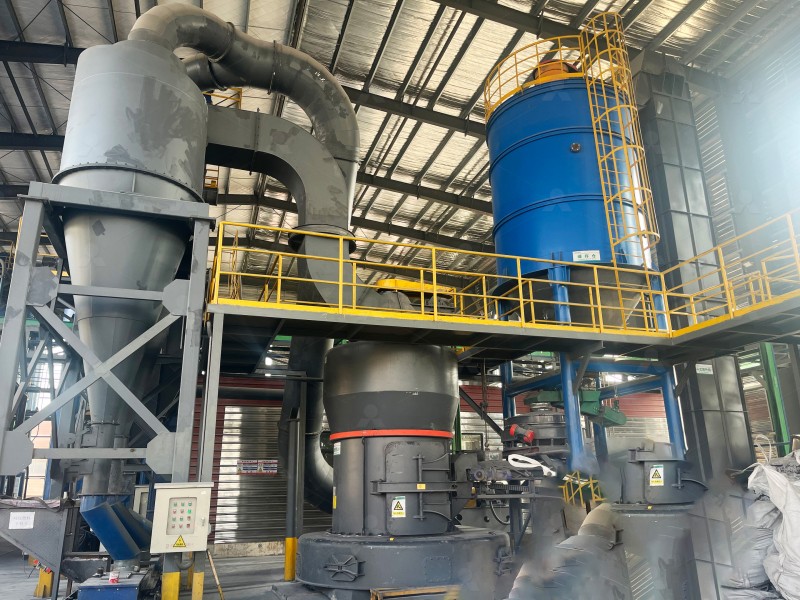
For these broader industrial applications where volume and efficiency are also critical, our LUM Ultrafine Vertical Grinding Mill offers a powerful alternative. Its unique roller shell and lining plate grinding curve generates a stable material layer for high-yield, single-pass milling. The PLC control system and multi-head powder separating technology provide unparalleled control over fineness while reducing energy consumption by 30%-50% compared to conventional mills, making it a cost-effective choice for large-scale production.
Conclusion
The clarity of a video call, the speed of a financial transaction, and the reliability of global internet infrastructure all trace back to the quality of quartz powder. In an industry where perfection is the standard, investing in the right grinding technology is not an operational cost—it’s a strategic imperative. Achieving the necessary purity and fineness is the first, and most crucial, step in building the connected world of tomorrow.