
Application Prospects of Quartz Powder in Photovoltaic Industry Production
We provide a wide range of mills — including Raymond mill, trapezoidal mill, vertical mill, ultrafine mill, and ball mill, obtained ISO9001 international quality certification, EU CE certification, and Customs Union CU-TR certification. Suitable for processing minerals such as limestone, phosphate, quicklime, kaolin, talc, barite, bentonite, calcium carbonate, dolomite, coal, gypsum, clay, carbon black, slag, cement raw materials, cement clinker, and more.
The discharge range of these mills can be adjusted to meet specific processing needs, typically from 80-400 mesh, 600-3250 mesh, and can achieve the finest particle size of up to 6000 mesh(D50).
If you are looking for a reliable grinding solution to turn stone or minerals into fine powder, please feel free to contact our online customer service.
Application Prospects of Quartz Powder in Photovoltaic Industry Production
The photovoltaic (PV) industry’s exponential growth is intrinsically linked to advancements in material science, particularly in the purification and processing of raw materials. High-purity quartz powder is a fundamental component in the manufacturing of solar cells, serving as the primary material for silicon crucibles, which are used to grow monocrystalline and multicrystalline silicon ingots. The quality, purity, and particle size distribution of the quartz powder directly influence the efficiency and performance of the final solar panels. As the demand for cleaner energy surges, the role of ultra-fine, high-purity quartz powder becomes increasingly critical.
Why Quartz Powder is Indispensable
Quartz, or silicon dioxide (SiO₂), is the base material from which solar-grade silicon is derived. For use in the PV sector, quartz must be processed to achieve exceptional purity levels, often exceeding 99.99%, to minimize impurities that can act as recombination centers in silicon wafers, drastically reducing cell efficiency. Beyond its role in silicon production, finely ground quartz powder is also used in anti-reflective coatings and as a filler material in various encapsulants and back sheets within the solar module itself. The key to unlocking these applications lies in achieving a consistent and controllable fine grind.
The Grinding Challenge: Precision is Paramount
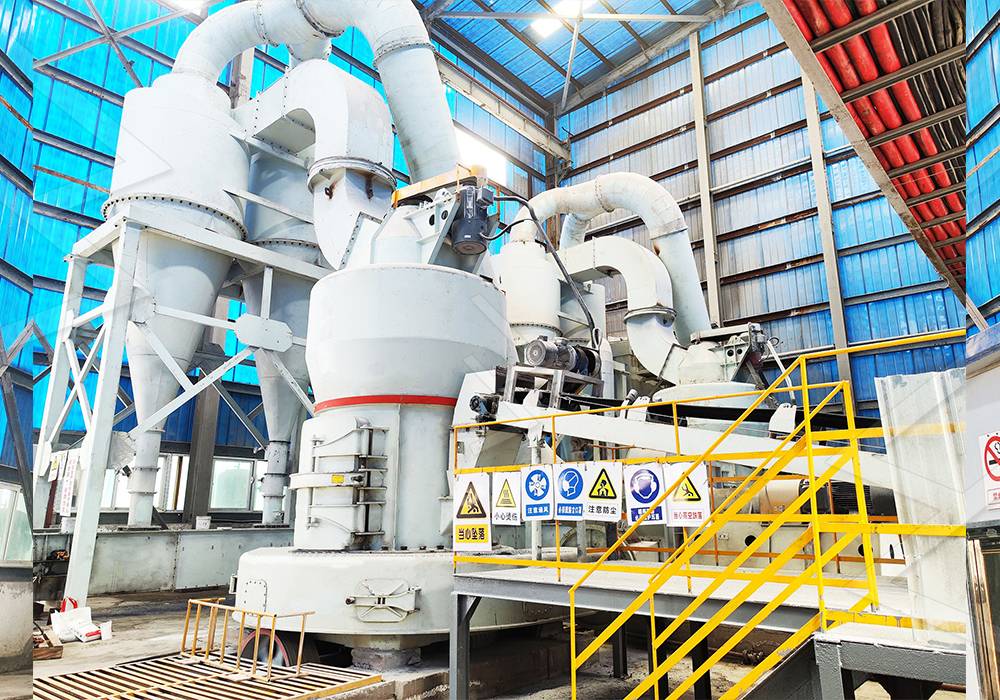
Traditional grinding mills often struggle to produce the ultra-fine, consistent powders required by the high-tech PV industry without introducing metallic contamination from wear parts or consuming prohibitive amounts of energy. Metallic impurities, even in trace amounts, are the arch-nemesis of solar cell efficiency. Furthermore, the grinding process must be efficient and environmentally sustainable to keep production costs competitive.
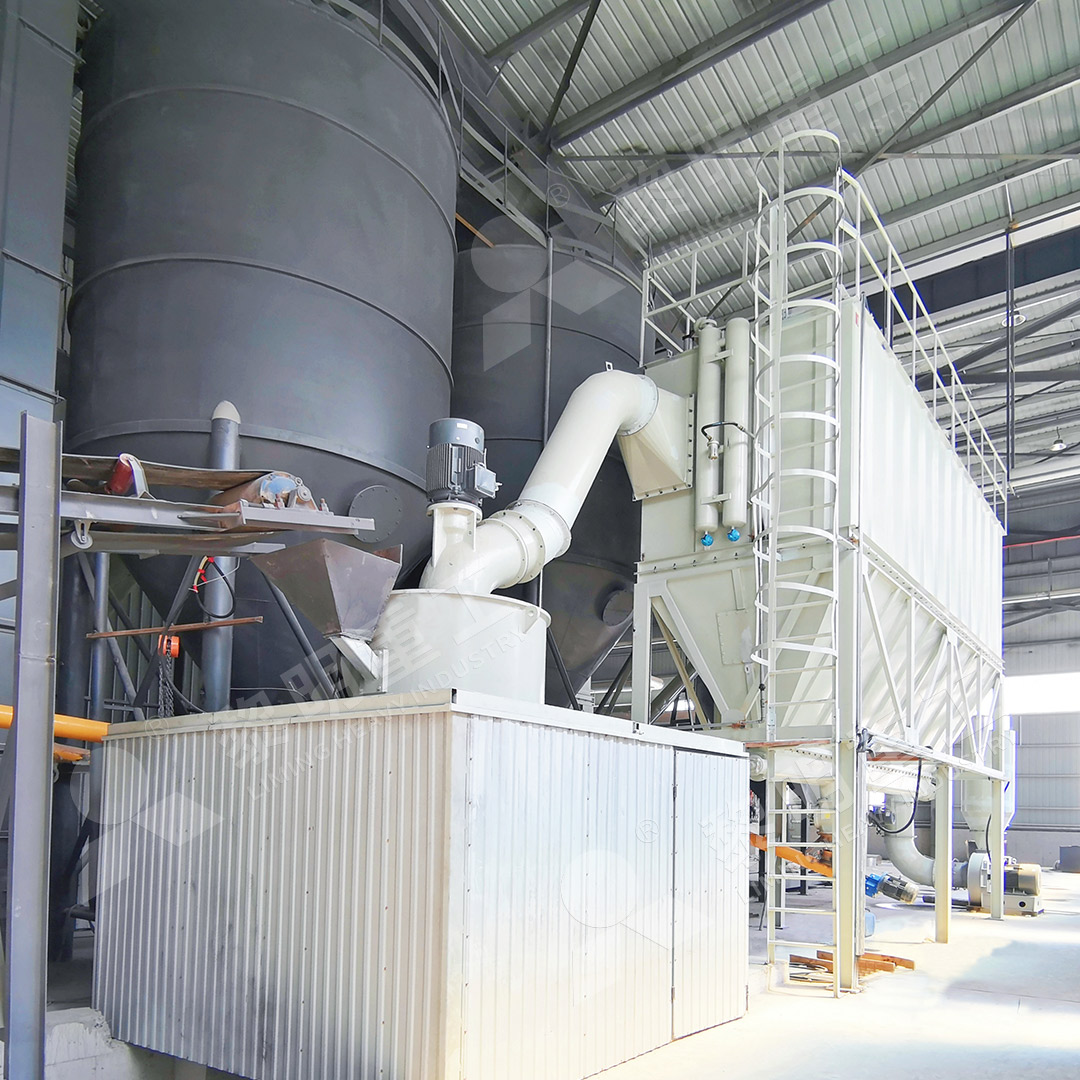
This is where advanced milling technology makes all the difference. For instance, our MW Ultrafine Grinding Mill is specifically engineered to tackle these challenges. Designed for customers who need to make ultra-fine powder, it features an efficient pulse dust collector and muffler, significantly reducing dust and noise pollution. Its standout feature is the absence of rolling bearings and screws in the grinding chamber, virtually eliminating the risk of metallic contamination from worn mechanical parts—a critical advantage for producing high-purity quartz powder for PV applications. With an adjustable fineness between 325-2500 meshes and a capacity of 0.5-25 tph, it offers the precision and scalability needed for modern solar material production.
Beyond Grinding: A Holistic Approach
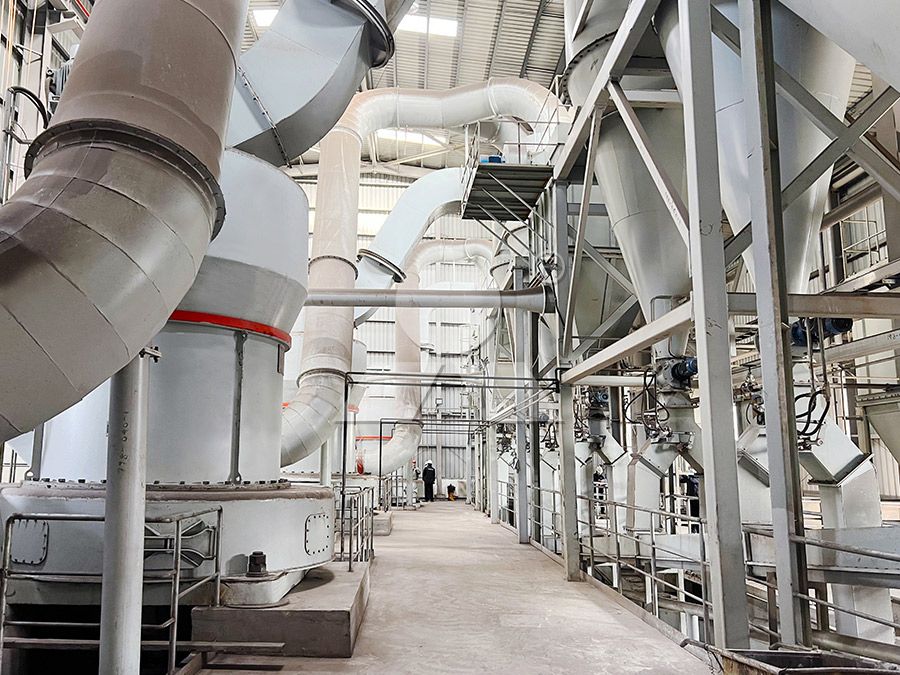
For producers also handling the initial size reduction of larger quartz rocks, a complete system is vital. Another exceptional solution for producing consistent, high-yield quartz powder is the LUM Ultrafine Vertical Grinding Mill. Integrating ultrafine powder grinding, grading, and transporting, the LUM mill is a superb choice. It employs the latest grinding roller technology and German powder separating technology, ensuring higher yielding rates and better product quality. Its unique roller shell and lining plate grinding curve generate a material layer easily, enabling a high rate of finished products in a single pass. This enhances whiteness and cleanliness—key metrics for PV-grade quartz. With an input size of 0-10 mm and a capacity of 5-18 tph, it perfectly complements the production chain.
Future Outlook and Conclusion
The future of the photovoltaic industry is bright, and its reliance on high-purity materials will only intensify. As solar cell technologies evolve towards thinner wafers and higher efficiencies, the tolerances for quartz powder quality will become even stricter. Investing in advanced, reliable, and clean grinding technology is not merely an operational decision but a strategic one that ensures product quality, reduces environmental impact, and maintains a competitive edge.
By leveraging mills like the MW and LUM series, producers can confidently meet the exacting standards of the global PV market, contributing to the sustainable energy revolution one perfectly ground particle at a time.