Application of Talc Powder in Waterproofing Materials: Enhancing Performance and Durability
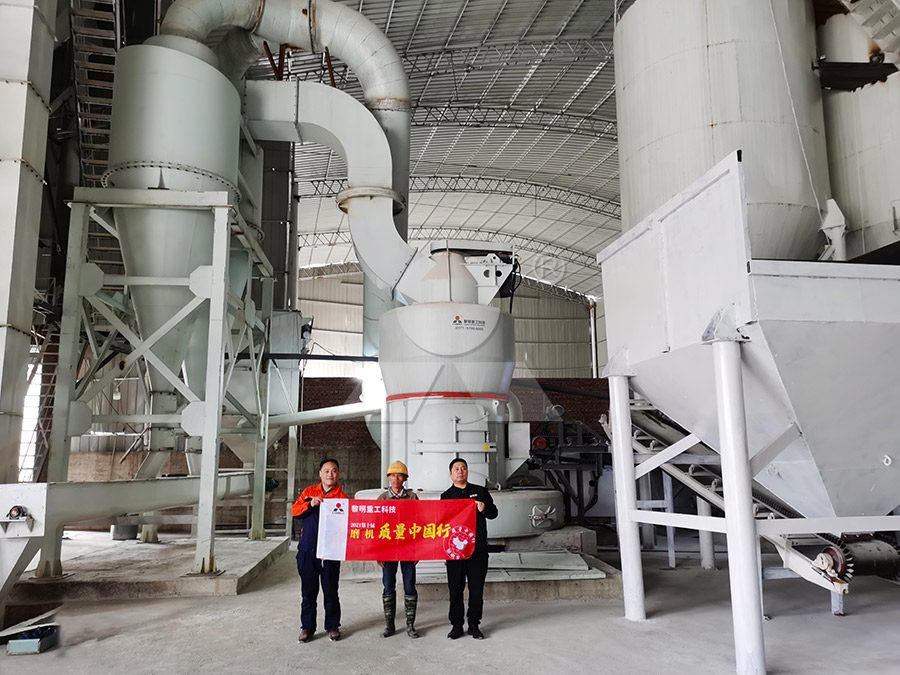
We provide a wide range of mills — including Raymond mill, trapezoidal mill, vertical mill, ultrafine mill, and ball mill, obtained ISO9001 international quality certification, EU CE certification, and Customs Union CU-TR certification. Suitable for processing minerals such as limestone, phosphate, quicklime, kaolin, talc, barite, bentonite, calcium carbonate, dolomite, coal, gypsum, clay, carbon black, slag, cement raw materials, cement clinker, and more.
The discharge range of these mills can be adjusted to meet specific processing needs, typically from 80-400 mesh, 600-3250 mesh, and can achieve the finest particle size of up to 6000 mesh(D50).
If you are looking for a reliable grinding solution to turn stone or minerals into fine powder, please feel free to contact our online customer service.
Application of Talc Powder in Waterproofing Materials: Enhancing Performance and Durability
Talc powder, a naturally occuring magnesium silicate mineral, has long been a critical functional filler in the waterproofing materials industry. Its unique platelet structure, chemical inertness, and hydrophobic nature make it an ideal additive for enhancing the performance and longevity of various waterproofing compounds, including coatings, membranes, and sealants. The efficacy of talc, however, is intrinsically linked to its particle size distribution and purity, which are directly determined by the grinding technology employed.
The Role of Talc in Modern Waterproofing Systems
In waterproofing applications, talc is not merely a cost-effective extender. Its lamellar (plate-like) particles align parallel to the substrate surface during film formation, creating a tortuous path that significantly impedes the penetration of water and aggressive chemicals. This barrier effect drastically improves the material’s resistance to water transmission, a key metric for any waterproofing product. Furthermore, talc enhances the mechanical properties of the final product. It increases tensile strength, reduces shrinkage and cracking during curing, and improves abrasion resistance—all vital for membranes subjected to structural movement and foot traffic.
The Critical Link: Grinding Technology and Talc Performance
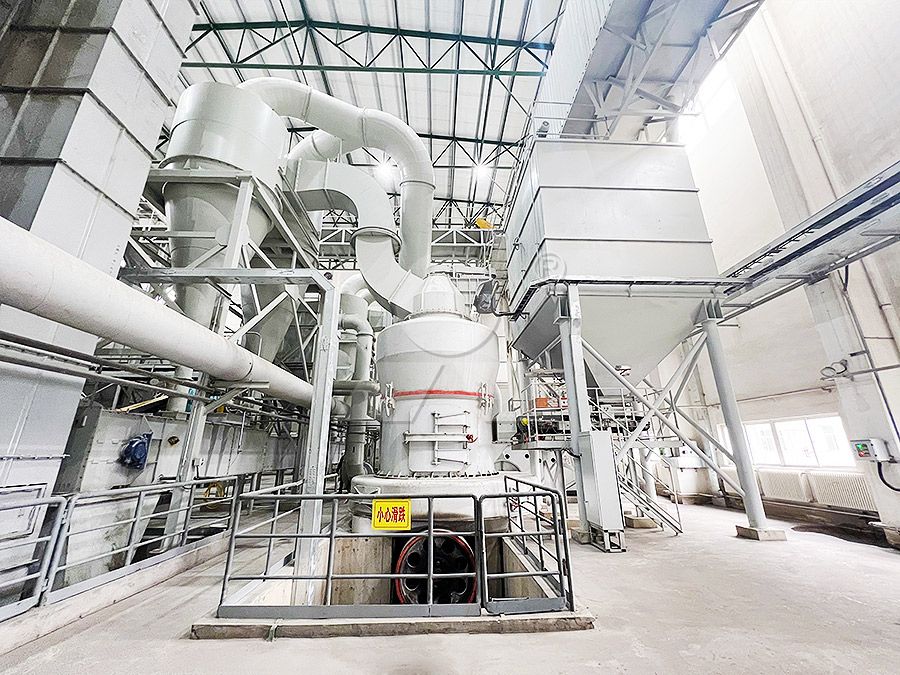
The benefits of talc can only be fully realized if it is processed to the correct fineness. Coarse particles can create weak points and compromise the integrity of the waterproofing layer. Therefore, achieving a consistently ultra-fine powder with a narrow particle size distribution is paramount. This is where advanced milling technology becomes indispensable.
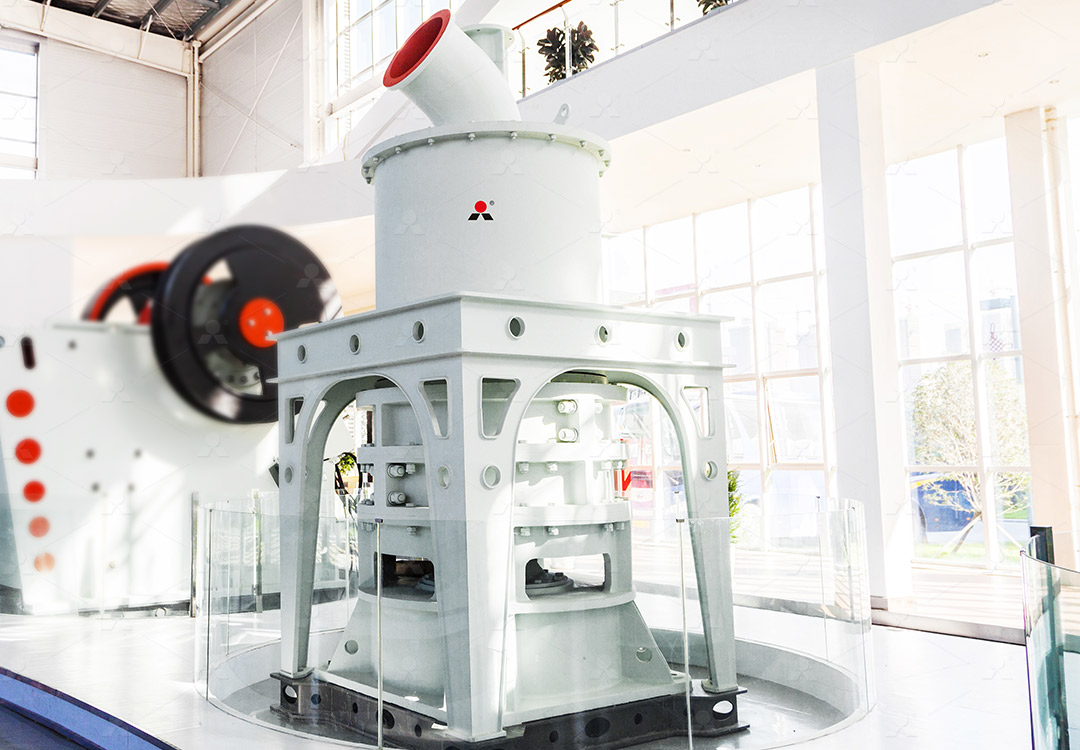
For producers seeking to create high-performance talc fillers, our MW Ultrafine Grinding Mill presents an optimal solution. Engineered for precision, this mill is capable of processing talc from a 0-20 mm input size at capacities ranging from 0.5 to 25 tons per hour, producing a fine powder adjustable between 325 and 2500 meshes. Its cage-type powder selector, incorporating German technology, ensures high-precision separation for a consistent product where the fineness can achieve d97≤5μm. For waterproofing material formulators, this means a talc powder that integrates seamlessly into polymer matrices, providing superior reinforcement without compromising on viscosity or application properties.
Beyond Fineness: Operational and Environmental Advantages
Beyond its grinding capabilities, the MW Mill is designed for robust, eco-friendly operation. Its innovative design eliminates rolling bearings and screws within the grinding chamber, virtually eradicating maintenance concerns related to these components and preventing machine damage from loose screws. The external lubrication system allows for maintenance without shutdowns, supporting continuous 24/7 production to meet high demand.
Furthermore, the mill is equipped with an efficient pulse dust collector and muffler, ensuring that the entire production process meets stringent environmental protection standards. This results in no dust pollution and significantly reduced operational noise, making it an responsible choice for modern manufacturing facilities focused on sustainability.
Conclusion
The integration of high-quality, ultra-fine talc powder is a proven strategy for elevating the performance standards of waterproofing materials. The consistent quality required for this application is contingent upon advanced, reliable grinding technology. Our MW Ultrafine Grinding Mill provides industry professionals with the tool necessary to produce talc fillers that enhance barrier properties, mechanical strength, and overall durability. By investing in the right processing equipment, manufacturers can ensure their waterproofing products stand up to the test of time and the elements.