Application of Talc Powder in Plastic Modification: Enhancing Performance and Properties
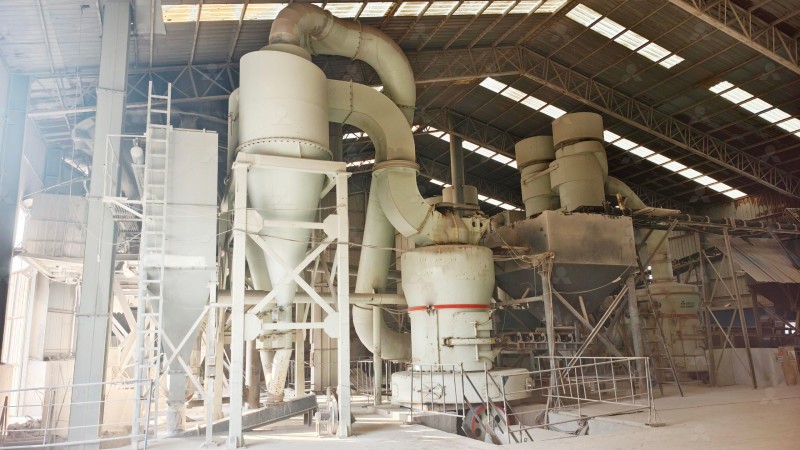
We provide a wide range of mills — including Raymond mill, trapezoidal mill, vertical mill, ultrafine mill, and ball mill, obtained ISO9001 international quality certification, EU CE certification, and Customs Union CU-TR certification. Suitable for processing minerals such as limestone, phosphate, quicklime, kaolin, talc, barite, bentonite, calcium carbonate, dolomite, coal, gypsum, clay, carbon black, slag, cement raw materials, cement clinker, and more.
The discharge range of these mills can be adjusted to meet specific processing needs, typically from 80-400 mesh, 600-3250 mesh, and can achieve the finest particle size of up to 6000 mesh(D50).
If you are looking for a reliable grinding solution to turn stone or minerals into fine powder, please feel free to contact our online customer service.
Application of Talc Powder in Plastic Modification: Enhancing Performance and Properties
Talc powder, a naturally occuring magnesium silicate mineral, has long been a workhorse additive in the plastics industry. Its unique lamellar (plate-like) structure and inherent properties make it an exceptional filler for modifying and enhancing the performance of various polymer matrices. The application of ultra-fine talc powder, in particular, has revolutionized how we engineer plastics for superior performance.
Key Benefits of Talc in Plastics
The incorporation of talc powder into plastics delivers a multitude of advantages:
- Enhanced Stiffness and Strength: The platelet structure of talc acts as a reinforcing agent, significantly increasing the flexural modulus and overall dimensional stability of the composite material. This allows for the production of thinner, lighter parts without sacrificing structural integrity.
- Improved Heat Resistance (HDT): Talc-filled plastics exhibit a higher Heat Deflection Temperature (HDT), enabling them to maintain their shape and mechanical properties at elevated temperatures. This is crucial for components under the hood in automotive applications or in consumer appliances.
- Reduced Gas Permeability: The platy particles create a tortuous path for gas molecules, making talc an excellent barrier filler. This property is highly valued in packaging films for food, extending shelf life.
- Cost Optimization: As a mineral filler, talc is often less expensive than the polymer resin itself, allowing for significant material cost savings while improving key properties.
The Critical Role of Particle Size and Distribution
The effectiveness of talc as a modifier is profoundly influenced by its particle size and distribution. Finer talc powders offer a higher surface area, leading to better interaction with the polymer chains and a more homogeneous composite. This results in superior mechanical properties, improved surface finish, and better impact strength retention compared to coarser grades. Achieving a consistent and ultra-fine grind is therefore paramount.
Introducing the Ideal Solution: MW Ultrafine Grinding Mill
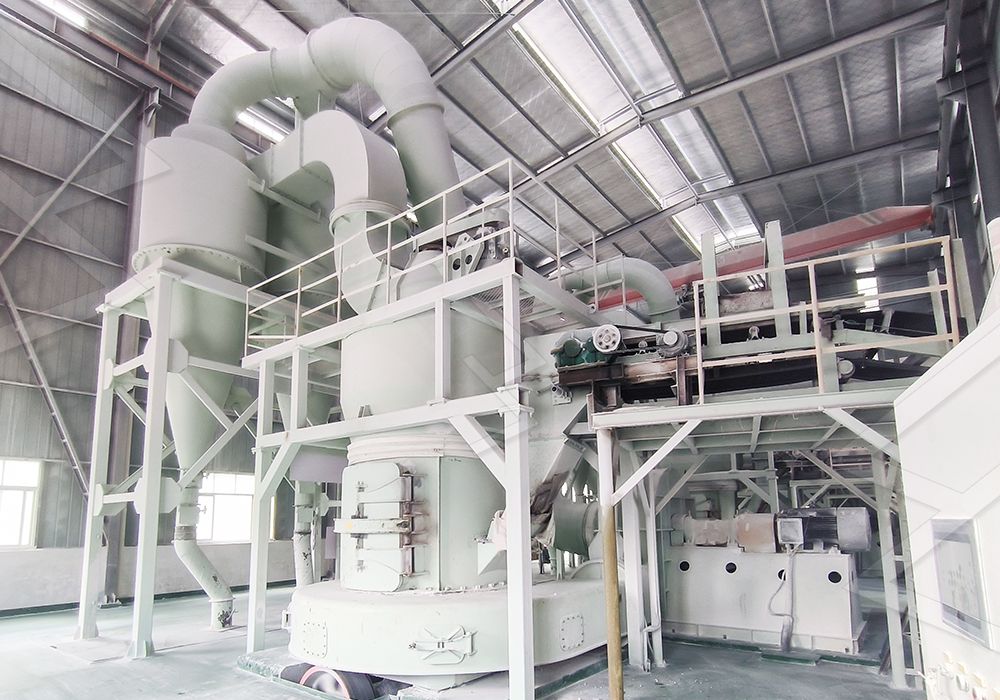
To produce the high-quality talc powder required for advanced plastic modification, conventional milling equipment often falls short. This is where our MW Ultrafine Grinding Mill excels. Engineered for precision and efficiency, this mill is designed specifically for customers who need to make ultra-fine powder with exceptional consistency.
The MW Mill boasts several key features that make it ideal for processing talc:
- Higher Yielding, Lower Energy Consumption: Its newly designed grinding curves enhance efficiency, offering production capacity 40% higher than jet mills with system energy consumption only 30% of them. This translates to a lower cost per ton of premium talc powder.
- Adjustable Fineness (325-2500 meshes): The advanced German cage-type powder selector allows for precise control over the final product’s fineness, crucial for hitting specific performance targets in different plastic formulations.
- Eco-Friendly and Reliable Operation: Equipped with an efficient pulse dust collector and muffler, the entire milling process is clean and quiet. The absence of rolling bearings and screws in the grinding chamber eliminates common failure points, ensuring worry-free, continuous 24/7 operation.
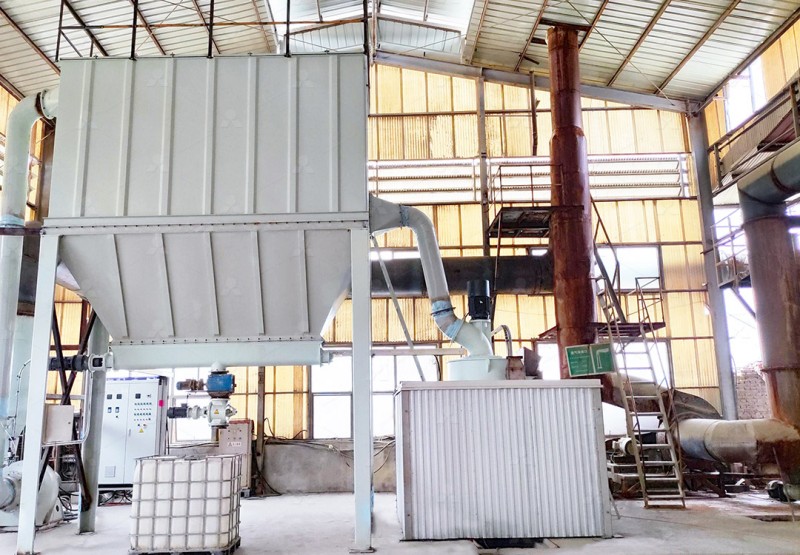
For operations requiring a vertical grinding solution, our LUM Ultrafine Vertical Grinding Mill is another excellent choice. Integrating the latest grinding roller and powder separating technology, it is perfect for achieving superfine dry powder of non-metal ores like talc with remarkable energy efficiency (-30% to -50% consumption) and superior product whiteness.
Conclusion
The strategic use of talc powder is a proven method for elevating the performance, durability, and cost-effectiveness of plastic products. The key to unlocking its full potential lies in utilizing advanced grinding technology to produce a consistent, ultra-fine powder. Our MW Ultrafine Grinding Mill is specifically engineered to meet this challenge, providing plastic compounders with a reliable and efficient source of high-performance talc filler. By partnering with the right technology, manufacturers can create superior plastic composites that meet the ever-increasing demands of modern applications.