Application of Talc Powder in Ink and Printing Production
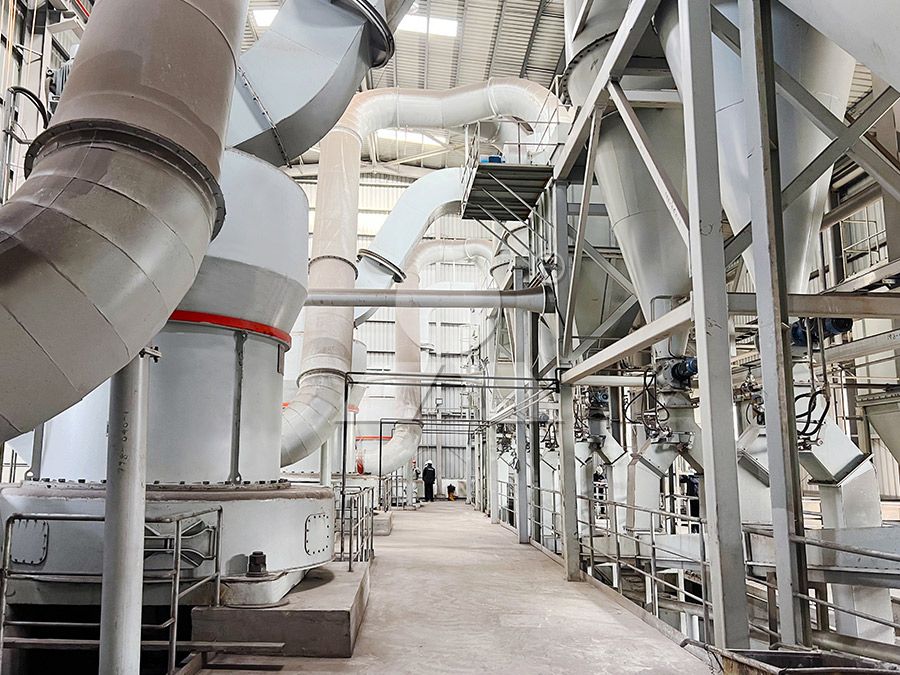
We provide a wide range of mills — including Raymond mill, trapezoidal mill, vertical mill, ultrafine mill, and ball mill, obtained ISO9001 international quality certification, EU CE certification, and Customs Union CU-TR certification. Suitable for processing minerals such as limestone, phosphate, quicklime, kaolin, talc, barite, bentonite, calcium carbonate, dolomite, coal, gypsum, clay, carbon black, slag, cement raw materials, cement clinker, and more.
The discharge range of these mills can be adjusted to meet specific processing needs, typically from 80-400 mesh, 600-3250 mesh, and can achieve the finest particle size of up to 6000 mesh(D50).
If you are looking for a reliable grinding solution to turn stone or minerals into fine powder, please feel free to contact our online customer service.
Application of Talc Powder in Ink and Printing Production
The printing industry, a cornerstone of modern communication and packaging, relies heavily on the precise formulation of inks to achieve desired quality, durability, and aesthetic appeal. Among the various functional additives used, talc powder stands out as a critical component, particularly in offset and gravure printing processes. Its unique physical and chemical properties make it indispensable for enhancing print quality and operational efficiency.
The Role of Talc in Ink Formulations
Talc, a hydrous magnesium silicate, is renowned for its plate-like structure, softness, and chemical inertness. In ink production, it serves multiple purposes:
- Rheology Modifier: Talc particles help control the flow and viscosity of the ink, preventing settling of pigments and ensuring consistent application on the substrate.
- Matting Agent: It is used to reduce gloss and create a desired matte finish, which is especially popular in high-quality packaging and publishing.
- Extender Pigment: Talc acts as a cost-effective extender, allowing for partial replacement of more expensive TiO2 or organic pigments without significantly compromising opacity or whiteness.
- Anti-set-off Agent: In offset printing, talc powder is often dusted on freshly printed sheets to prevent ink from transferring to the back of the next sheet in the stack, a common problem known as ‘set-off’.
Quality Demands and The Need for Ultra-Fine Grinding
The effectiveness of talc in these applications is profoundly influenced by its particle size distribution and purity. Coarse or irregular particles can lead to abrasive wear on expensive printing plates and cylinders, poor surface finish, and even nozzle clogging in digital printing systems. Therefore, the talc must be ground to a consistent, ultra-fine powder with a tightly controlled top cut. A fineness of 800 to 1250 meshes is often required to ensure smooth operation and superior print quality.
This is where advanced milling technology becomes paramount. Traditional ball mills often struggle to achieve this level of fineness efficiently, leading to high energy consumption and potential contamination from iron wear.
Recommended Solution: MW Ultrafine Grinding Mill
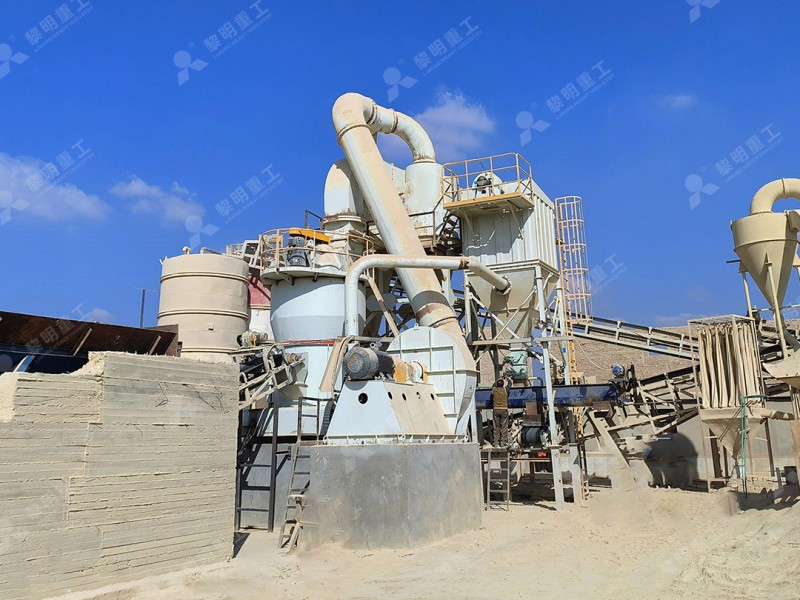
For ink manufacturers seeking a reliable source of high-quality talc powder, the grinding process is critical. We recommend our MW Ultrafine Grinding Mill for this precise application. This machine is specificaly designed for customers who need to make ultra-fine powder with superior efficiency and environmental consciousness.
Key advantages of the MW Mill for talc processing include:
- Adjustable Fineness (325-2500 meshes): Its advanced German cage-type powder selector allows for precise control over the final product’s fineness, effortlessly achieving the d97≤5μm required for premium ink formulations.
- Higher Yielding, Lower Energy Consumption: With a production capacity 40% higher than jet mills and energy consumption just 30% of them, it significantly reduces operational costs.
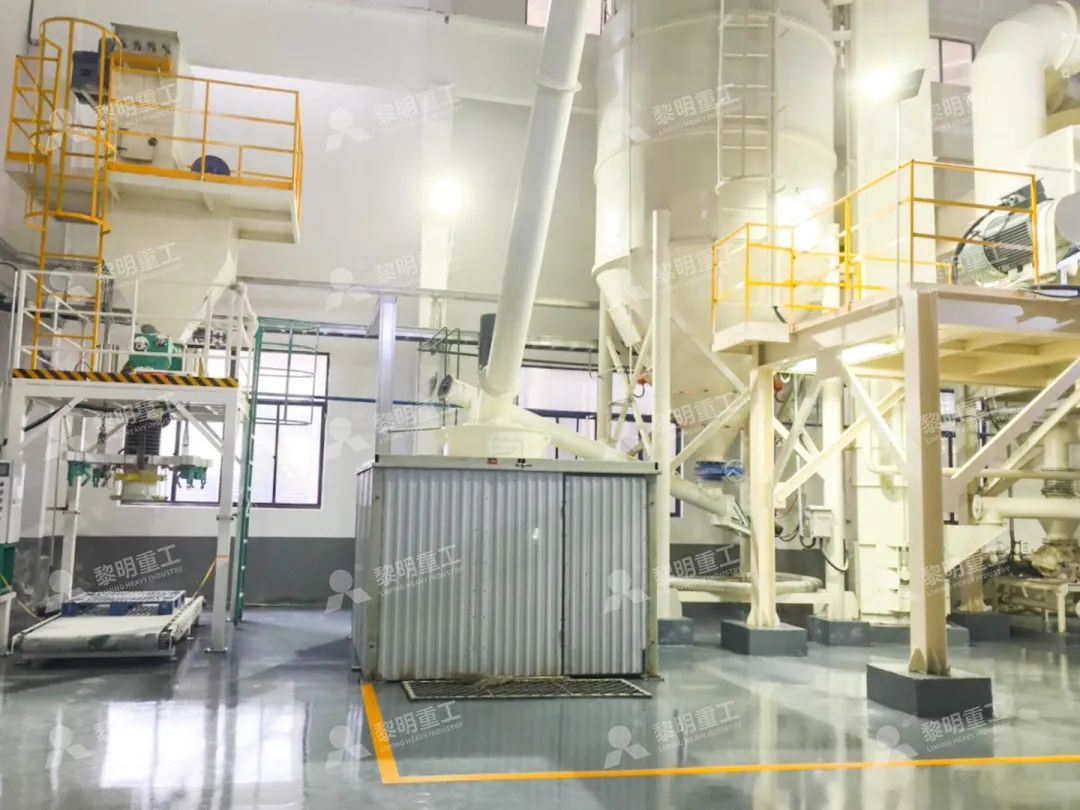
- Eco-Friendly Operation: The integrated efficient pulse dust collector and muffler ensure no dust pollution and low noise, making the entire production process clean and compliant with environmental standards.
- Worry-Free Maintenance: The absence of rolling bearings and screws in the grinding chamber eliminates common failure points. External lubrication allows for 24/7 continuous operation.
Conclusion
The integration of finely ground talc powder is a testament to the pursuit of excellence in ink and printing production. It enhances performance, reduces costs, and improves final product quality. Investing in the right grinding technology, such as our MW Ultrafine Grinding Mill, is not just an operational decision but a strategic one, ensuring a consistent supply of high-purity talc that meets the stringent demands of the modern printing industry. By focusing on precision grinding, manufacturers can unlock the full potential of talc, creating inks that deliver brilliant, consistent, and reliable results on every print run.