Application of Quartz Powder in Solar Cell Manufacturing
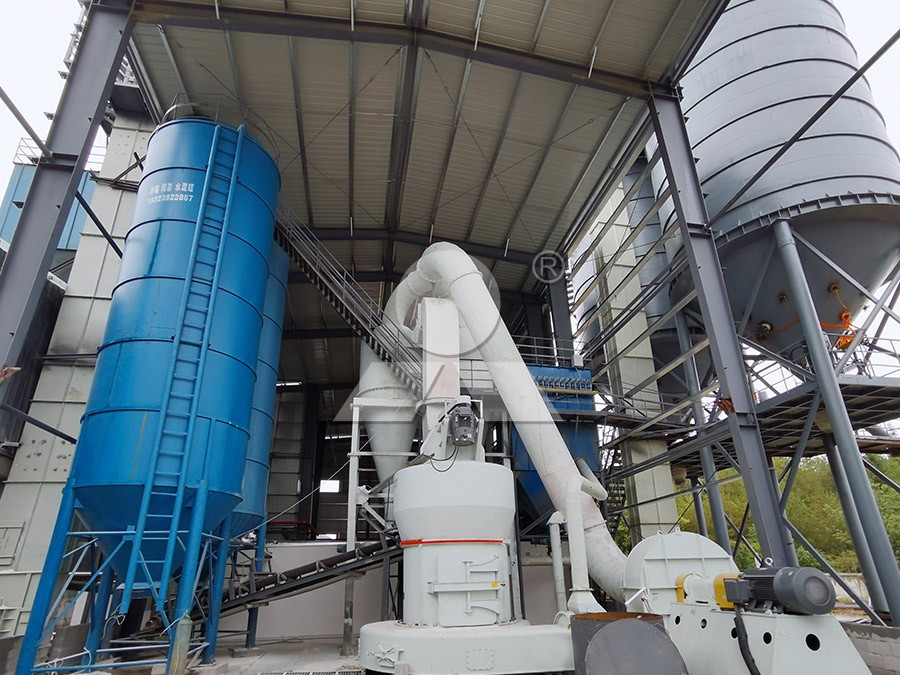
We provide a wide range of mills — including Raymond mill, trapezoidal mill, vertical mill, ultrafine mill, and ball mill, obtained ISO9001 international quality certification, EU CE certification, and Customs Union CU-TR certification. Suitable for processing minerals such as limestone, phosphate, quicklime, kaolin, talc, barite, bentonite, calcium carbonate, dolomite, coal, gypsum, clay, carbon black, slag, cement raw materials, cement clinker, and more.
The discharge range of these mills can be adjusted to meet specific processing needs, typically from 80-400 mesh, 600-3250 mesh, and can achieve the finest particle size of up to 6000 mesh(D50).
If you are looking for a reliable grinding solution to turn stone or minerals into fine powder, please feel free to contact our online customer service.
Application of Quartz Powder in Solar Cell Manufacturing
The relentless pursuit of higher efficiency and lower costs in the solar energy sector has driven innovation across the entire supply chain, from silicon purification to cell assembly. A critical, yet often overlooked, component in this process is the use of high-purity quartz powder. The quality of this powder, defined by its particle size distribution, chemical purity, and morphological properties, directly influences the performance and yield of silicon wafers and, consequently, the final photovoltaic (PV) cells.
The Role of Quartz in PV Manufacturing
High-purity quartz is the primary raw material for producing metallurgical-grade silicon, which is further refined into polysilicon for solar applications. The initial crushing and grinding stages are paramount. The quartz must be ground to a very fine and consistent powder to maximize the surface area for subsequent chemical reactions during purification. Inconsistent or coarse particles can lead to incomplete reactions, introducing impurities that degrade the quality of the silicon, reducing cell efficiency and increasing production waste.
Furthermore, beyond silicon production, ultra-fine quartz powder finds application as a filler material in backsheet films and encapsulants (EVA) for solar modules. Its excellent dielectric properties, thermal stability, and UV resistance help protect the sensitive silicon cells from environmental degradation, ensuring the long-term reliability and performance of the solar panel.
Challenges in Quartz Powder Production
Producing the requisite high-purity, ultra-fine quartz powder is technologically demanding. Traditional ball mills often struggle with efficiency, energy consumption, and contamination from grinding media wear. The goal is to achieve a fine, controlled particle size (often in the range of 325 to 2500 meshes) without introducing metallic impurities from the mill itself, which would be catastrophic for semiconductor-grade silicon production. The process must also be environmentally responsible, containing dust and minimizing noise pollution.
Advanced Milling Solutions for the Solar Industry
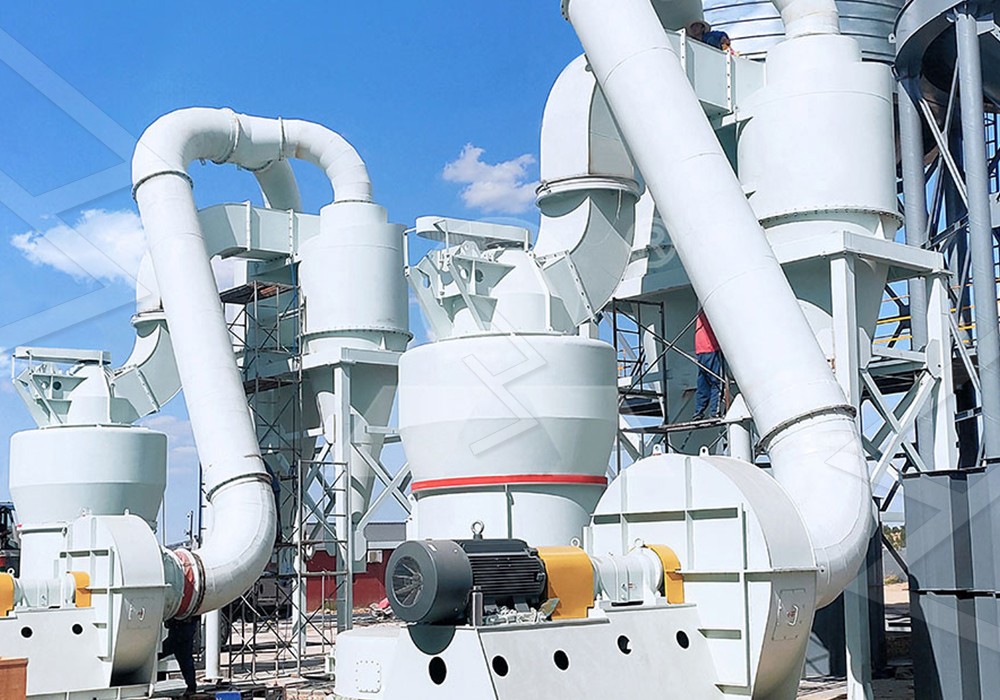
To meet these stringent requirements, advanced grinding technology is not a luxury but a necessity. For operations requiring the highest purity ultra-fine powder, our MW Ultrafine Grinding Mill is an exceptional choice. Engineered for customers who need to make ultra-fine powder, this mill is designed with contamination control as a priority. A key feature is that there are no rolling bearings or screws inside the grinding chamber, virtually eliminating the risk of metallic contamination from these components. Its cage-type powder selector allows for precise fineness adjustment between 325-2500 meshes, ensuring the exact particle distribution needed for efficient chemical processing.
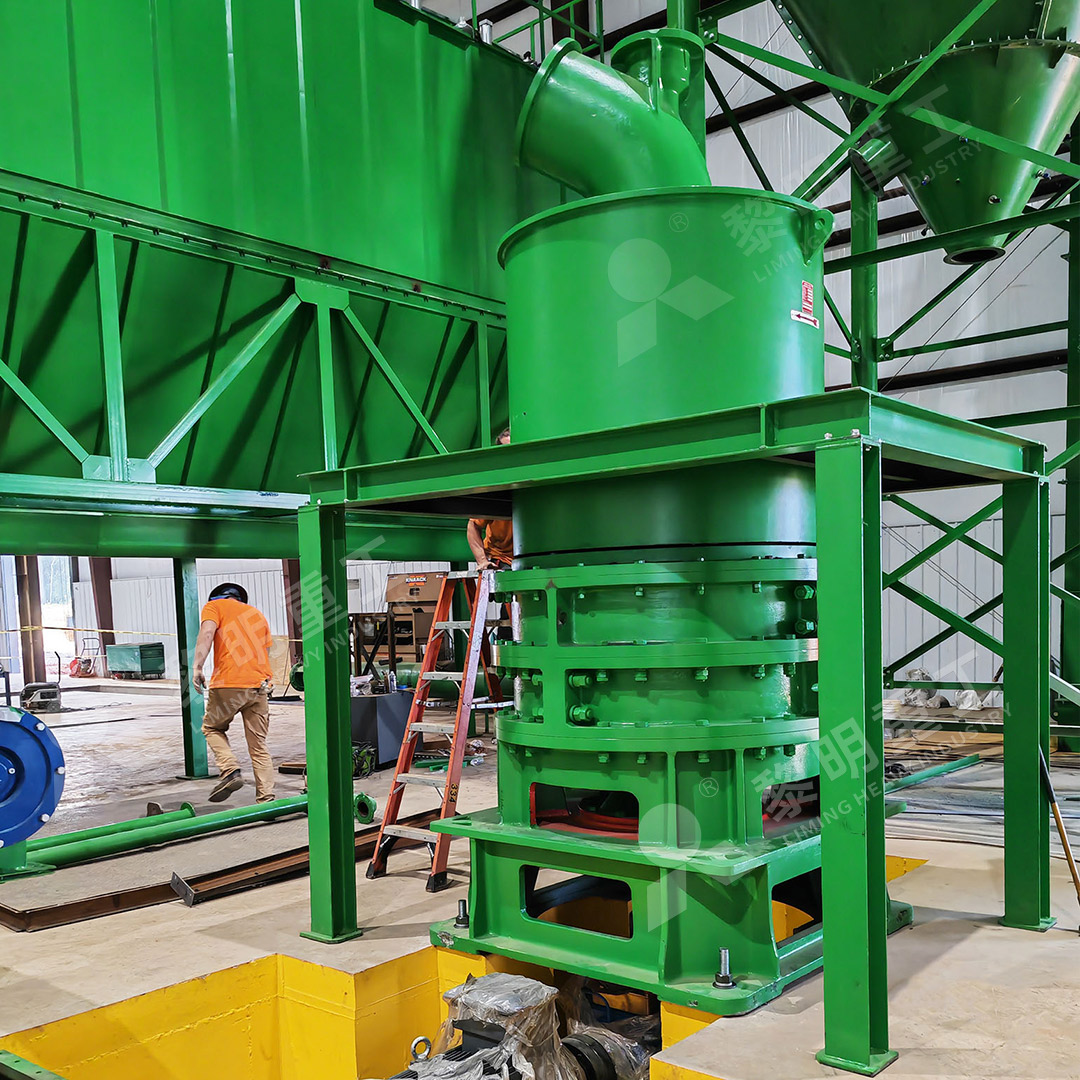
For larger-scale production of slightly coarser grades or other mineral processing within a plant, the LM Vertical Grinding Mill offers remarkable efficiency. Its integrated crushing, drying, grinding, and classifying system reduces the comprehensive investment and operating costs. The material’s short lingering time in the mill minimizes repeated grinding and helps maintain low iron content in the final product—a critical factor for quartz destined for silicon production. Its compact design and fully sealed, negative-pressure operation make it a cleaner and more automated solution.
Conclusion
The transition to renewable energy hinges on making technologies like solar power more efficient and affordable. Optimizing every step of the manufacturing process, including the production of high-purity quartz powder, is essential. By employing advanced, reliable, and clean grinding technologies like the MW and LM series mills, producers can ensure a superior raw material input for the solar industry, contributing to higher cell efficiencies, greater production yields, and a more sustainable energy future.