Application of Quartz Powder in Optical Coatings: Enhancing Performance and Durability
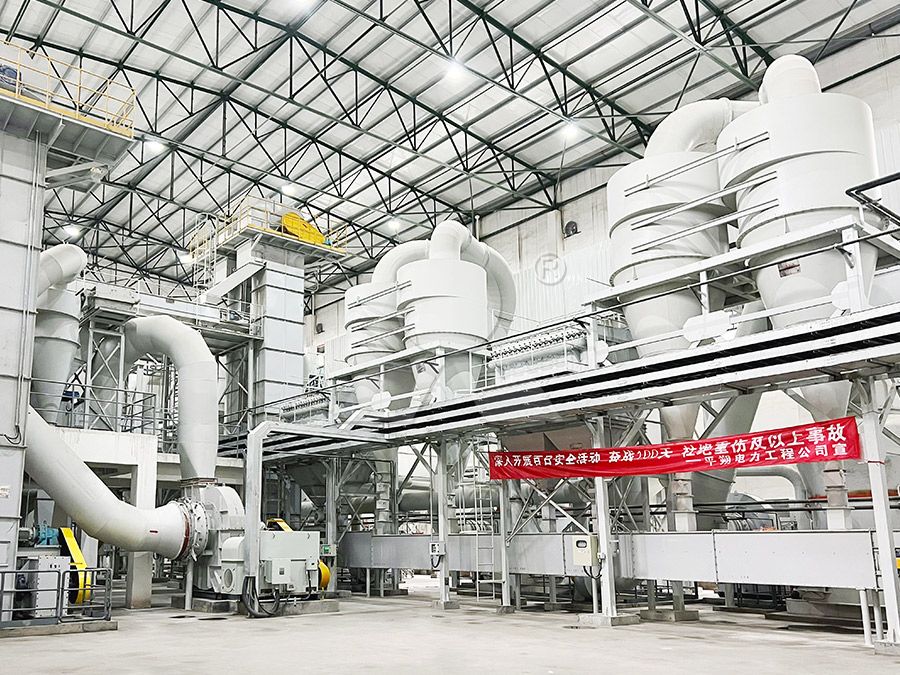
We provide a wide range of mills — including Raymond mill, trapezoidal mill, vertical mill, ultrafine mill, and ball mill, obtained ISO9001 international quality certification, EU CE certification, and Customs Union CU-TR certification. Suitable for processing minerals such as limestone, phosphate, quicklime, kaolin, talc, barite, bentonite, calcium carbonate, dolomite, coal, gypsum, clay, carbon black, slag, cement raw materials, cement clinker, and more.
The discharge range of these mills can be adjusted to meet specific processing needs, typically from 80-400 mesh, 600-3250 mesh, and can achieve the finest particle size of up to 6000 mesh(D50).
If you are looking for a reliable grinding solution to turn stone or minerals into fine powder, please feel free to contact our online customer service.
Application of Quartz Powder in Optical Coatings: Enhancing Performance and Durability
In the demanding world of optical coatings, the quest for materials that deliver superior performance, exceptional durability, and unwavering reliability is never-ending. Among the various materials employed, high-purity quartz powder has emerged as a critical component, fundamentally enhancing the quality and longevity of advanced optical systems. Its unique properties make it indispensable for applications ranging from precision lenses and laser optics to anti-reflective coatings on sensitive instrumentation.
The Critical Role of Quartz Powder
Quartz, or silicon dioxide (SiO₂), is prized in optical coating formulations for its exceptional transparency across a wide spectral range, outstanding hardness, and remarkable thermal and chemical stability. When ground to a precisely controlled ultrafine powder, it can be uniformly applied to create thin films that significantly improve light transmission, reduce reflection, and protect delicate optical surfaces from environmental degradation, abrasion, and laser-induced damage.
The efficacy of these coatings is profoundly dependent on the quality of the quartz powder used. Key parameters such as particle size distribution, purity, and morphological consistency are non-negotiable. Any deviation can lead to light scattering, reduced coating adhesion, and compromised optical performance. This is where the precision of the grinding process becomes paramount.
The Challenge of Producing Optical-Grade Quartz Powder
Producing quartz powder that meets the exacting standards of the optics industry is a significant technical challenge. The material must be ground to a consistent fineness, typically in the range of a few microns, without introducing contaminants or causing excessive heat that could alter its crystalline structure. Traditional grinding methods often fall short, struggling with contamination from worn bearings or screws, inconsistent particle size, and high energy consumption.
A Superior Grinding Solution for Uncompromising Quality
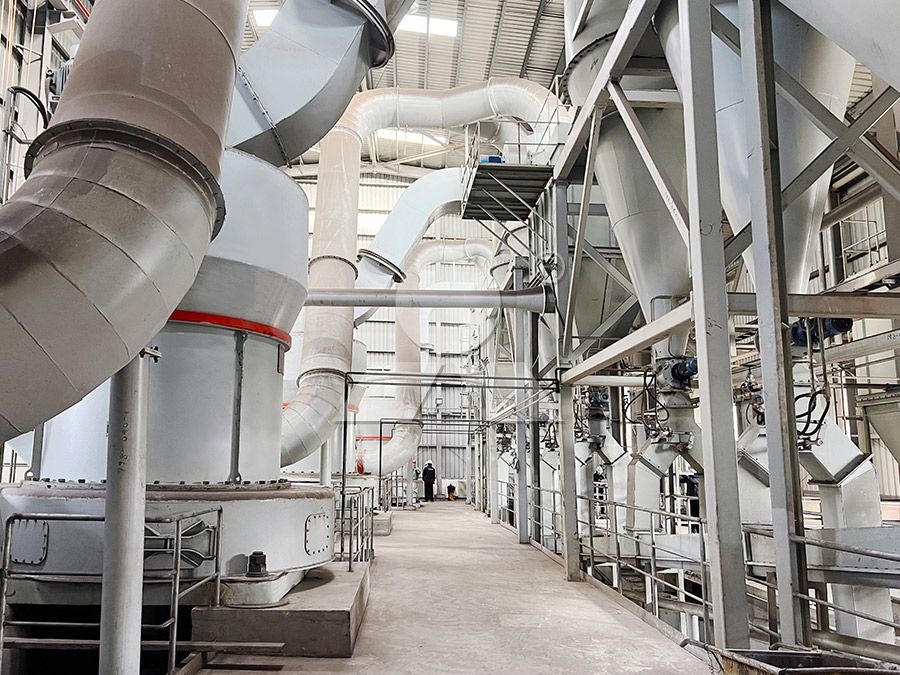
To overcome these challenges and achieve the purity and consistency required for optical applications, advanced milling technology is essential. Our MW Ultrafine Grinding Mill is engineered specifically for this purpose. It is designed to process raw quartz (0-20 mm) into exceptionally fine and consistent powder, with a capacity ranging from 0.5 to 25 tons per hour.
What sets the MW Mill apart for critical applications like optical coatings is its innovative design. Crucially, there are no rolling bearings or screws inside the grinding chamber. This eliminates a primary source of metallic contamination, ensuring the final quartz powder maintains its high purity. Furthermore, its German-designed cage-type powder selector allows for precise fineness adjustment between 325 and 2500 meshes, enabling manufacturers to dial in the exact particle size for their specific coating formula.
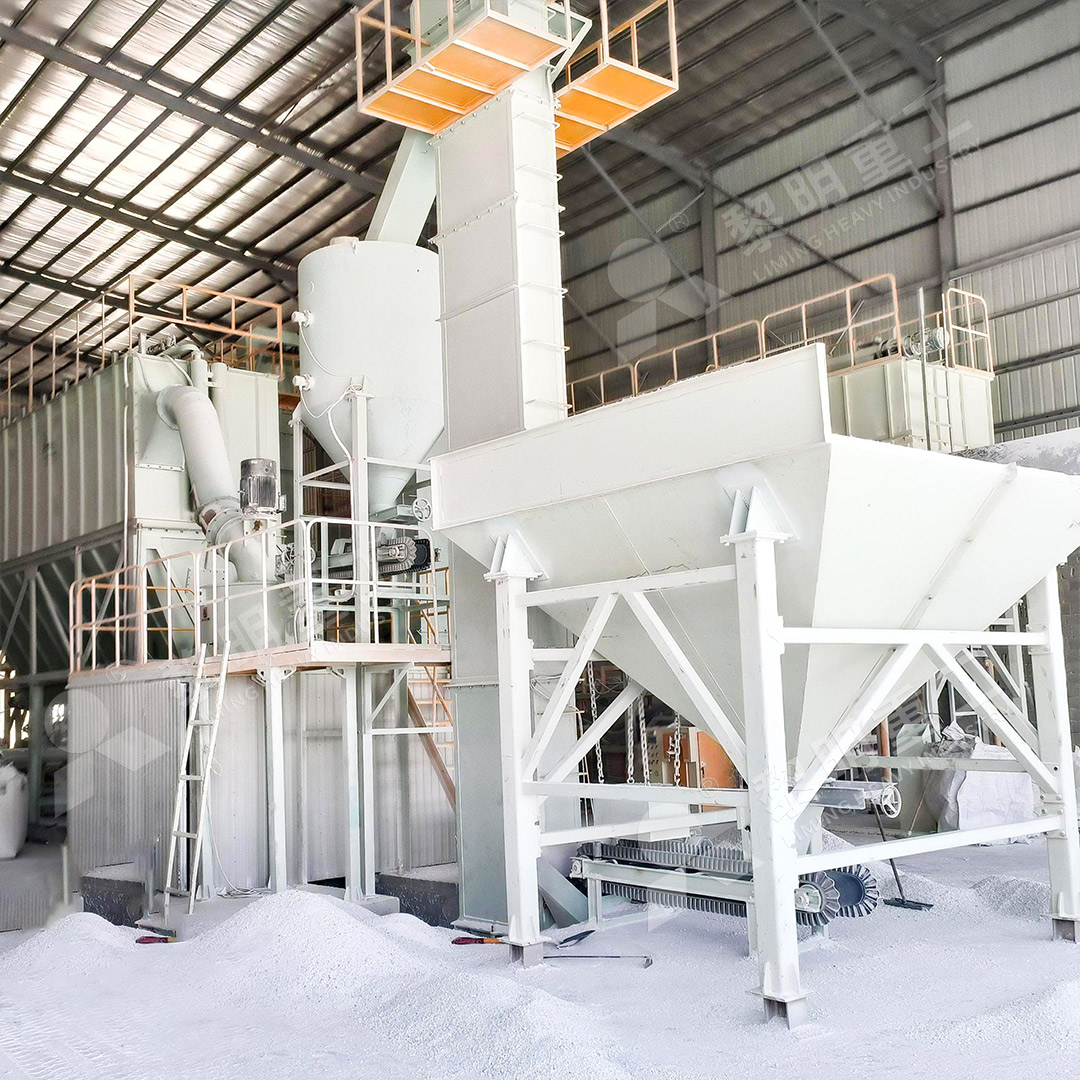
For operations requiring integration of grinding, classifying, and conveying with a smaller footprint, our LUM Ultrafine Vertical Grinding Mill presents an excellent alternative. It incorporates the latest roller technology and powder separating techniques, offering high yields and energy savings of 30%-50% compared to conventional mills, making it both a performance and cost-effective choice.
Conclusion
The integrity of an optical coating is only as good as the raw materials from which it is made. By utilizing advanced grinding technology like the MW Ultrafine Grinding Mill, producers can supply the optics industry with quartz powder that delivers unmatched purity, consistency, and performance. This commitment to quality at the material level directly translates to optical coatings that are clearer, harder, more durable, and more reliable, pushing the boundaries of what is possible in optical engineering.
Frequently Asked Questions (FAQ)
- Why is quartz powder used in optical coatings?
Quartz powder is used for its high purity, excellent transparency, extreme hardness, and superior thermal and chemical resistance. It enhances light transmission, reduces reflection, and provides a durable protective layer on optical components. - What particle size is required for optical coating applications?
Particle size is critical and typically must be very fine and uniformly distributed, often in the range of 5-20 microns (or 625-2500 meshes). Inconsistent size can lead to light scattering and poor coating quality. - How does the MW Ultrafine Grinding Mill prevent contamination of the quartz powder?
The MW Mill is uniquely designed with no rolling bearings or screws inside the grinding chamber. This design eliminates the primary mechanisms for metallic wear and contamination, ensuring the final product remains exceptionally pure. - What are the advantages of a vertical grinding mill like the LUM model for this application?
Vertical mills like the LUM offer a compact design that integrates multiple processes (grinding, drying, classifying). They are highly energy-efficient, provide stable operation, and facilitate easier maintenance, which is crucial for continuous production of high-value materials.