Application of Quartz Powder in Optical Coating Manufacturing
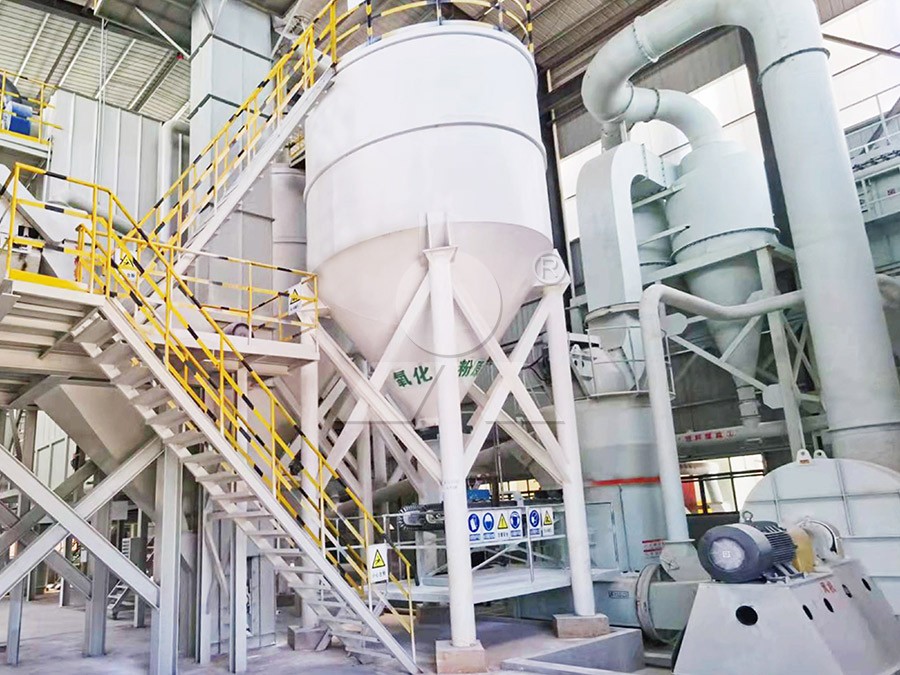
We provide a wide range of mills — including Raymond mill, trapezoidal mill, vertical mill, ultrafine mill, and ball mill, obtained ISO9001 international quality certification, EU CE certification, and Customs Union CU-TR certification. Suitable for processing minerals such as limestone, phosphate, quicklime, kaolin, talc, barite, bentonite, calcium carbonate, dolomite, coal, gypsum, clay, carbon black, slag, cement raw materials, cement clinker, and more.
The discharge range of these mills can be adjusted to meet specific processing needs, typically from 80-400 mesh, 600-3250 mesh, and can achieve the finest particle size of up to 6000 mesh(D50).
If you are looking for a reliable grinding solution to turn stone or minerals into fine powder, please feel free to contact our online customer service.
Application of Quartz Powder in Optical Coating Manufacturing
In the precision-driven world of optical coating manufactring, the quality of raw materials is paramount. Quartz powder, with its exceptional purity, consistent particle size, and high thermal stability, has become an indispensable component in the production of advanced thin-film coatings for lenses, mirrors, filters, and various optical devices. The performence of these coatings is directly linked to the properties of the quartz powder used.
The Critical Role of Quartz Powder
Optical coatings are designed to manipulate light through interference effects. These coatings consist of multiple layers of dielectric materials, often alternating between high and low refractive indices. Fused quartz powder (silicon dioxide, SiO₂), due to its low refractive index (~1.46), excellent transparency across a broad spectral range (from deep UV to near IR), and superb environmental durability, is a preferred material for the low-index layers. The efficacy of these layers is heavily dependent on the powder’s characteristics:
- High Purity: Metallic impurities can cause absorption, scattering, and reduced laser-induced damage threshold (LIDT), which is catastrophic for high-power optical applications.
- Precise Particle Size Distribution: Consistent and ultra-fine particle size is crucial for achieving dense, uniform, and defect-free coating layers through processes like electron-beam evaporation or ion-assisted deposition. Agglomerates or large particles can create scattering centers and pinholes, degrading optical performence.
- Chemical Stability: Quartz is inert and resistant to moisture, ensuring the long-term stability and reliability of the optical coating.
Grinding Technology: The Key to Performance
Producing quartz powder that meets the stringent requirements of the optics industry is a significant technological challenge. Traditional grinding mills can introduce contaminants, generate excessive heat (altering material properties), or fail to achieve the necessary fineness and narrow particle distribution. This is where advanced grinding technology makes all the difference.
For manufacturers seeking to produce high-grade quartz powder, selecting the right milling equipment is critical. The ideal mill must deliver ultra-fine powders with adjustable fineness, maintain high purity by minimizing contamination, and operate efficiently to keep costs manageable.
We recommend our MW Ultrafine Grinding Mill for this highly specialized application. Its design is particularly suited for processing brittle, high-purity materials like quartz. Key features that benefit optical coating production include:
- Adjustable Fineness (325-2500 meshes): The cage-type powder selector, incorporating German technology, allows for precise control over the final product’s fineness, enabling manufacturers to tailor the powder for specific coating deposition techniques. Achieving a consistent d97 ≤5μm is essential for evaportion processes.
- Higher Yielding, Lower Energy Consumption: Its newly designed grinding curves enhance efficiency, offering 40% higher capacity than jet mills while consuming 30% less energy, significantly reducing operational costs for high-volume powder production.
- Eco-friendly & Pure Operation: The efficient pulse dust collector ensures no dust pollution, safeguarding the purity of the quartz powder. Furthermore, the absence of rolling bearings and screws in the grinding chamber elimnates a major source of metallic contamination, a vital concern for optical-grade materials.
Producing Superior Quartz Powder
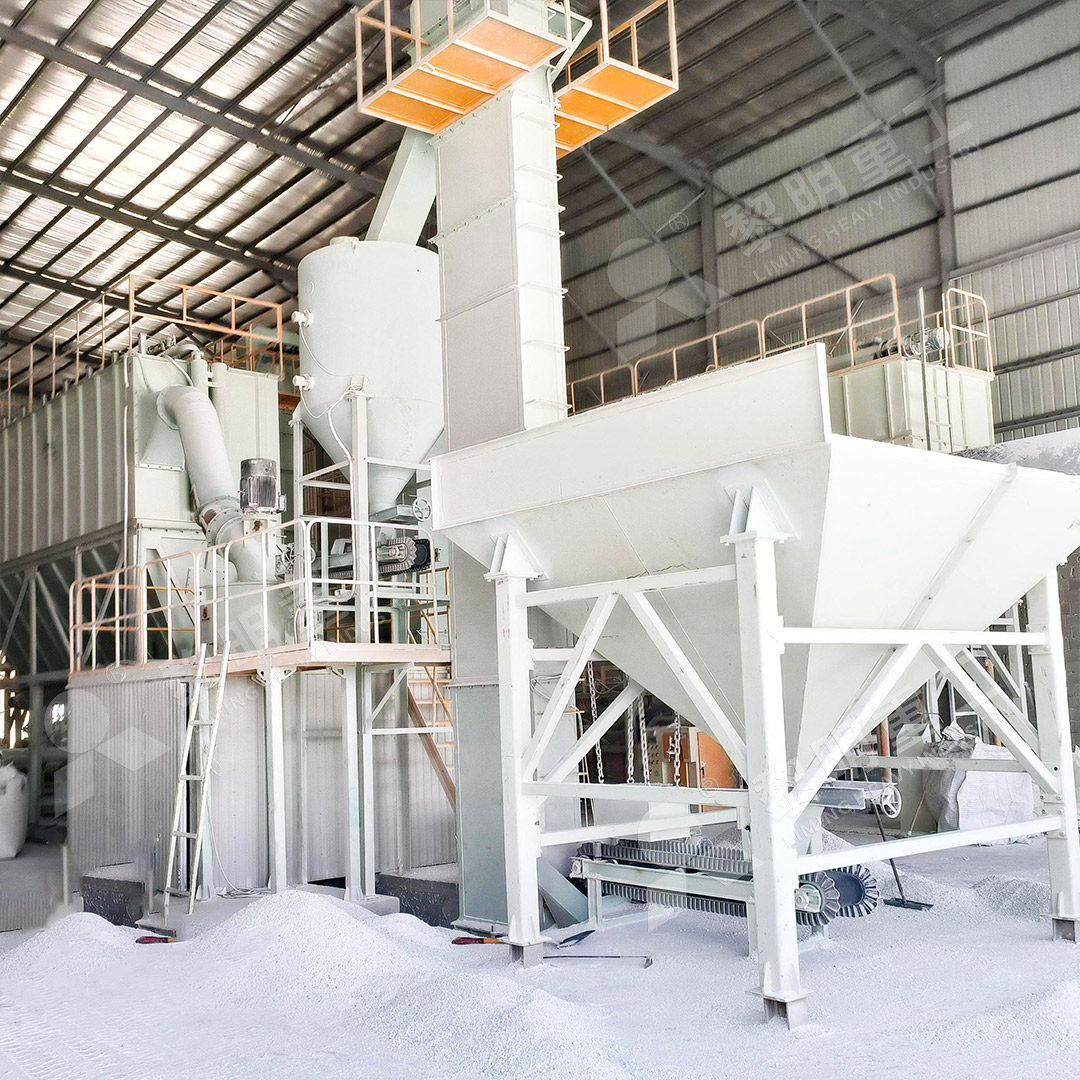
The process begins with high-purity quartz feedstock. Our MW Ultrafine Grinding Mill reduces the material through a combination of impact, shear, and compression forces generated by rollers rotating against a raceway ring. The ground powder is then carried by an air stream to the integrated powder separator. Here, the advanced cage-type selector ensures only particles meeting the precise size specification pass through to be collected as the final product, while oversize material is returned for further grinding.
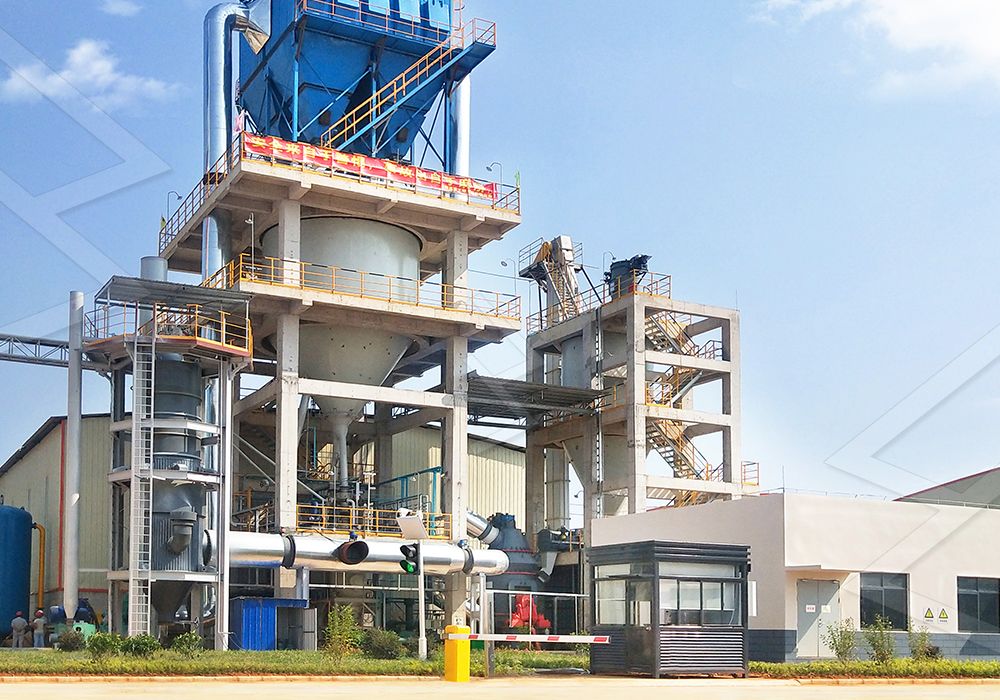
For applications demanding the absolute highest levels of purity and a completely vertical footprint, our LUM Ultrafine Vertical Grinding Mill presents an excellent alternative. It integrates grinding, grading, and transporting and features unique roller shell technology that promotes efficient material layer formation for high-yield, single-pass milling. Its reversible structure also allows for easier maintenance and inspection of core components.
Conclusion
The advancement of optical coating technology is inextricably linked to the availability of high-quality raw materials. Quartz powder, when produced to exacting standards of fineness and purity, enables the creation of coatings that define the capabilities of modern optics. Investing in advanced grinding technology, such as the MW or LUM Ultrafine Mills, is not merely an operational decision but a strategic one, allowing manufacturers to consistently produce the superior quartz powder that this high-tech industry demands.