
Application of Carbide Slag Vertical Mill in Industrial Waste Recycling
We provide a wide range of mills — including Raymond mill, trapezoidal mill, vertical mill, ultrafine mill, and ball mill, obtained ISO9001 international quality certification, EU CE certification, and Customs Union CU-TR certification. Suitable for processing minerals such as limestone, phosphate, quicklime, kaolin, talc, barite, bentonite, calcium carbonate, dolomite, coal, gypsum, clay, carbon black, slag, cement raw materials, cement clinker, and more.
The discharge range of these mills can be adjusted to meet specific processing needs, typically from 80-400 mesh, 600-3250 mesh, and can achieve the finest particle size of up to 6000 mesh(D50).
If you are looking for a reliable grinding solution to turn stone or minerals into fine powder, please feel free to contact our online customer service.
Revolutionizing Industrial Waste Management Through Advanced Grinding Technology
The global push toward sustainable industrial practices has created unprecedented opportunities for innovative waste recycling solutions. Among these, carbide slag recycling represents a significant challenge and opportunity for industries worldwide. Carbide slag, a byproduct of acetylene gas production, has traditionally posed disposal challenges while containing valuable calcium compounds that can be repurposed in various applications.
The Technical Challenge of Carbide Slag Processing
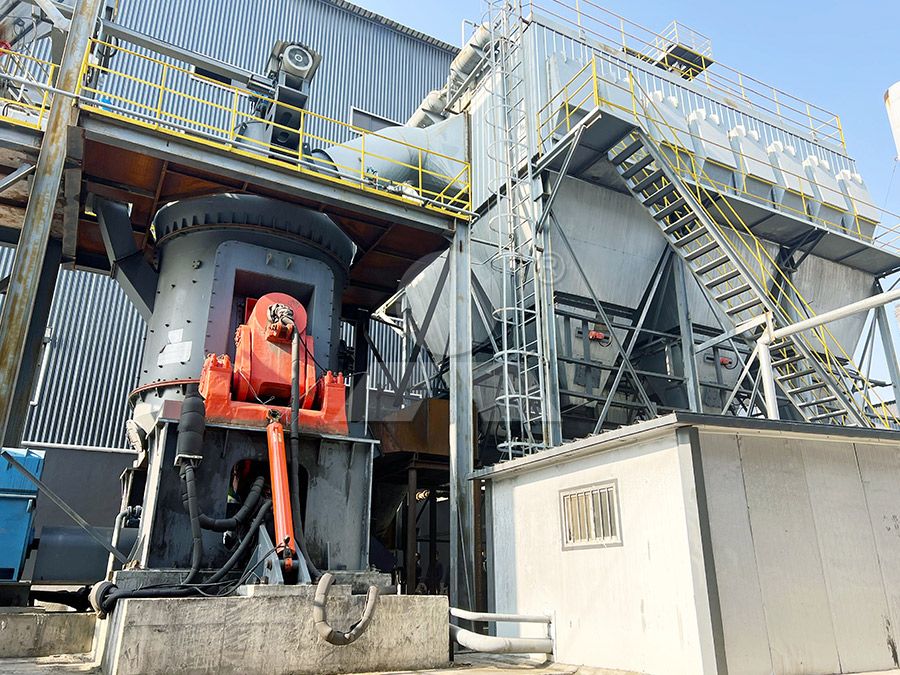
Processing carbide slag requires specialized equipment capable of handling its unique characteristics. The material typically contains high moisture content and requires precise grinding to achieve the necessary fineness for reuse in construction materials, cement production, or as a soil amendment. Traditional grinding methods often prove inefficient, consuming excessive energy while failing to achieve consistent particle size distribution.
Our engineering team has developed specialized solutions for industrial waste processing, with particular expertise in carbide slag applications. The LM Vertical Slag Mill has demonstrated exceptional performance in this demanding application. With an input size capacity of 38-65mm and processing capacity ranging from 7-100T/H, this specialized equipment integrates drying, grinding, powder selection, and conveying into a single, efficient system.
Advanced Technology for Sustainable Solutions
The vertical mill configuration offers distinct advantages for carbide slag processing. By utilizing a negative-pressure air-sweep design, the system effectively dries materials during the grinding process, eliminating the need for separate drying equipment. This integrated approach reduces energy consumption by 30-40% compared to traditional ball milling systems while occupying approximately 50% less floor space.
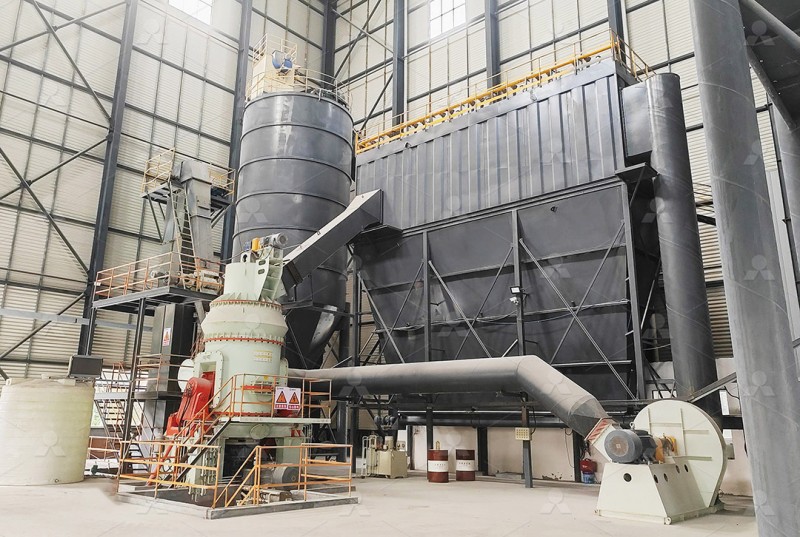
For operations requiring ultra-fine powder production, our MW Ultrafine Grinding Mill provides an excellent alternative. With an adjustable fineness range between 325-2500 meshes and capacity of 0.5-25 tph, this equipment achieves remarkable precision in powder separation. The unique cage-type powder selector, incorporating German technology, ensures consistent product quality while the absence of rolling bearings and screws in the grinding chamber minimizes maintenance requirements.
Environmental and Economic Benefits
The implementation of vertical mill technology in carbide slag recycling delivers substantial environmental advantages. The completely enclosed system operates under negative pressure, preventing dust emissions and maintaining clean working conditions. Additionally, the efficient grinding process reduces overall energy consumption, contributing to lower carbon footprints for industrial operations.
From an economic perspective, the ability to transform waste carbide slag into valuable products creates new revenue streams while reducing disposal costs. The resulting powder finds applications in cement production, where it can replace virgin materials, and in agriculture as a soil conditioner, demonstrating the circular economy principles in action.
Case Study: Successful Implementation
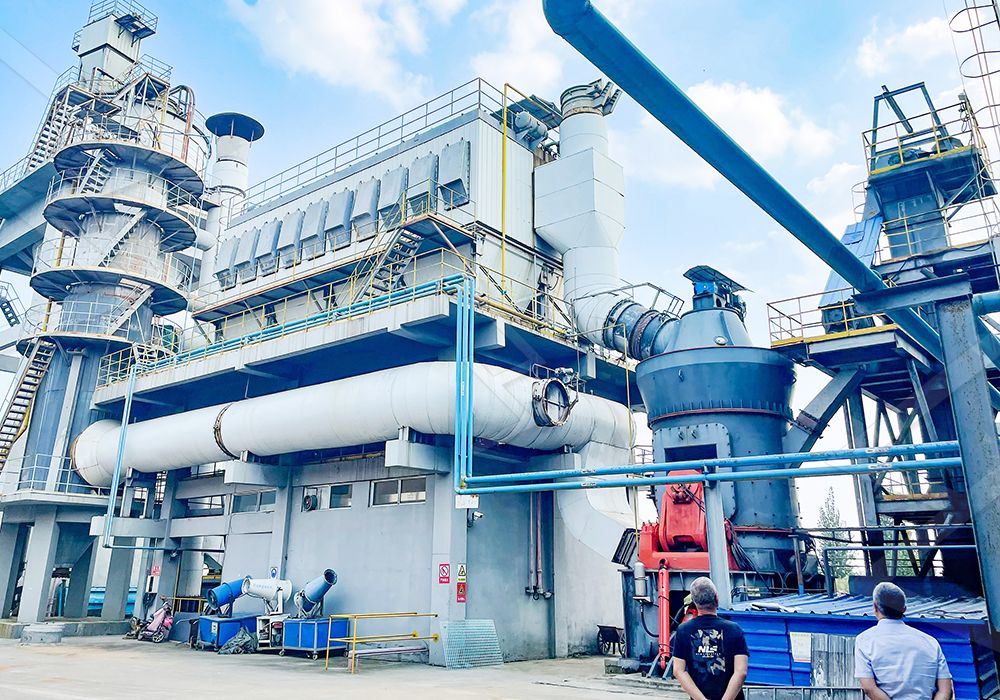
One of our clients in the chemical industry successfully implemented an LM Vertical Slag Mill for their carbide slag processing needs. The system achieved a consistent output of 45T/H with product fineness of 420m²/kg, exceeding their operational targets. The client reported a 60% reduction in energy costs compared to their previous ball mill system, along with significantly reduced maintenance downtime.
Future Outlook
As environmental regulations tighten and resource efficiency becomes increasingly important, the role of advanced grinding technology in industrial waste recycling will continue to expand. The development of increasingly sophisticated control systems and energy-efficient designs promises even greater performance improvements in the coming years.
Frequently Asked Questions
What makes vertical mills particularly suitable for carbide slag processing?
Vertical mills integrate multiple processes including drying, grinding, and classification in a single unit. This is particularly advantageous for carbide slag, which often contains moisture and requires precise particle size control for effective recycling.
How does the energy consumption compare to traditional grinding systems?
Our LM Vertical Slag Mill typically reduces energy consumption by 30-40% compared to conventional ball mill systems, while our MW Ultrafine Grinding Mill can achieve energy savings of up to 50% compared to jet milling systems.
What particle size range can be achieved with these systems?
The MW Ultrafine Grinding Mill can produce powders ranging from 325 to 2500 meshes, while the LM Vertical Slag Mill can be configured to produce materials suitable for various applications, typically between 400-550m²/kg Blaine for cement applications.
How do these systems address environmental concerns?
Both systems feature completely enclosed designs operating under negative pressure to prevent dust emissions. Additionally, they incorporate efficient dust collection systems and noise reduction technologies to minimize environmental impact.
What maintenance requirements should be expected?
Our grinding systems are designed for minimal maintenance. The MW Ultrafine Grinding Mill features no rolling bearings or screws in the grinding chamber, while the LM Vertical Slag Mill incorporates wear-resistant materials and accessible maintenance points to reduce downtime.