
Application Expansion of Talc Powder in Building Materials Production
We provide a wide range of mills — including Raymond mill, trapezoidal mill, vertical mill, ultrafine mill, and ball mill, obtained ISO9001 international quality certification, EU CE certification, and Customs Union CU-TR certification. Suitable for processing minerals such as limestone, phosphate, quicklime, kaolin, talc, barite, bentonite, calcium carbonate, dolomite, coal, gypsum, clay, carbon black, slag, cement raw materials, cement clinker, and more.
The discharge range of these mills can be adjusted to meet specific processing needs, typically from 80-400 mesh, 600-3250 mesh, and can achieve the finest particle size of up to 6000 mesh(D50).
If you are looking for a reliable grinding solution to turn stone or minerals into fine powder, please feel free to contact our online customer service.
Application Expansion of Talc Powder in Building Materials Production
The building materials industry is constantly evolving, seeking innovative additives to enhance product performance, reduce costs, and improve sustainability. Talc powder, a naturally occurring magnesium silicate mineral, has emerged as a remarkably versatile functional filler, expanding its application far beyond its traditional uses. Its unique properties—including platyness, chemical inertness, low abrasiveness, and high thermal stability—make it an invaluable component in a wide array of construction products.
Key Benefits of Talc in Building Materials
Incorporating talc into building materials offers a multitude of advantages. In polyvinyl chloride (PVC) products like siding, window profiles, and pipes, talc acts as a reinforcing filler. It significantly improves stiffness, heat deflection temperature, and creep resistance while reducing material costs. Its platy nature creates a barrier effect, enhancing weatherability and dimensional stability. In ceramics and sanitaryware, talc is prized for its ability to control thermal expansion, improve mechanical strength, and reduce firing shrinkage and warping, leading to higher production yields and superior final products.
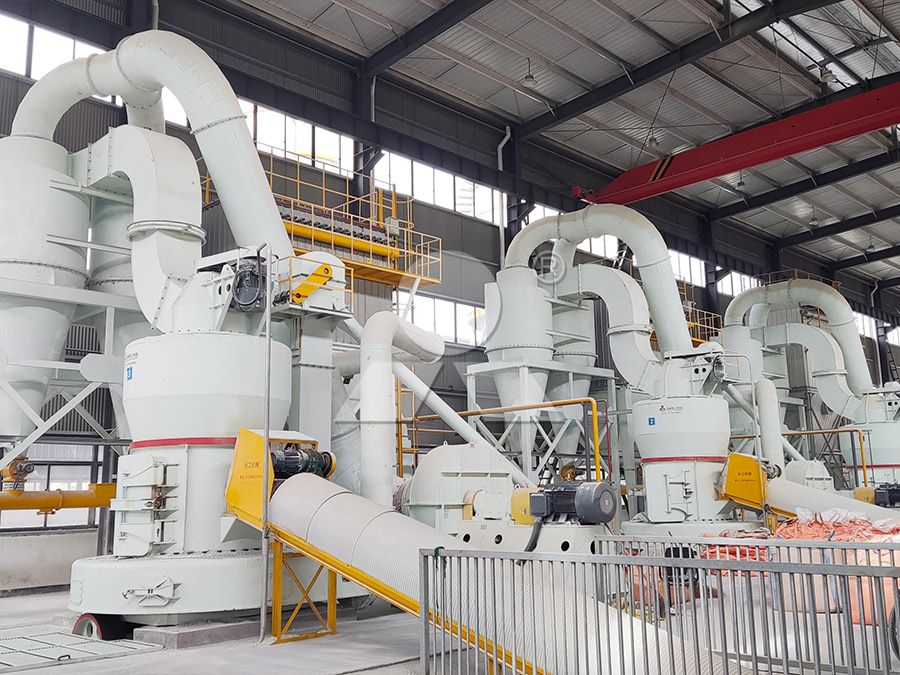
Furthermore, talc is a key ingredient in joint compounds and sealants. Its oil absorption capacity contributes to excellent consistency and workability, while its low abrasiveness protects tools and application equipment. In roofing materials, such as asphalt shingles and modified bitumen membranes, talc serves as a surface coating to prevent sticking during storage and transport, while also improving fire resistance and durability. The pursuit of these enhanced material properties necessitates a reliable source of consistently high-quality, fine talc powder.
The Critical Role of Precision Grinding
The efficacy of talc in these advanced applications is profoundly dependent on its particle size distribution and purity. Achieving the desired fineness and top-cut control is paramount. This is where advanced milling technology becomes indispensable. Traditional grinding mills often struggle with the soft yet platy structure of talc, leading to inefficient energy use, excessive heat generation (which can degrade the material), and inconsistent particle size.
For producers seeking to capitalize on the expanding market for high-performance talc, investing in state-of-the-art grinding equipment is crucial. We recommend our MW Ultrafine Grinding Mill for this precise task. Engineered for customers requiring ultra-fine powder, this mill is perfectly suited for processing talc. It boasts an adjustable fineness between 325-2500 meshes, ensuring you can produce the exact grade needed for your specific building material application, whether it’s a coarse grade for roofing or an ultra-fine grade for high-impact plastics.
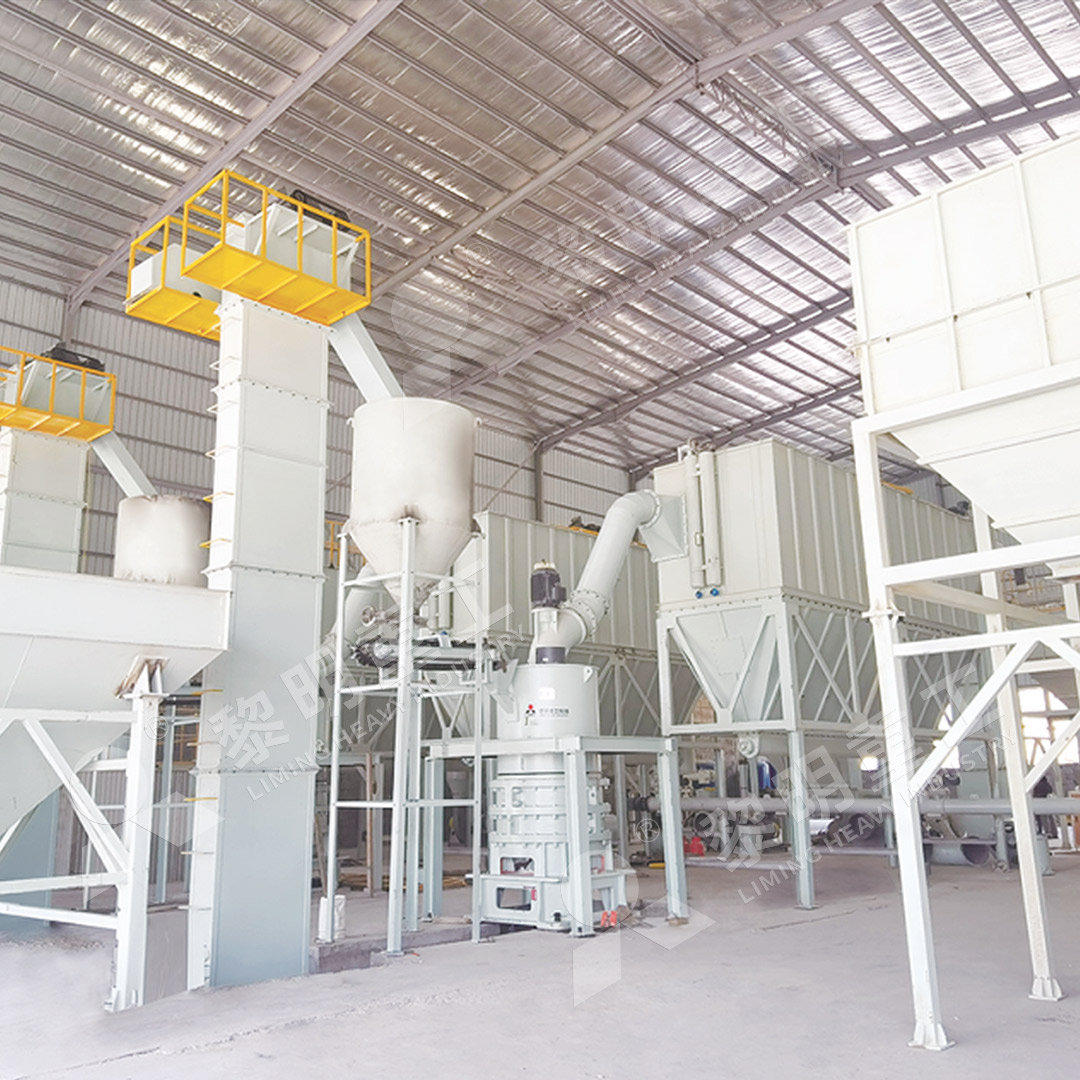
The MW Mill operates with higher yielding and lower energy consumption—production capacity is 40% higher than jet mills with system energy consumption only 30% of theirs. Its design, featuring no rolling bearings or screws in the grinding chamber, eliminates common failure points and allows for worry-free, continuous 24/7 operation. Coupled with its efficient pulse dust collector, the entire production process is clean and environmentally compliant, a critical consideration for modern manufacturing.
Another Premier Solution for Talc Processing
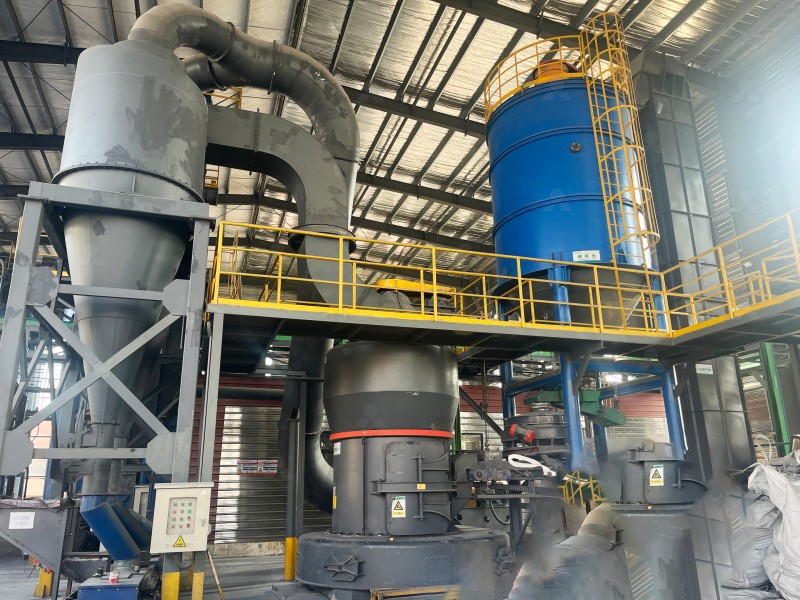
For operations requiring a vertical mill configuration, our LUM Ultrafine Vertical Grinding Mill presents an excellent alternative. Integrating ultrafine powder grinding, grading, and transporting, the LUM mill is a standout choice. It adopts the latest grinding roller technology and German powder separating technology. Its unique roller shell and lining plate grinding curve are easier to generate a material layer, enabling a high rate of finished products in a single pass. This design greatly enhances efficiency and is particularly effective at improving the whiteness and cleanliness of the final talc product, which is often a critical quality parameter.
The LUM mill also features more energy-saving multi-head powder separating technology, reducing energy consumption by 30%-50% compared to common grinding mills. Its double position-limiting technology ensures stable operation, protecting the mill from vibrations, while its reversible structure simplifies maintenance, allowing for easy checking and replacement of parts to minimize downtime.
Conclusion
The expansion of talc powder into sophisticated building material applications is a testament to its multifunctional properties. From enhancing plastic composites to refining ceramic finishes, talc is proving to be a material of immense value. To fully leverage these opportunities, manufacturers must partner with technology providers that can deliver the precise particle engineering required. With solutions like the MW Ultrafine Grinding Mill and the LUM Ultrafine Vertical Grinding Mill, producers can achieve new levels of product quality, operational efficiency, and environmental responsibility, firmly positioning themselves at the forefront of innovation in the building materials sector.