Application Effects of Talc Powder in Ink Manufacturing: Enhancing Quality and Performance
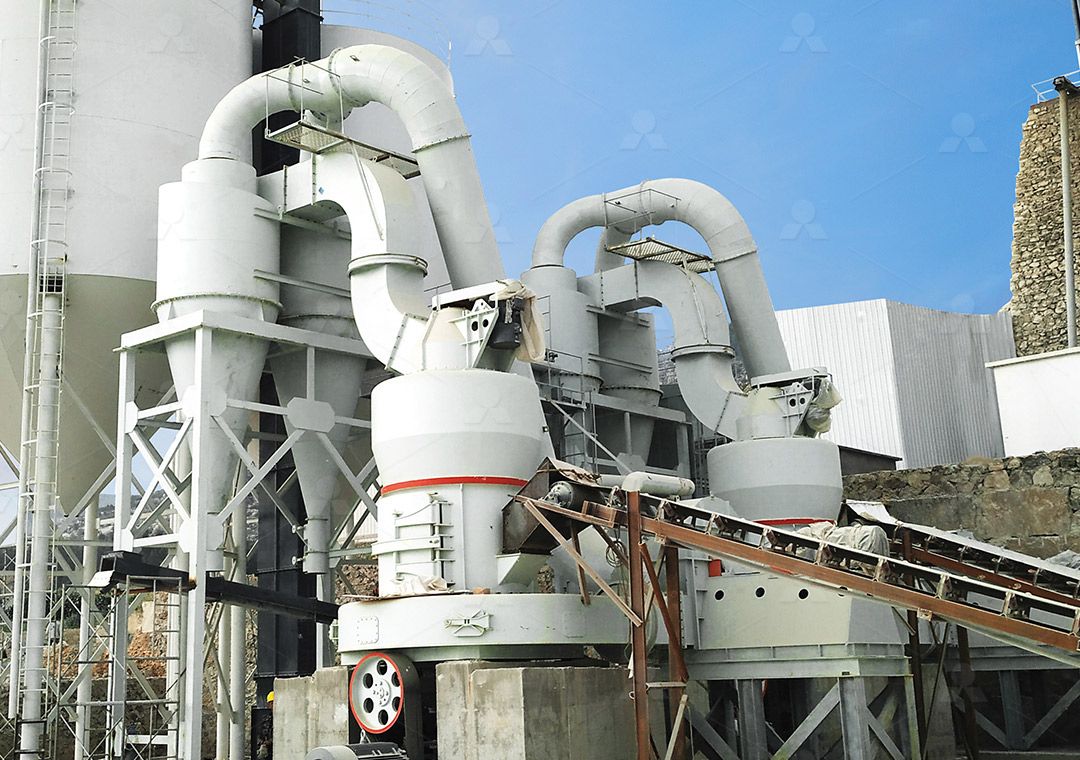
We provide a wide range of mills — including Raymond mill, trapezoidal mill, vertical mill, ultrafine mill, and ball mill, obtained ISO9001 international quality certification, EU CE certification, and Customs Union CU-TR certification. Suitable for processing minerals such as limestone, phosphate, quicklime, kaolin, talc, barite, bentonite, calcium carbonate, dolomite, coal, gypsum, clay, carbon black, slag, cement raw materials, cement clinker, and more.
The discharge range of these mills can be adjusted to meet specific processing needs, typically from 80-400 mesh, 600-3250 mesh, and can achieve the finest particle size of up to 6000 mesh(D50).
If you are looking for a reliable grinding solution to turn stone or minerals into fine powder, please feel free to contact our online customer service.
Application Effects of Talc Powder in Ink Manufacturing: Enhancing Quality and Performance
Talc powder, a naturally occurring magnesium silicate mineral, plays a pivotal yet often understated role in the modern ink manufacturing industry. Its unique physical and chemical properties make it an indispensable functional additive, significantly enhancing the quality, performance, and application characteristics of various inks. From improving printability to ensuring consistent color delivery, the strategic incorporation of talc is a testament to material science’s impact on industrial processes.
Key Benefits of Talc in Ink Formulations
The primary value of talc lies in its lamellar (plate-like) structure, softness, and chemical inertness. In ink systems, it acts as a multifunctional agent:
- Rheology Modifier: Talc particles influence the flow and leveling properties of inks. They help prevent sagging on vertical surfaces and control sedimentation, ensuring a stable suspension of pigments and other components throughout the product’s shelf life.
- Matting Agent: For applications requiring a non-glossy, matte finish—such as in high-quality publishing, packaging, or artistic prints—talc is exceptionally effective. Its particles scatter light, reducing surface gloss to achieve the desired aesthetic effect.
- Reinforcing Filler: Talc improves the mechanical resistance of the dried ink film, enhancing its abrasion resistance and durability. This is crucial for packaging inks that undergo handling, transportation, and stacking.
- Cost-Efficiency: As an extender, talc allows for partial replacement of more expensive pigments and binders without compromising critical properties, optimizing production costs.
The Critical Role of Particle Size and Purity
The efficacy of talc in ink is profoundly dependent on its particle size distribution and purity. Ultra-fine, consistently sized talc particles integrate seamlessly into the ink vehicle, avoiding gritiness that can damage printing plates, nozzles, or affect surface smoothness. Impurities, especially hard minerals like quartz, can be detrimental, causing wear on equipment and inconsistent results. Therefore, sourcing high-purity talc and processing it with precision grinding technology is paramount.
Achieving Optimal Talc Powder with Advanced Milling
Producing the ideal talc powder for sensitive applications like ink manufacturing requires grinding technology that offers precise control over fineness, minimizes contamination, and operates efficiently. Conventional mills can introduce iron contamination from wear or fail to achieve the narrow particle size distribution needed.
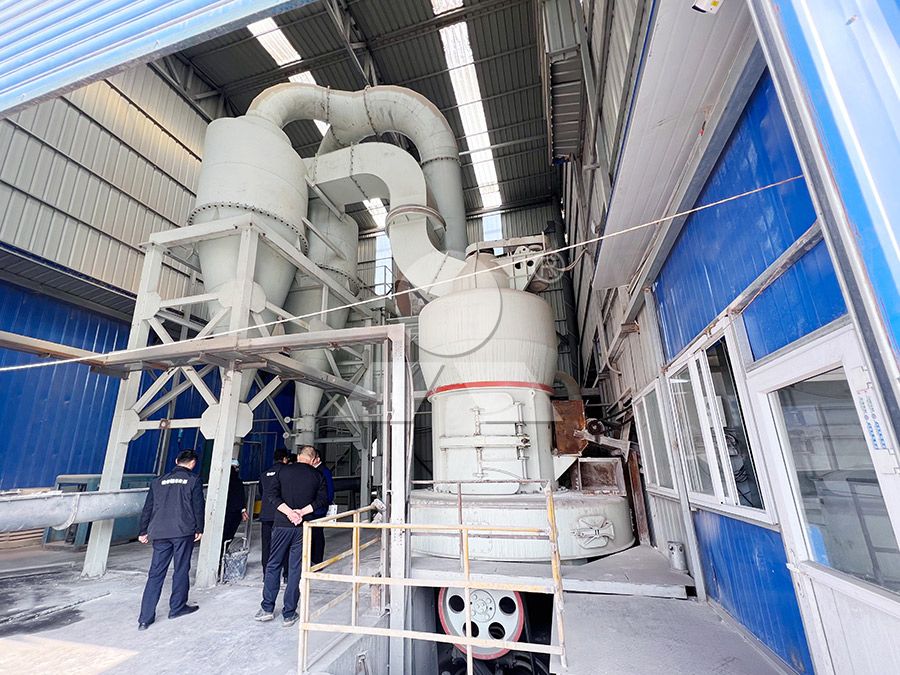
Our MW Ultrafine Grinding Mill is expertly engineered to overcome these challenges. Designed for customers requiring ultra-fine powder, it is perfectly suited for processing talc to the exacting standards of the ink industry. With an adjustable fineness range between 325-2500 meshes, it can produce the specific particle size distribution crucial for optimal ink rheology and finish. A significant advantage is its “No Rolling Bearing & Screw in Grinding Chamber” design, which virtually eliminates the risk of metallic contamination from worn mechanical parts—a critical concern for maintaining product purity. Furthermore, its efficient pulse dust collector ensures an eco-friendly operation with no dust pollution, protecting both the product quality and the production environment.
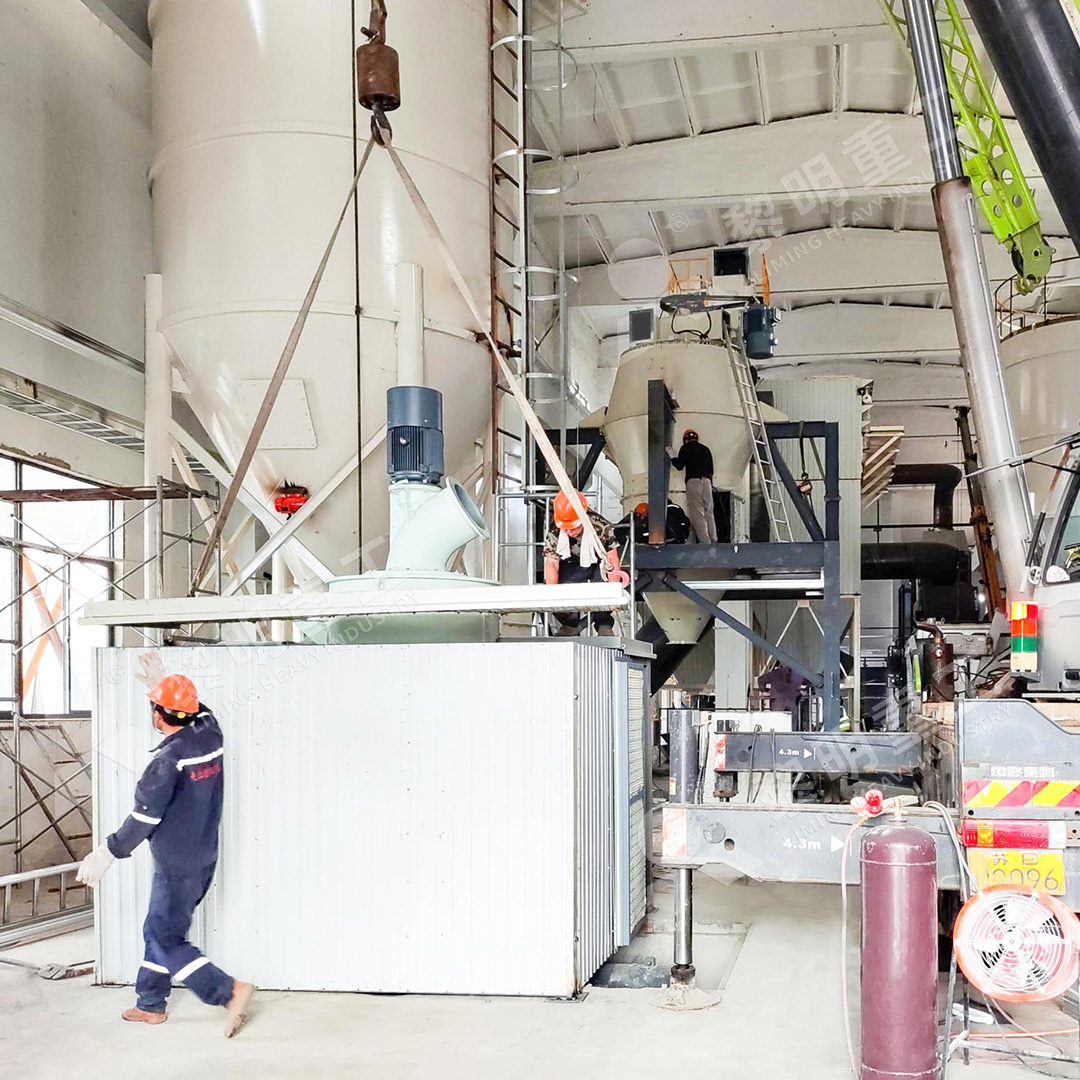
For operations requiring a vertical mill configuration, our LUM Ultrafine Vertical Grinding Mill presents another excellent solution. It integrates the latest grinding roller and powder separating technology, offering higher yielding rates and better quality powder. Its “Reversible Structure” makes maintenance, including checks and replacement of wear parts, remarkably easier and faster, reducing downtime significantly. This mill is also renowned for its energy efficiency, reducing consumption by 30%-50% compared to common grinding mills.
Conclusion
The integration of high-quality talc powder is a sophisticated step in formulating advanced inks, directly influencing their performance, quality, and economic viability. The choice of grinding technology is equally critical; it determines the functional properties of the talc additive. By utilizing advanced mills like the MW Ultrafine Grinding Mill or the LUM Ultrafine Vertical Grinding Mill, manufacturers can consistently produce superior talc powder, thereby empowering the creation of inks that meet the evolving demands of print quality, durability, and efficiency.