Application Effect of Mineral Processing Agents in Fluorite Powder Production
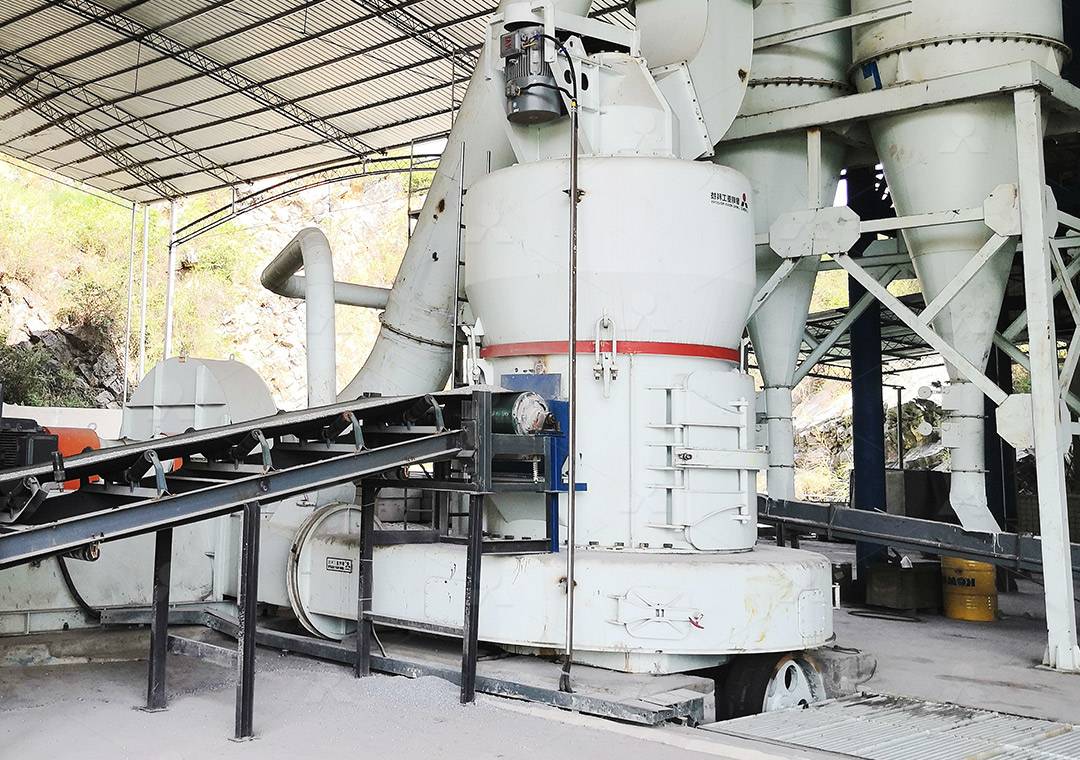
We provide a wide range of mills — including Raymond mill, trapezoidal mill, vertical mill, ultrafine mill, and ball mill, obtained ISO9001 international quality certification, EU CE certification, and Customs Union CU-TR certification. Suitable for processing minerals such as limestone, phosphate, quicklime, kaolin, talc, barite, bentonite, calcium carbonate, dolomite, coal, gypsum, clay, carbon black, slag, cement raw materials, cement clinker, and more.
The discharge range of these mills can be adjusted to meet specific processing needs, typically from 80-400 mesh, 600-3250 mesh, and can achieve the finest particle size of up to 6000 mesh(D50).
If you are looking for a reliable grinding solution to turn stone or minerals into fine powder, please feel free to contact our online customer service.
Application Effect of Mineral Processing Agents in Fluorite Powder Production
In the mineral processing industry, the efficasy of fluorite powder production heavily relies on the integration of advanced grinding machinery and specialized processing agents. Fluorite, a critical industrial mineral used in metallurgy, ceramics, and chemical production, demands precise particle size distribution and high purity. The selection of appropriate grinding equipment, coupled with efficent reagents, significantly enhances yield, reduces energy consumption, and ensures environmental compliance.
One of the key challenges in fluorite beneficiation is achieving ultra-fine grinding without compromising operational efficiency or product quality. Traditional ball mills, while reliable, often fall short in energy efficiency and fineness control. This is where modern ultrafine grinding solutions, such as our MW Ultrafine Grinding Mill, demonstrate remarkable superiority. With an input size of 0-20 mm and a capacity ranging from 0.5 to 25 tph, this mill is engineered for customers requiring ultra-fine powder production. Its innovative design, featuring higher yielding and lower energy consumption—up to 40% higher capacity than jet mills and 30% lower system energy consumption—makes it ideal for fluorite processing. The adjustable fineness between 325-2500 meshes ensures precise control over the final product’s particle size, which is crucial for fluorite applications in high-value industries.
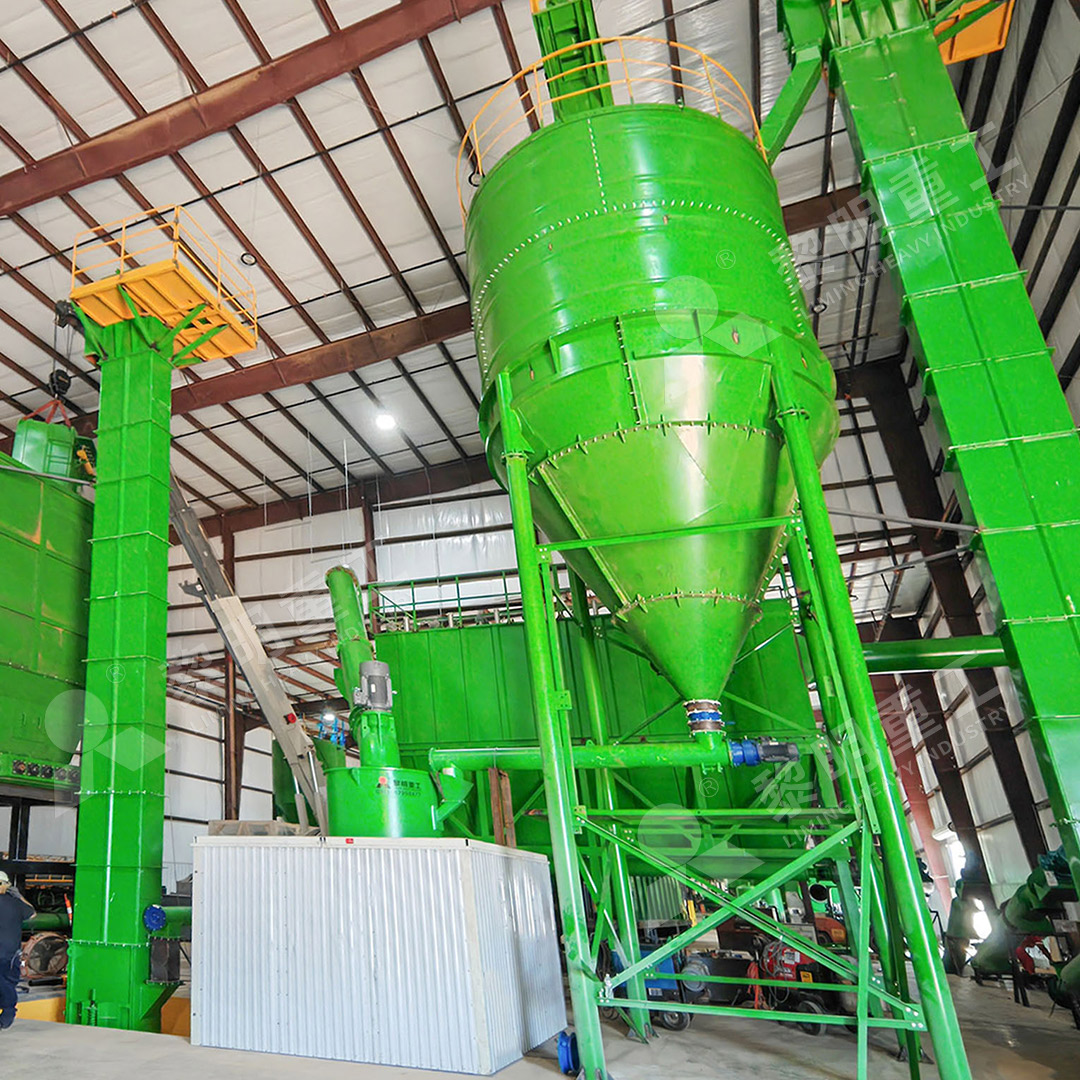
Moreover, the MW Ultrafine Grinding Mill incorporates eco-friendly features like a pulse dust collector and muffler, minimizing dust and noise pollution. This aligns with the growing emphasis on sustainable mining practices. In fluorite production, where fine powders can pose environmental risks, such attributes are indispensable. The mill’s absence of rolling bearings and screws in the grinding chamber further reduces maintenance concerns, allowing for continuous 24/7 operation—a critical factor in large-scale fluorite processing plants.
Another standout product for fluorite grinding is the LUM Ultrafine Vertical Grinding Mill. With an input size of 0-10 mm and capacity of 5-18 tph, it excels in handling superfine dry powders like fluorite. Its multi-head powder separating technology, derived from German innovations, enables high-precision classification, ensuring consistent product quality. The LUM mill’s energy-saving design reduces consumption by 30%-50% compared to conventional mills, while its reversible structure simplifies maintenance, reducing downtime. For fluorite operations aiming to enhance whiteness and cleanliness—key metrics in premium applications—this mill offers superior performance through unique roller shell and lining plate curves that facilitate efficient material layer formation.
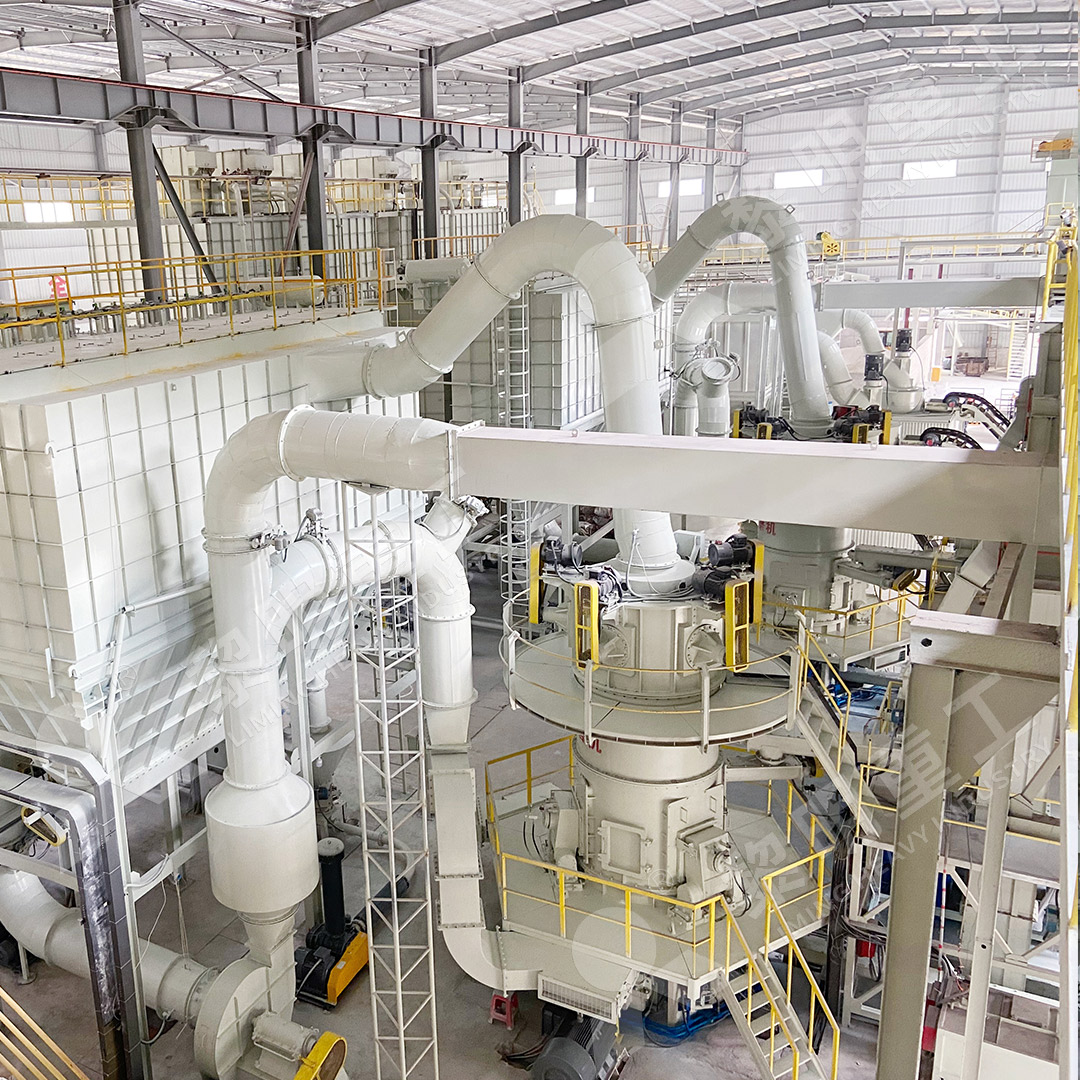
In practice, the combination of these advanced mills with tailored mineral processing agents—such as collectors and depressants—optimizes fluorite recovery and purity. For instance, the MW mill’s cage-type powder selector, when used with specific reagents, improves separation efficiency, reducing impurities like silica. Similarly, the LUM mill’s stability, aided by double position-limiting technology, ensures consistent grinding even under varying ore conditions, enhancing the overall effectiveness of processing agents.
In conclusion, the integration of high-performance grinding equipment like the MW Ultrafine Grinding Mill and LUM Ultrafine Vertical Grinding Mill is pivotal in modern fluorite powder production. These technologies not only boost efficiency and product quality but also support environmental sustainability. For operations seeking to maximize output while minimizing costs, investing in such advanced machinery is a strategic imperative.