Application Effect of Mineral Processing Agents in Fluorite Powder Production
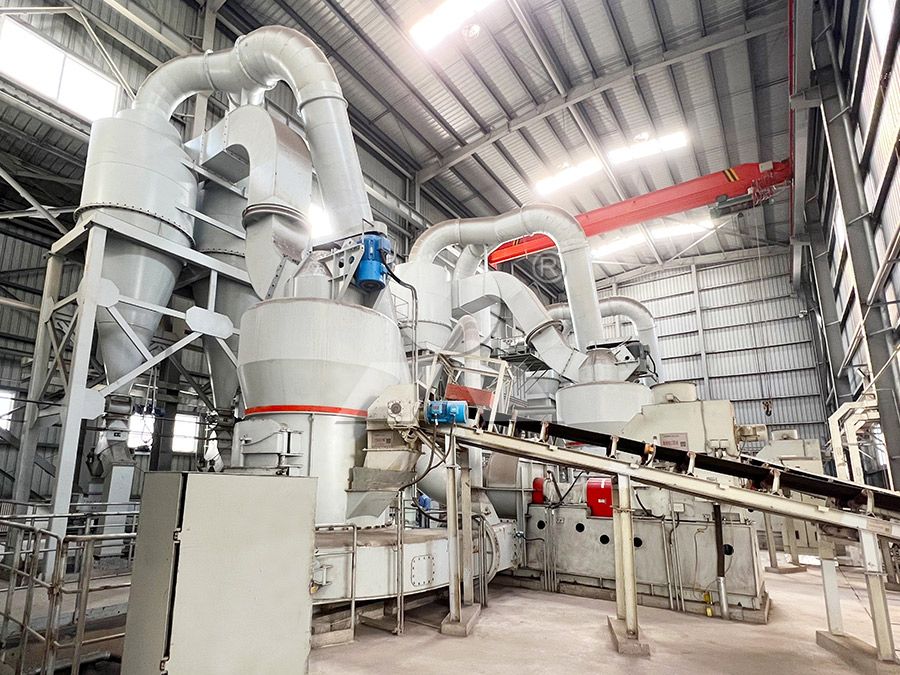
We provide a wide range of mills — including Raymond mill, trapezoidal mill, vertical mill, ultrafine mill, and ball mill, obtained ISO9001 international quality certification, EU CE certification, and Customs Union CU-TR certification. Suitable for processing minerals such as limestone, phosphate, quicklime, kaolin, talc, barite, bentonite, calcium carbonate, dolomite, coal, gypsum, clay, carbon black, slag, cement raw materials, cement clinker, and more.
The discharge range of these mills can be adjusted to meet specific processing needs, typically from 80-400 mesh, 600-3250 mesh, and can achieve the finest particle size of up to 6000 mesh(D50).
If you are looking for a reliable grinding solution to turn stone or minerals into fine powder, please feel free to contact our online customer service.
Application Effect of Mineral Processing Agents in Fluorite Powder Production
The beneficiation of fluorite ore into high-purity, fine-grade powder is a complex process that relies heavily on the synergistic effect between advanced milling equipment and specialized mineral processing agents. The selection of grinding aids, collectors, and depressants significantly influences the final product’s particle size distribution, whiteness, and chemical purity, which are critical for applications in the chemical, ceramic, and metallurgical industries. Achieving the desired fineness, often in the range of 325 to 2500 meshes, requires not only precise chemical formulation but also grinding machinery capable of delivering high efficiency and consistent results without contaminating the product.
The Role of Advanced Milling Technology
In modern fluorite processing plants, the choice of grinding mill is paramount. Traditional ball mills, while effective for coarse grinding, often struggle with energy inefficiency and iron contamination, which can adversely affect the color and quality of the final fluorite powder. This is where advanced vertical grinding mills and ultrafine grinding systems offer a superior alternative. Their design minimizes mechanical wear and tear, thereby reducing the risk of metallic pollution, while their high classification accuracy ensures a narrow and consistent particle size distribution.
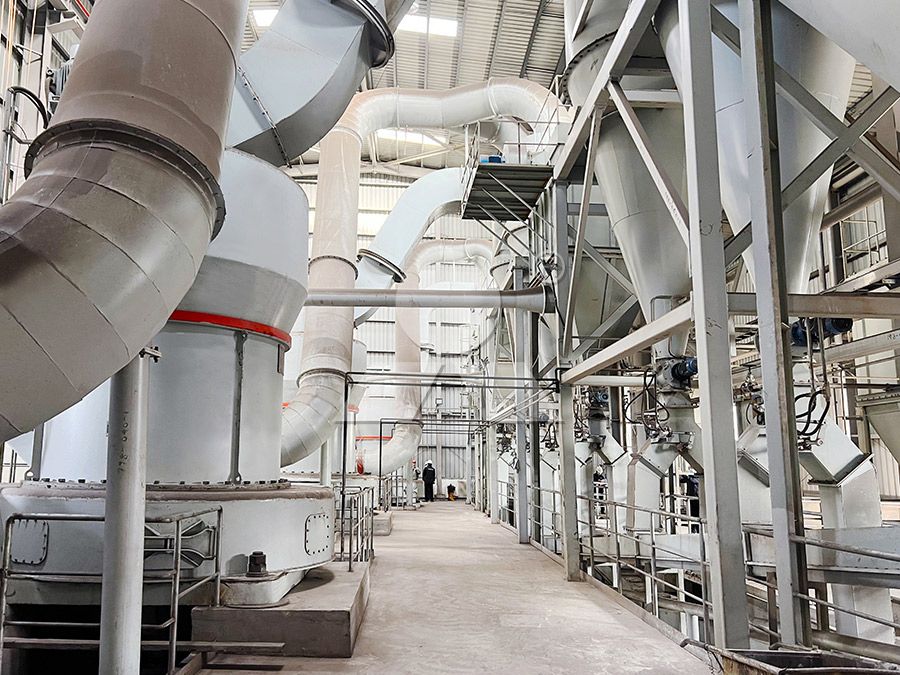
For operations targeting ultra-fine fluorite powder (d97 ≤ 5μm), we highly recommend considering our MW Ultrafine Grinding Mill. This machine is specifically engineered for customers who need to produce ultra-fine powder with superior efficiency. With an input size of 0-20 mm and a capacity range of 0.5-25 tph, it is remarkably versatile. Its cage-type powder selector, which incorporates German technology, allows for precise fineness adjustment between 325 and 2500 meshes. A key feature for fluorite processing is the absence of rolling bearings and screws in the grinding chamber, which virtually eliminates concerns about iron contamination from worn mechanical parts. Furthermore, its efficient pulse dust collector and muffler ensure the production process is environmentally friendly, with minimal dust and noise pollution, aligning with the high purity standards required for fluorite products.
Optimizing the Process with Chemical Agents
The effectiveness of any grinding mill is amplified when used in conjunction with the correct mineral processing agents. In fluorite flotation, collectors like fatty acids are used to enhance the hydrophobicity of fluorite particles, while depressants such as sodium silicate are employed to suppress silicate gangue minerals. The grinding fineness achieved by the mill directly impacts the surface area available for these chemical agents to act upon, making the mill’s precision a critical factor in the overall recovery rate and product grade.
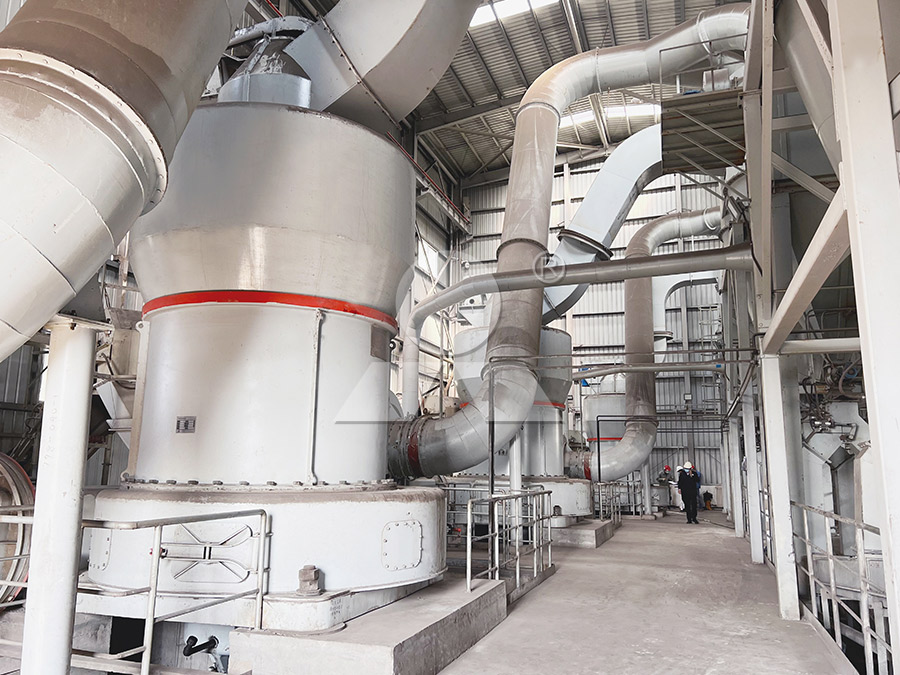
Another excellent solution for achieving consistent and high-yield results is our LUM Ultrafine Vertical Grinding Mill. Independently designed with the latest grinding roller and powder separating technologies, it excels in processing non-metallic minerals like fluorite. Its input size of 0-10 mm and capacity of 5-18 tph make it suitable for various production scales. The LUM mill’s unique roller shell and lining plate grinding curve are designed to easily generate a material layer, enabling a high rate of finished product in a single pass. This enhances efficiency and improves the whiteness and cleanliness of the fluorite powder—a crucial quality metric. Its multi-head powder separating technology and PLC control system also contribute to energy savings of 30%-50% compared to conventional mills, making it both an economically and technically sound choice.
Conclusion
The successful production of high-quality fluorite powder is a testament to the perfect marriage of chemistry and mechanical engineering. While mineral processing agents perform the crucial job of separation and purification, the backbone of the operation is the grinding mill, which must deliver precision, power, and purity. Investing in advanced milling technology like the MW Ultrafine Grinding Mill or the LUM Ultrafine Vertical Grinding Mill ensures that the valuable effects of these chemical agents are fully realized, leading to a superior final product, reduced operational costs, and a more sustainable production environment.