
Anti-Clogging Kaolin Grinding Mill for Efficient and Reliable Processing
We provide a wide range of mills — including Raymond mill, trapezoidal mill, vertical mill, ultrafine mill, and ball mill, obtained ISO9001 international quality certification, EU CE certification, and Customs Union CU-TR certification. Suitable for processing minerals such as limestone, phosphate, quicklime, kaolin, talc, barite, bentonite, calcium carbonate, dolomite, coal, gypsum, clay, carbon black, slag, cement raw materials, cement clinker, and more.
The discharge range of these mills can be adjusted to meet specific processing needs, typically from 80-400 mesh, 600-3250 mesh, and can achieve the finest particle size of up to 6000 mesh(D50).
If you are looking for a reliable grinding solution to turn stone or minerals into fine powder, please feel free to contact our online customer service.
Overcoming Kaolin Processing Challenges: The Clogging Conundrum
Kaolin, a soft white clay essential to numerous industries from paper and ceramics to cosmetics and pharmaceuticals, presents a unique set of challenges in size reduction. Its inherent plasticity and moisture sensitivity often lead to material buildup, blockages, and frequent downtime in traditional grinding systems. This not only hampers productivity but also increases maintenance costs and operational complexity. Processing kaolin efficiently requires a mill specifically engineered to handle its sticky, agglomerating nature without compromising on fineness or throughput.
Engineering Solutions for Uninterrupted Kaolin Production
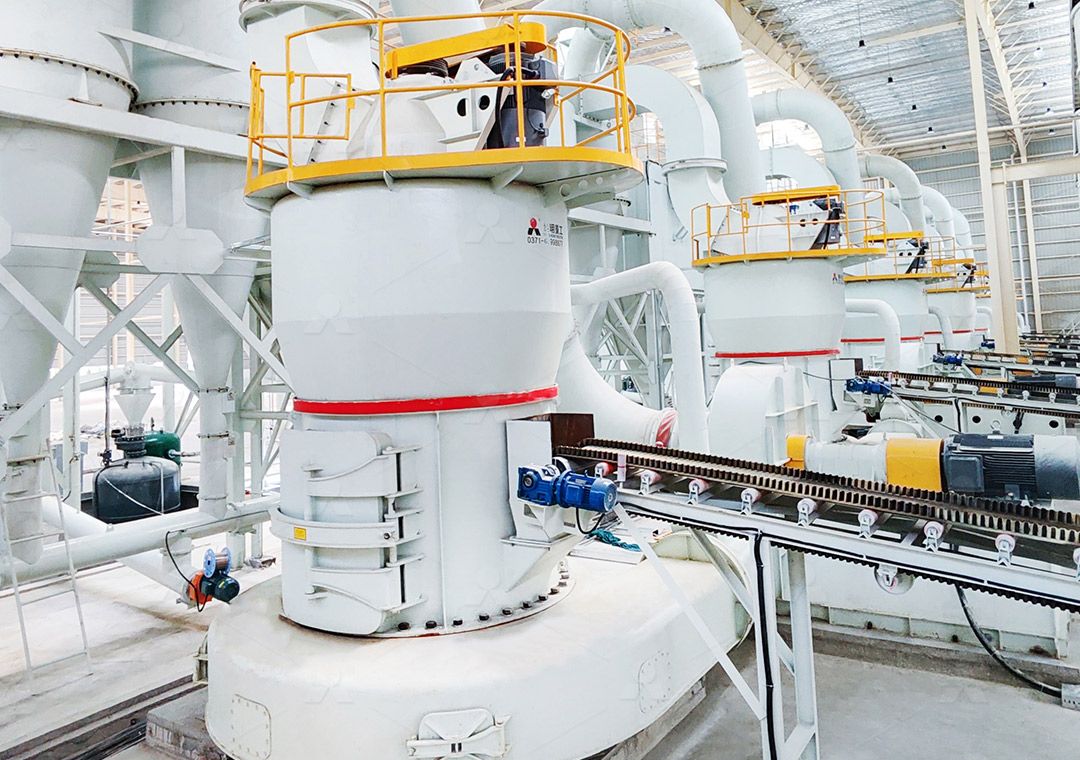
The key to successful kaolin milling lies in a holistic design approach that addresses material flow, heat generation, and internal geometry. Modern anti-clogging designs incorporate several critical features: optimized air flow patterns to prevent material settling, large-volume grinding chambers to reduce recirculation, and specialized liner materials that minimize adhesion. Furthermore, systems equipped with precise temperature control are vital, as excessive heat can exacerbate the clay’s sticky properties, leading to packing and ring formation around grinding elements.
Introducing the MW Ultrafine Grinding Mill: engineered for challenging materials
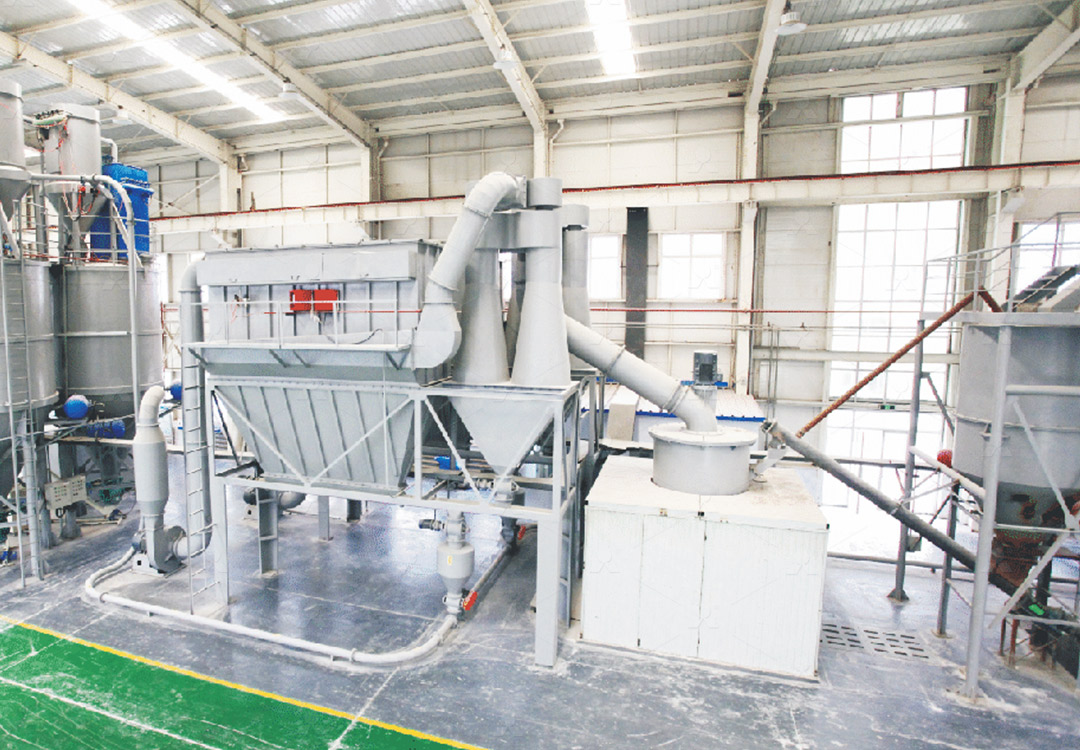
For operations seeking a definitive solution to kaolin processing inefficiencies, our MW Ultrafine Grinding Mill stands out as a superior choice. This mill is meticulously designed from the ground up to tackle the very challenges posed by materials like kaolin. Its innovative design eliminates common failure points, ensuring smooth, continuous operation and exceptional product quality.
Why the MW Mill Excels with Kaolin
- No Rolling Bearing & Screw in Grinding Chamber: This is a game-changer for kaolin. Users are completely free from worries about damages to bearings or their sealing parts due to material ingress. There is simply no machine damage problem caused by loose screws becoming clogged with fine, sticky powder.
- Higher Yielding, Lower Energy Consumption: Newly designed grinding curves of the roller and ring enhance efficiency dramatically. With the same fineness and power, production capacity is 40% higher than jet mills and double that of ball mills, while system energy consumption is slashed to just 30% of a jet mill’s.
- Adjustable Fineness Between 325-2500 Meshes: The German-technology, cage-type powder selector allows for precise control over product fineness, effectively increasing powder separation precision. This is crucial for meeting the strict specifications required for premium-grade kaolin.
- Eco-Friendly & Worry-Free Operation: An efficient pulse dust collector ensures no dust pollution, while an external lubricating device allows for lubrication without shutdown, supporting 24/7 production cycles. Backed by a sufficient supply of original spare parts, operation is truly worry-free.
With an input size of 0-20 mm and a capacity range of 0.5-25 tph, the MW Mill offers the flexibility and robustness needed for both large-scale and specialized kaolin production lines.
Frequently Asked Questions (FAQ)
What makes kaolin particularly difficult to grind?
Kaolin’s plate-like particle structure and natural plasticity cause it to pack and agglomerate under pressure and heat. This leads to material buildup on grinding surfaces, clogging airways, and ultimately, mill shutdowns for cleaning.
How does the MW Mill prevent material clogging?
Its revolutionary design excludes rolling bearings and screws from the grinding chamber entirely, removing the most vulnerable components where clogging typically starts. Combined with optimized airflow from its efficient air circuit, material is kept moving smoothly through the system.
Can the MW Mill achieve the very fine particle sizes required for coating-grade kaolin?
Absolutely. The mill’s advanced cage-type powder selector is capable of producing fine powders within a range of 325 to 2500 meshes, achieving a screening rate of d97≤5μm in a single pass, making it ideal for high-value kaolin applications.
Is the system energy-intensive?
On the contrary. The MW Mill is designed for high efficiency, consuming up to 70% less energy compared to traditional jet mills for the same output, significantly reducing operational costs.
What kind of maintenance should we expect?
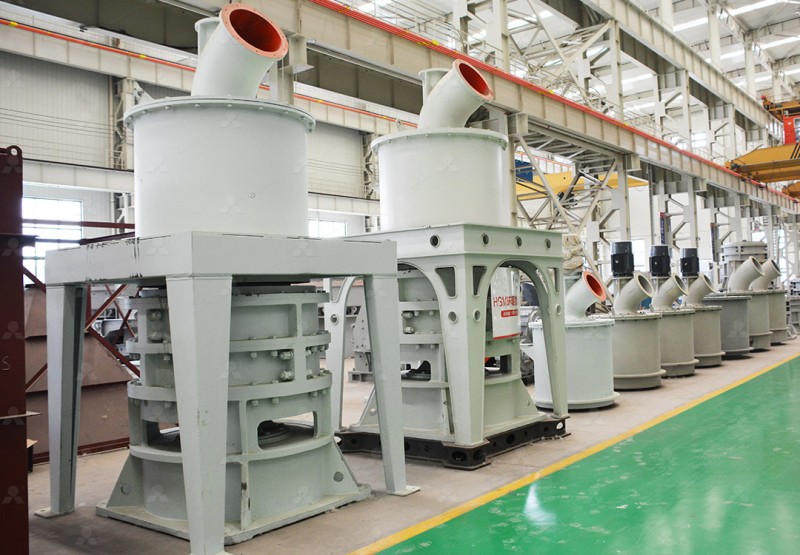
Maintenance requirements are minimal. The external lubrication system allows for servicing without interrupting production. The absence of internal bearings and screws subject to clogging drastically reduces unplanned maintenance and extends periods between scheduled servicing.