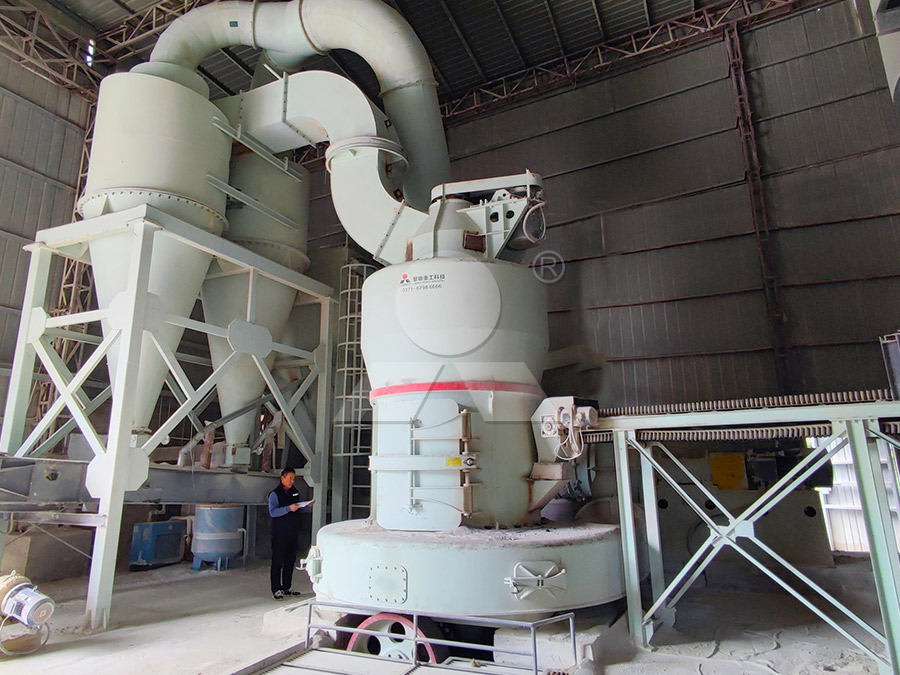
Anthracite Coal Grinding Mill: Production Process and Equipment Selection
We provide a wide range of mills — including Raymond mill, trapezoidal mill, vertical mill, ultrafine mill, and ball mill, obtained ISO9001 international quality certification, EU CE certification, and Customs Union CU-TR certification. Suitable for processing minerals such as limestone, phosphate, quicklime, kaolin, talc, barite, bentonite, calcium carbonate, dolomite, coal, gypsum, clay, carbon black, slag, cement raw materials, cement clinker, and more.
The discharge range of these mills can be adjusted to meet specific processing needs, typically from 80-400 mesh, 600-3250 mesh, and can achieve the finest particle size of up to 6000 mesh(D50).
If you are looking for a reliable grinding solution to turn stone or minerals into fine powder, please feel free to contact our online customer service.
Anthracite Coal Grinding Mill: Production Process and Equipment Selection
Anthracite coal, known for its high carbon content and low volatile matter, requires specialized grinding equipment to achieve the fine powders necessary for applications in power generation, metallurgy, and industrial heating. The selection of the right grinding mill is critical to operational efficiency, energy consumption, and final product quality. This article explores the production process and key considerations for selecting anthracite coal grinding equipment.
Production Process Overview
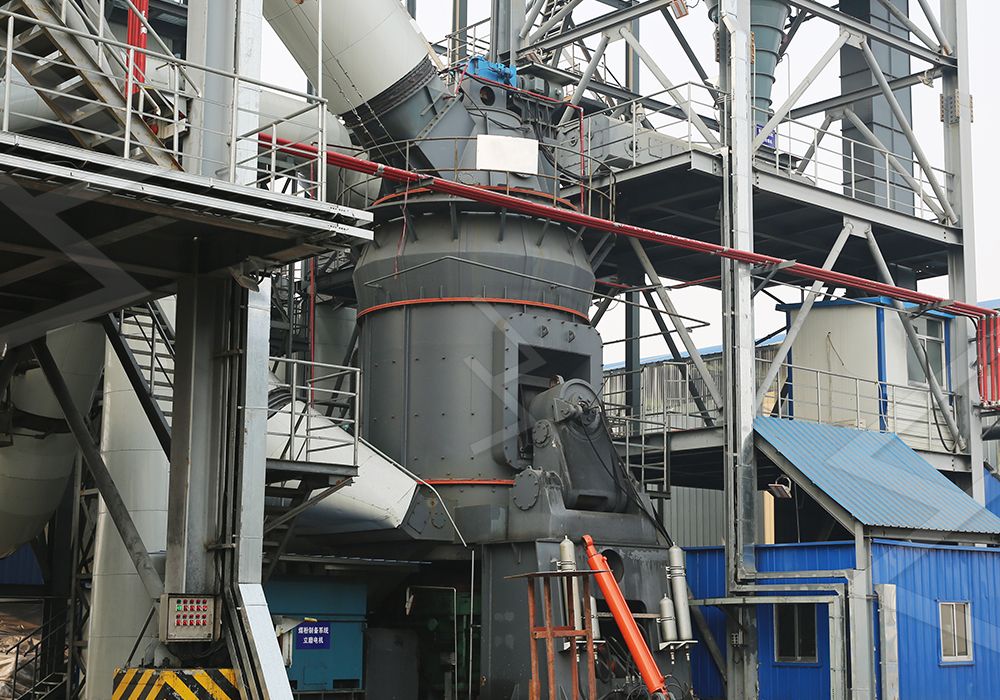
The grinding process for anthracite coal typically involves several stages: crushing, drying, grinding, classification, and collection. Raw anthracite coal with a size of 0-50mm is first crushed to a smaller size (often below 20mm) by a jaw crusher or hammer crusher. It is then fed into the grinding mill, where it is pulverized between grinding rollers and a grinding ring or table. The ground powder is carried by airflow to a classifier, where oversize particles are separated and returned for further grinding, while the fine product is collected by a cyclone or bag filter.
Key Equipment Selection Factors
When selecting a mill for anthracite coal, consider the following factors:
- Feed Size and Capacity: The mill must handle the required input size (typically 0-20mm) and throughput (e.g., 0.5-25 tph or higher).
- Fineness Requirements: Anthracite powders often need to reach 325-2500 meshes for industrial use.
- Energy Efficiency: Grinding mills can consume significant power; opt for designs with lower energy consumption per ton.
- Dust and Noise Control: Integrated dust collectors and mufflers are essential for environmental compliance.
- Maintenance and Reliability: Equipment with minimal rolling bearings and screws in the grinding chamber reduces failure risks.
Recommended Equipment: MW Ultrafine Grinding Mill
For anthracite coal grinding, we highly recommend our MW Ultrafine Grinding Mill. This machine is specifically designed for ultra-fine powder production, with an input size of 0-20 mm and a capacity range of 0.5-25 tph. It features a high-efficiency pulse dust collector and muffler, ensuring eco-friendly operation with minimal dust and noise pollution. The MW Mill’s cage-type powder selector allows precise fineness adjustment between 325-2500 meshes, and its unique design without rolling bearings or screws in the grinding chamber enhances reliability and reduces maintenance needs. With 40% higher yield and 30% lower energy consumption compared to jet mills, it is an ideal choice for anthracite processing.
Alternative Option: LUM Ultrafine Vertical Grinding Mill
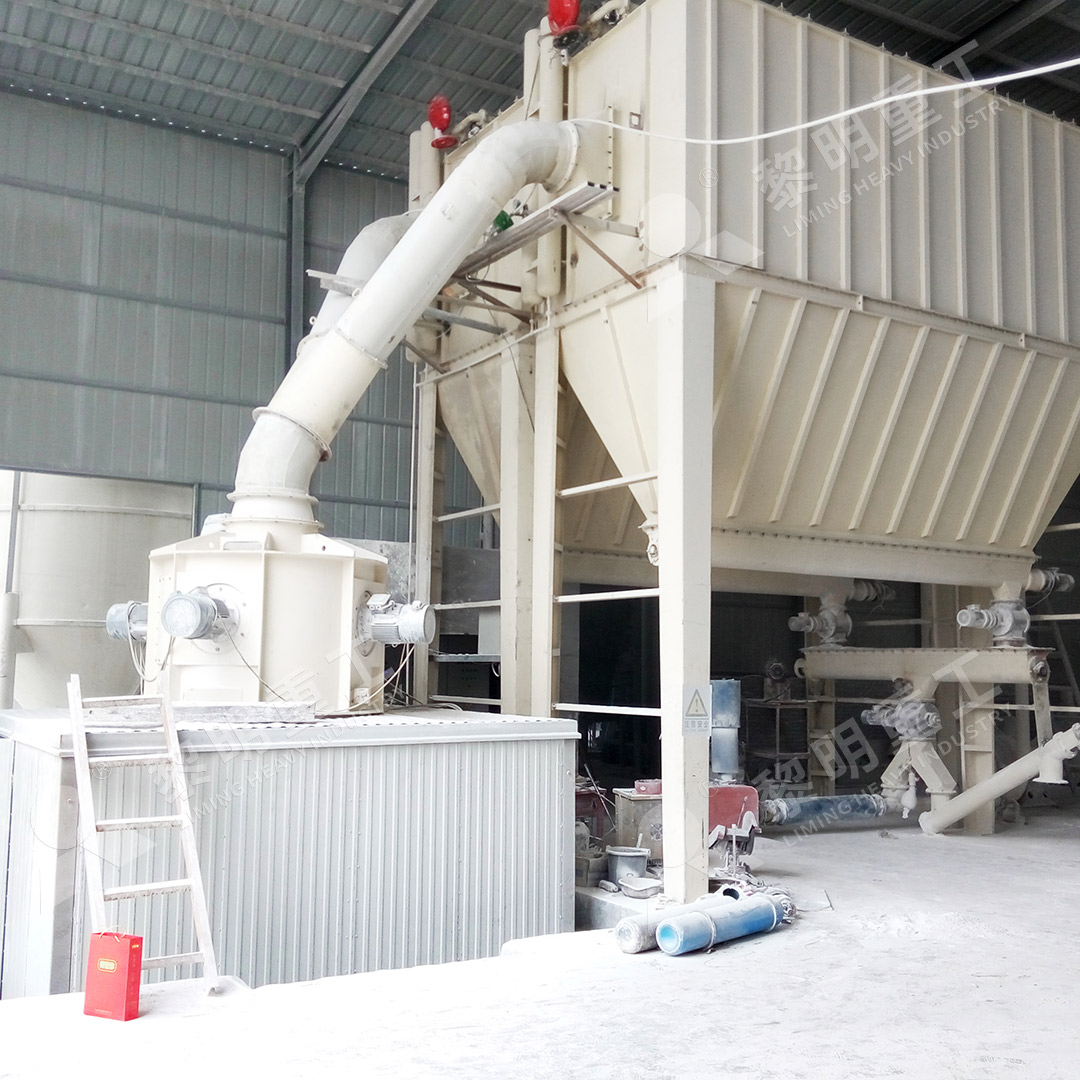
Another excellent option is the LUM Ultrafine Vertical Grinding Mill, which handles an input size of 0-10 mm and capacities of 5-18 tph. It incorporates advanced grinding roller and powder separating technologies, offering energy savings of 30%-50% and stable operation through double position-limiting technology. Its reversible structure simplifies maintenance, making it suitable for continuous anthracite grinding operations.
Conclusion
Selecting the right grinding mill for anthracite coal involves balancing throughput, fineness, energy use, and environmental impact. The MW Ultrafine Grinding Mill stands out for its efficiency, reliability, and eco-friendly features, making it a top recommendation for producers seeking high-quality anthracite powders. Always consult with equipment suppliers to tailor the solution to your specific operational needs.