
Annual Maintenance Contract for Industrial Grinding Mills: Cost & Benefits Explained
We provide a wide range of mills — including Raymond mill, trapezoidal mill, vertical mill, ultrafine mill, and ball mill, obtained ISO9001 international quality certification, EU CE certification, and Customs Union CU-TR certification. Suitable for processing minerals such as limestone, phosphate, quicklime, kaolin, talc, barite, bentonite, calcium carbonate, dolomite, coal, gypsum, clay, carbon black, slag, cement raw materials, cement clinker, and more.
The discharge range of these mills can be adjusted to meet specific processing needs, typically from 80-400 mesh, 600-3250 mesh, and can achieve the finest particle size of up to 6000 mesh(D50).
If you are looking for a reliable grinding solution to turn stone or minerals into fine powder, please feel free to contact our online customer service.
Annual Maintenance Contract for Industrial Grinding Mills: Cost & Benefits Explained
In the demanding world of industrial mineral processing, the reliability of your grinding equipment isn’t just a convenience—it’s the backbone of your profitability. An unplanned shutdown for a critical mill can cost tens of thousands of dollars per hour in lost production. This is where a strategic Annual Maintenance Contract (AMC) shifts from being an optional expense to a critical investment in operational continuity and cost control.
The Hidden Costs of Reactive Maintenance
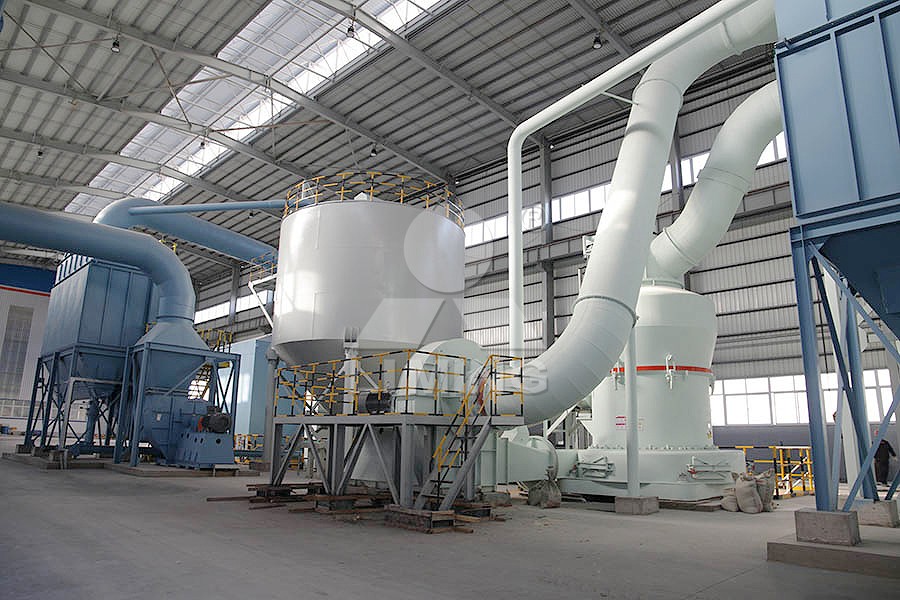
Many operations fall into the trap of run-to-failure maintenance, only addressing issues when a machine grinds to a halt. While this seems to save on upfront service costs, the hidden expenses are substantial. Beyond the immediate production loss, reactive repairs are often more extensive and expensive. Urgent parts shipments carry premium costs, and the work is performed under duress, increasing the risk of errors. This approach also leads to higher energy consumption from poorly tuned equipment and unpredictable product quality due to wearing components.
Quantifiable Benefits of a Proactive AMC
A well-structured AMC flips the script, transforming maintenance from a cost center into a value driver. The core benefits include:
- Predictable Budgeting: Transform unpredictable, large repair bills into a fixed, manageable annual cost. Financial planning becomes significantly easier.
- Maximized Uptime: Scheduled maintenance is performed during planned outages, minimizing disruptive and costly unplanned downtime. AMC providers often guarantee response times for any issues that do arise.
- Extended Equipment Lifespan: Regular inspections, lubrication, and adjustments prevent minor issues from escalating into major failures, protecting your capital investment for years longer.
- Peak Performance & Efficiency: A mill running with precisely aligned rollers and fresh liners operates with lower energy consumption and higher throughput. This directly reduces your cost per ton.
- Access to Expertise & Genuine Parts: You gain a direct line to factory-trained engineers and a guaranteed supply of original spare parts, ensuring repairs are done right the first time.
Choosing the Right Partner and Equipment
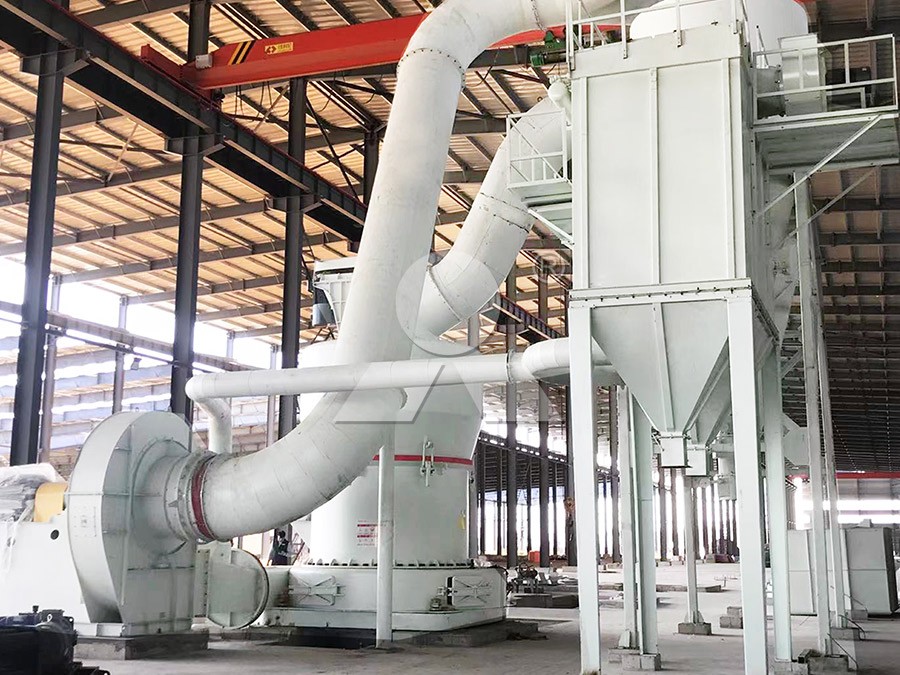
The effectiveness of an AMC is directly tied to the quality of the equipment and the expertise of the service provider. Investing in modern, reliable machinery designed for easier maintenance is the first step. For operations requiring ultra-fine powders, the MW Ultrafine Grinding Mill is a standout choice. Its design philosophy prioritizes reliability and maintainability. A key feature is that there are no rolling bearings or screws in the grinding chamber, eliminating common failure points and making internal inspections far simpler and less frequent. With a capacity of 0.5-25 tph and the ability to produce powder between 325-2500 meshes, it’s a robust workhorse for fine grinding applications.
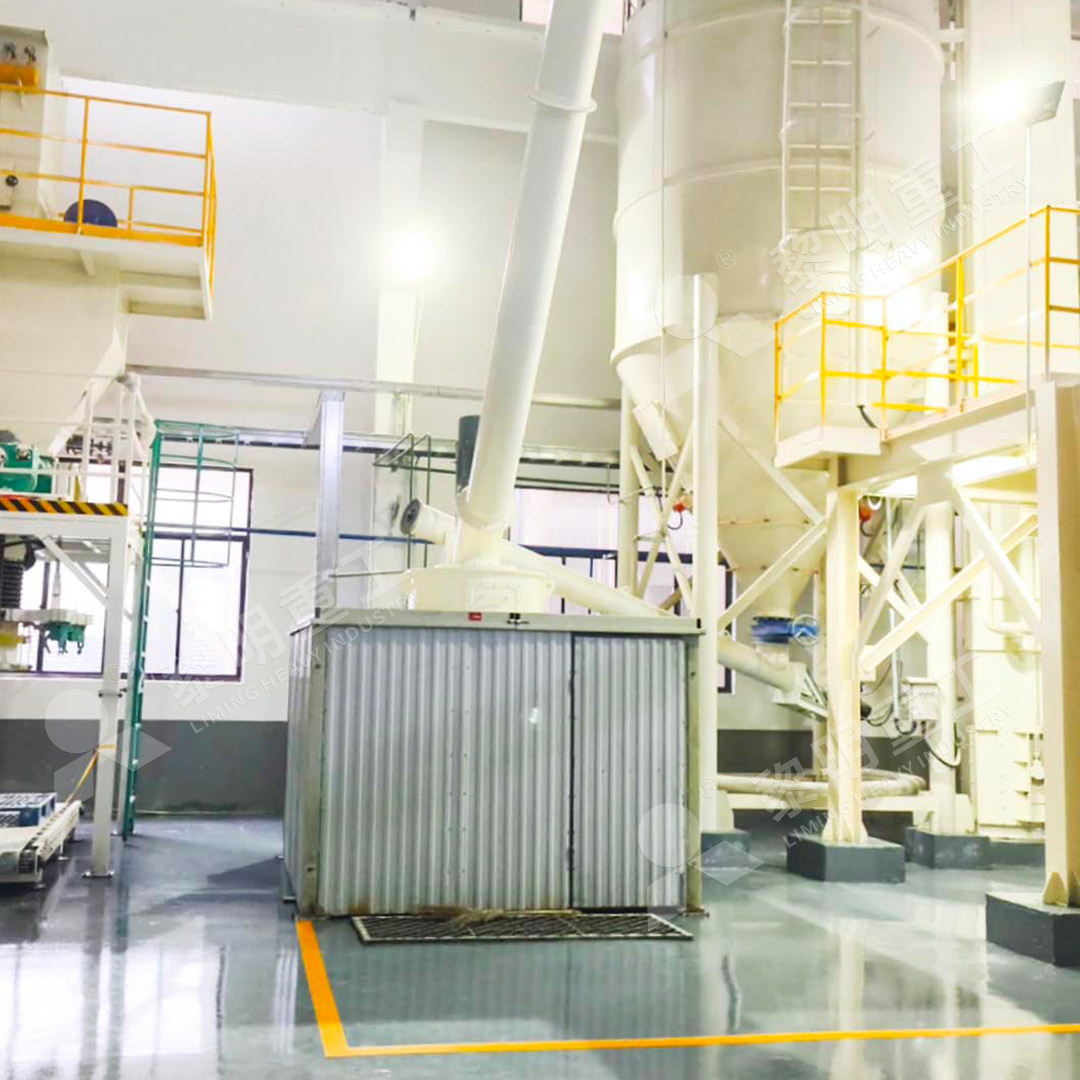
For larger-scale operations processing slag or coal, the LM Vertical Grinding Mill series offers exceptional efficiency and reduced maintenance needs. Its integrated design crushes, dries, grinds, and classifies in a single unit, occupying 50% less space than a traditional ball mill system. More importantly, its vertical roller design allows for the grinding rollers to be swung out hydraulically for maintenance, meaning wear parts like roller shells and liner plates can be replaced quickly and with minimal downtime, a perfect synergy with an AMC’s goals.
Is an AMC Right for Your Operation?
An Annual Maintenance Contract is most valuable for operations where continuous uptime is critical, where in-house maintenance expertise for complex grinding systems is limited, or where managing long-term operational costs is a strategic priority. It provides peace of mind, knowing that a team of experts is ensuring your equipment—the heart of your process—is always performing at its best.
In conclusion, viewing an AMC as an insurance policy against catastrophic failure is only seeing half the picture. Its true value lies in its role as a strategic tool for driving down operating costs, guaranteeing product quality, and maximizing the return on your equipment investment. Partnering with a manufacturer that offers comprehensive support for reliable machines like the MW Ultrafine Mill or LM Vertical Mill is the smartest way to grind.