
Analysis of Technical Innovations in New 200 Mesh Anthracite Coal Grinding Mills
We provide a wide range of mills — including Raymond mill, trapezoidal mill, vertical mill, ultrafine mill, and ball mill, obtained ISO9001 international quality certification, EU CE certification, and Customs Union CU-TR certification. Suitable for processing minerals such as limestone, phosphate, quicklime, kaolin, talc, barite, bentonite, calcium carbonate, dolomite, coal, gypsum, clay, carbon black, slag, cement raw materials, cement clinker, and more.
The discharge range of these mills can be adjusted to meet specific processing needs, typically from 80-400 mesh, 600-3250 mesh, and can achieve the finest particle size of up to 6000 mesh(D50).
If you are looking for a reliable grinding solution to turn stone or minerals into fine powder, please feel free to contact our online customer service.
Analysis of Technical Innovations in New 200 Mesh Anthracite Coal Grinding Mills
The pursuit of finer particle sizes, particularly the demanding 200 mesh specification for anthracite coal, has driven significant technological evolution in grinding mill design. This analysis examines the key innovations that define the latest generation of grinding equipment, focusing on efficiency, environmental compliance, and operational reliability.
The Challenge of Ultra-Fine Anthracite Grinding
Anthracite coal, known for its high carbon content and hardness, presents unique challenges for size reduction. Achieving a consistent 200 mesh fineness (approximately 74 microns) requires precise control over grinding forces, temperature, and material residence time. Traditional ball mills often struggle with high energy consumption, excessive wear, and inconsistent particle size distribution when processing this material.
Core Technological Advancements
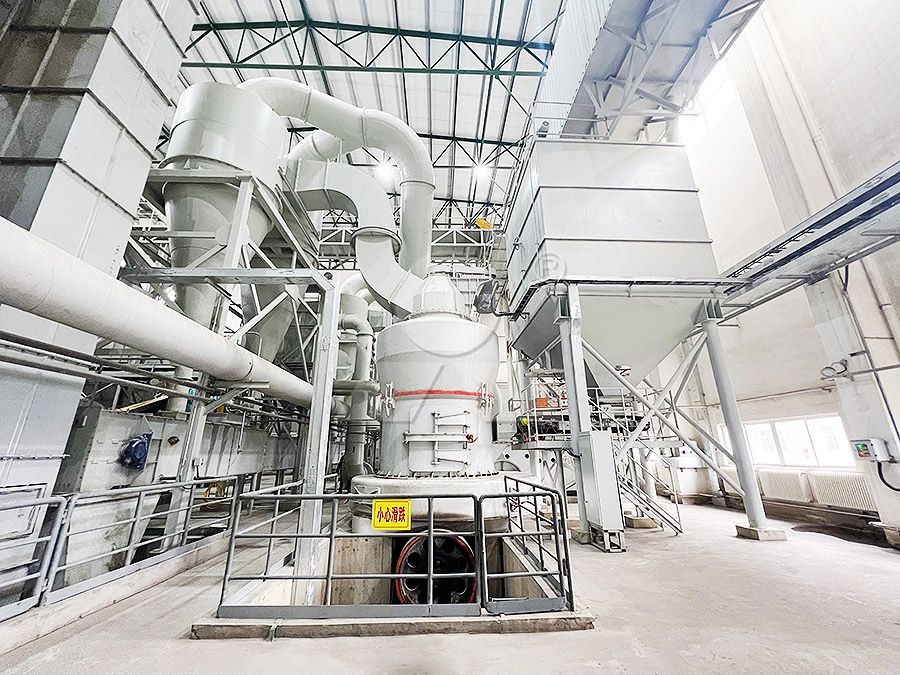
Modern mills adress these challenges through several key innovations. The integration of advanced dynamic classifiers allows for real-time adjustment of particle cut points, ensuring precise top-size control. Furthermore, the adoption of grinding roller systems with hydro-pneumatic spring loading provides consistent grinding pressure even as wear occurs, maintaining product quality over extended operational periods.
Another critical advancement is in the realm of system intelligence. PLC-based control systems now continuously monitor motor load, bearing temperature, and grinding pressure, automatically adjusting feed rates and classifier speeds to optimize production. This not only maximizes throughput but also protects the mill from damaging overload conditions.
Spotlight on the MW Ultrafine Grinding Mill
For operations requiring exceptional fineness and efficiency, our MW Ultrafine Grinding Mill represents a pinnacle of this engineering progress. Designed specifically for customers needing to make ultra-fine powder, this machine is a standout solution for 200 mesh anthracite production.
With an input size of 0-20 mm and a capacity range of 0.5-25 tph, the MW series excels through its Higher Yielding and Lower Energy Consumption. Its newly designed grinding curves of grinding roller and grinding ring enhance efficiency dramatically. In practical terms, it offers production capacity 40% higher than jet mills and double that of ball mills, while consuming only 30% of the energy of jet grinding systems.
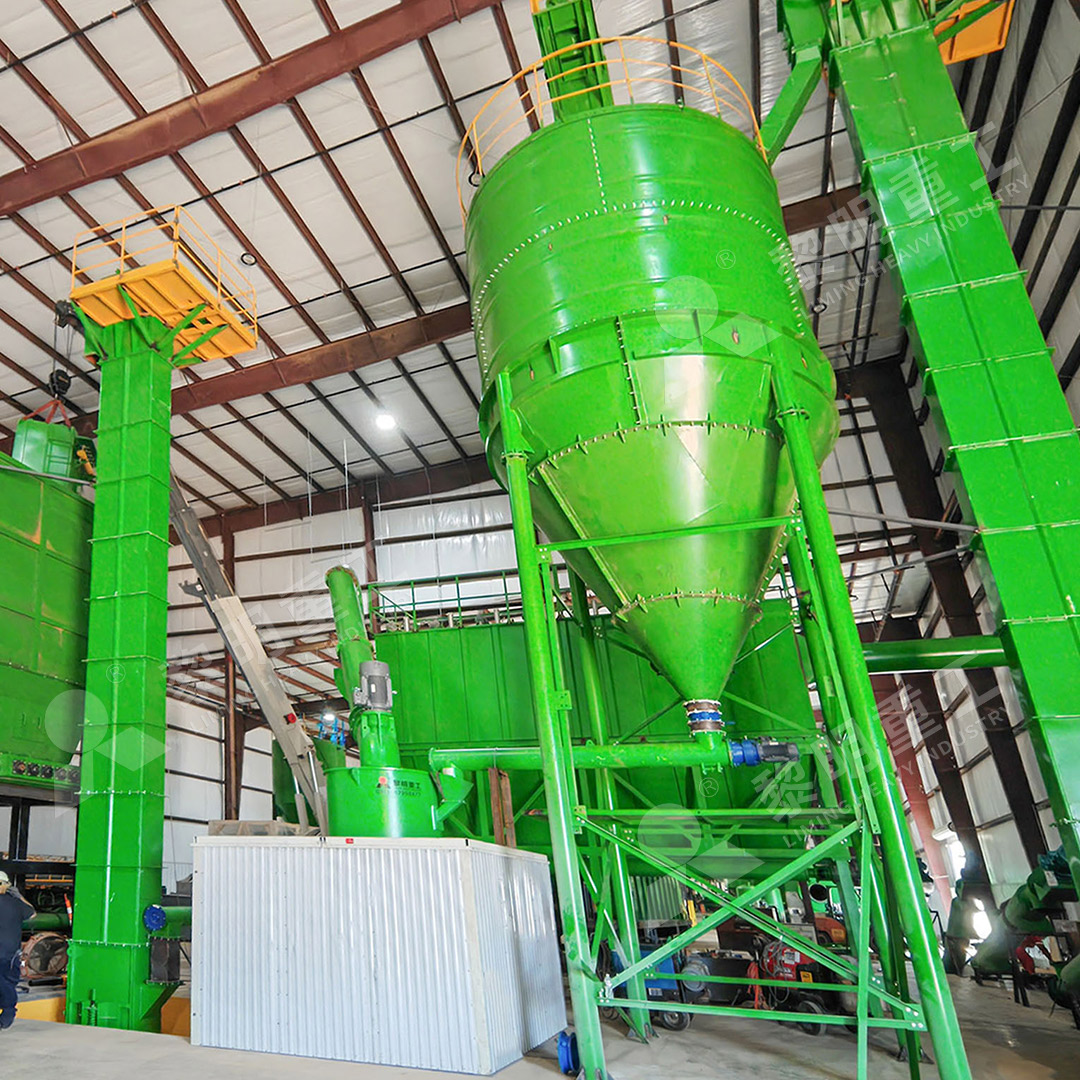
Perhaps most importantly for anthracite applications, it delivers Adjustable Fineness Between 325-2500 meshes through its German-technology cage-type powder selector. This ensures the precision needed for consistent 200 mesh production. The mill’s innovative design eliminates rolling bearings and screws in the grinding chamber entirely, removing common failure points and enabling worry-free 24-hour operation with external lubrication.
Environmental and Operational Benefits
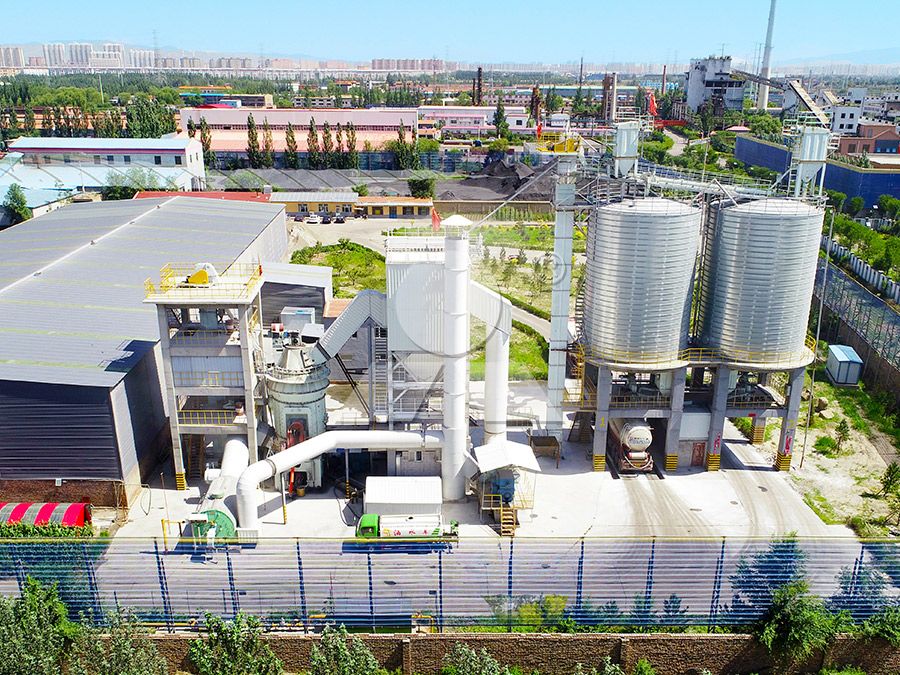
The environmental aspect of modern grinding cannot be overlooked. The MW Ultrafine Grinding Mill incorporates an efficient pulse dust collector and muffler system, effectively eliminating dust pollution and reducing noise to comply with stringent national environmental protection standards. This makes it particularly suitable for operations in regulated environments or near urban areas.
For operations with slightly different requirements, our LUM Ultrafine Vertical Grinding Mill offers complementary advantages. With input size of 0-10 mm and capacity of 5-18 tph, it incorporates the latest Taiwanese grinding roller technology and German powder separating technology. Its reversible structure greatly simplifies maintenance, while its double position-limiting technology ensures exceptional operational stability—critical factors for continuous processing operations.
Conclusion
The technological landscape for anthracite coal grinding has evolved remarkably. The convergence of precision engineering, intelligent control systems, and environmental consciousness has produced equipment capable of meeting the most demanding specifications reliably and efficiently. For operations targeting 200 mesh anthracite production, these advanced mills represent not just incremental improvement but a fundamental shift in what’s possible in mineral processing technology.