Aluminum Slag Processing: Crushing and Grinding Equipment for Metal Recovery
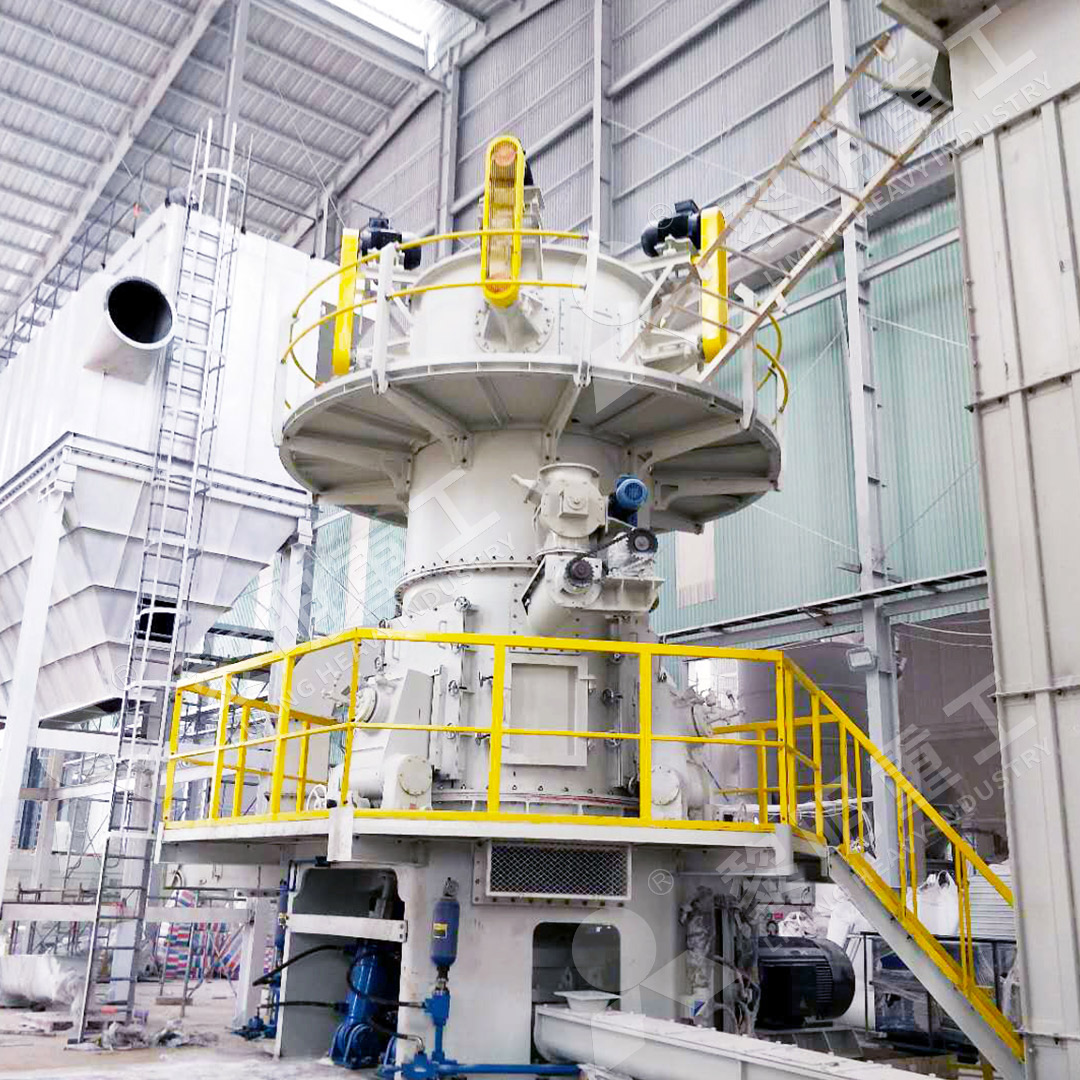
We provide a wide range of mills — including Raymond mill, trapezoidal mill, vertical mill, ultrafine mill, and ball mill, obtained ISO9001 international quality certification, EU CE certification, and Customs Union CU-TR certification. Suitable for processing minerals such as limestone, phosphate, quicklime, kaolin, talc, barite, bentonite, calcium carbonate, dolomite, coal, gypsum, clay, carbon black, slag, cement raw materials, cement clinker, and more.
The discharge range of these mills can be adjusted to meet specific processing needs, typically from 80-400 mesh, 600-3250 mesh, and can achieve the finest particle size of up to 6000 mesh(D50).
If you are looking for a reliable grinding solution to turn stone or minerals into fine powder, please feel free to contact our online customer service.
Aluminum Slag Processing: Crushing and Grinding Equipment for Metal Recovery
Aluminum slag, a byproduct of aluminum production and processing, contains significant amounts of recoverable metal. Efficient processing of this material is not only economically beneficial but also environmentally crucial. The key to maximizing metal recovery lies in the initial stages of size reduction: crushing and grinding. Proper equipment selection can dramatically improve yield, reduce energy consumption, and minimize environmental impact.
The Importance of Efficient Size Reduction
The primary goal in aluminum slag recycling is to liberate the metallic aluminum from the non-metallic oxides and other contaminants. This requires reducing the slag to a fine enough powder so that the metal particles can be effectively separated through subsequent processes like screening or eddy current separation. Inadequate grinding leads to poor liberation, meaning valuable metal is lost to the waste stream. Conversely, over-grinding consumes excessive energy and can create fines that are difficult to handle and separate.
Key Equipment for the Grinding Circuit
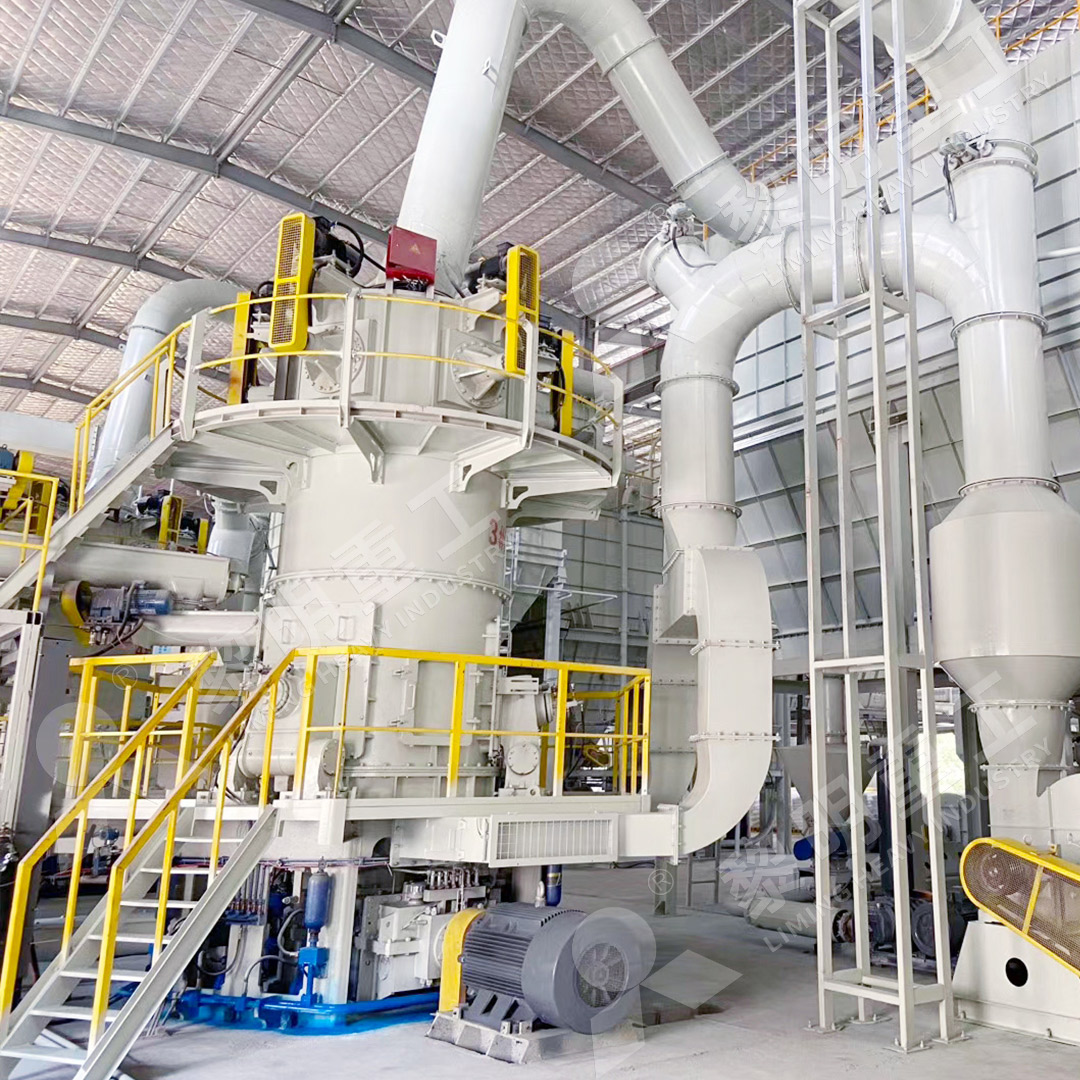
While jaw crushers and hammer mills are often used for primary and secondary crushing to achieve a coarse feed, the final and most critical step is fine grinding. For this stage, traditional ball mills have been common but are increasingly being replaced by more advanced, efficient technology. The ideal mill for aluminum slag must offer adjustable fineness, high efficiency, low wear, and minimal dust generation.
For operations focused on ultra-fine grinding to maximize metal liberation, the MW Ultrafine Grinding Mill presents an exceptional solution. This machine is specifically engineered for customers who need to produce ultra-fine powder from materials like aluminum slag. With an input size of 0-20 mm and a capacity range of 0.5-25 tph, it is perfectly suited for most slag recovery operations. Its cage-type powder selector, which adopts German technology, allows for precise fineness adjustment between 325-2500 meshes, ensuring the optimal particle size for maximum metal recovery. A significant advantage is its design without rolling bearings or screws in the grinding chamber, eliminating common failure points and concerns about loose components causing machine damage.
Operational and Environmental Benefits
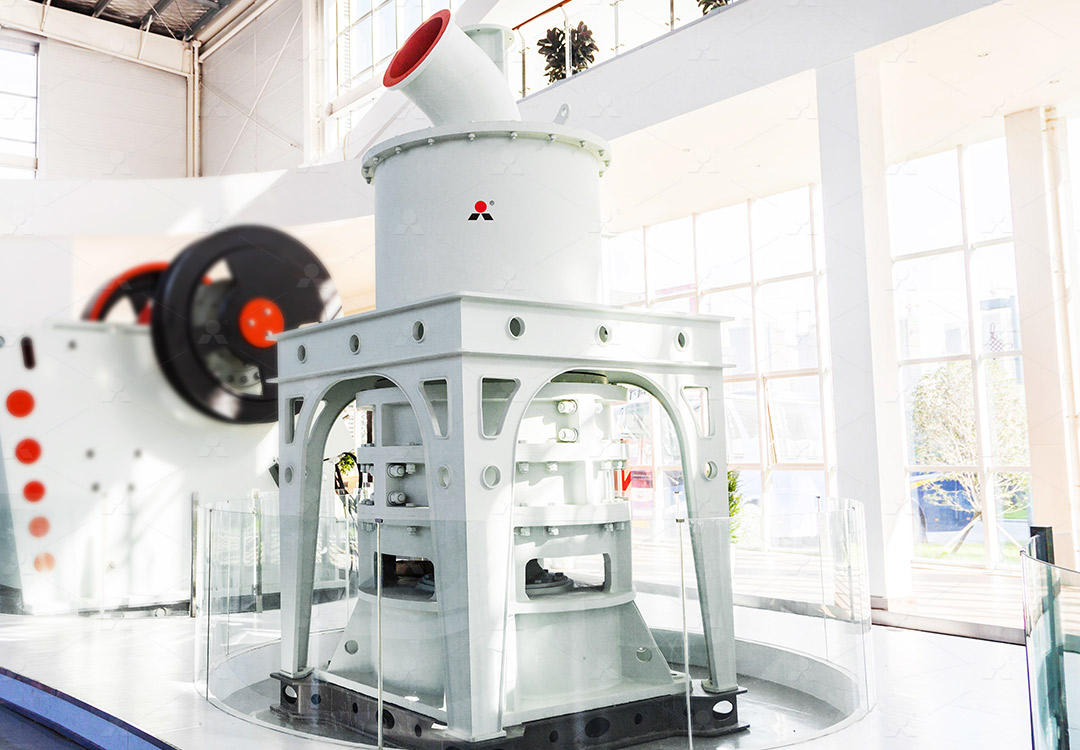
Beyond its technical specs, the MW Ultrafine Grinding Mill is designed with the entire production environment in mind. It is equipped with an efficient pulse dust collector and muffler, drastically reducing dust and noise pollution. This means the entire grinding process can be run with minimal effect on the surrounding environment, aligning with strict national环保 (environmental protection) standards. Furthermore, its higher yielding and lower energy consumption—reportedly 40% higher capacity than jet mills and 30% lower system energy consumption—translate directly into a lower cost per ton of processed slag and a quicker return on investment.
Conclusion
Investing in the right crushing and grinding technology is the cornerstone of a profitable and sustainable aluminum slag metal recovery operation. Moving beyond outdated ball mill technology to advanced, purpose-built mills like the MW Ultrafine Grinding Mill can unlock significant value. By achieving superior liberation of metal particles with higher efficiency and lower operational costs, operators can ensure they are recovering the maximum amount of valuable metal from their waste stream while maintaining an environmentally responsible operation.