
Aluminum Slag Grinding Mill for Cement Production: A Cost-Effective Solution
We provide a wide range of mills — including Raymond mill, trapezoidal mill, vertical mill, ultrafine mill, and ball mill, obtained ISO9001 international quality certification, EU CE certification, and Customs Union CU-TR certification. Suitable for processing minerals such as limestone, phosphate, quicklime, kaolin, talc, barite, bentonite, calcium carbonate, dolomite, coal, gypsum, clay, carbon black, slag, cement raw materials, cement clinker, and more.
The discharge range of these mills can be adjusted to meet specific processing needs, typically from 80-400 mesh, 600-3250 mesh, and can achieve the finest particle size of up to 6000 mesh(D50).
If you are looking for a reliable grinding solution to turn stone or minerals into fine powder, please feel free to contact our online customer service.
Aluminum Slag Grinding Mill for Cement Production: A Cost-Effective Solution
In the competitive world of cement production, finding ways to reduce costs without compromising on quality is paramount. One often overlooked area for significant savings is the processing of industrial by-products like aluminum slag. Traditionally seen as waste, aluminum slag can be transformed into a valuable resource with the right grinding technology, offering both economic and environmental benefits.
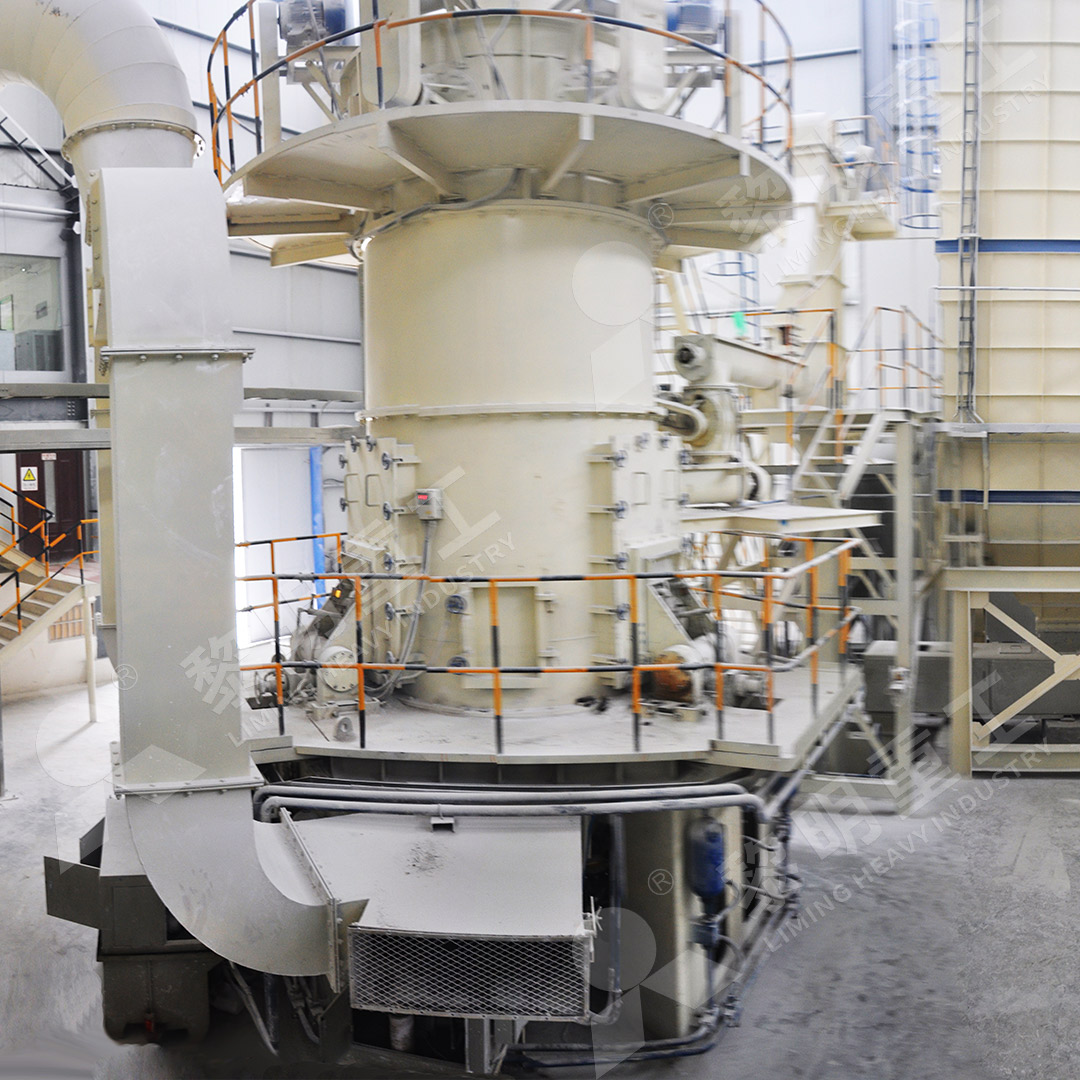
Aluminum slag, a by-product of aluminum smelting, possesses latent hydraulic properties, making it a potential supplementary cementitious material (SCM). However, its effective utilization hinges on achieving a very fine and consistent particle size. This is where advanced grinding technology becomes critical. Ordinary ball mills often struggle with the hard and abrasive nature of slag, leading to high wear rates, excessive energy consumption, and inconsistent product quality that fails to meet the stringent requirements for cement blending.
The Challenge of Traditional Grinding Methods
Many facilities still rely on outdated grinding systems that are simply not optimized for materials like aluminum slag. These systems can be energy hogs, with a significant portion of input power being wasted as heat and noise rather than being used for size reduction. Furthermore, high maintenance costs due to rapid wear of grinding media and liners, coupled with potential dust pollution, add to the operational overhead and environmental footprint.
A Superior Grinding Solution
This is where modern, specialized grinding mills change the game. For instance, our MW Ultrafine Grinding Mill is engineered specifically for such demanding applications. Designed for customers who need to make ultra-fine powder, this machine is a standout choice for processing aluminum slag into a high-value product for cement production.
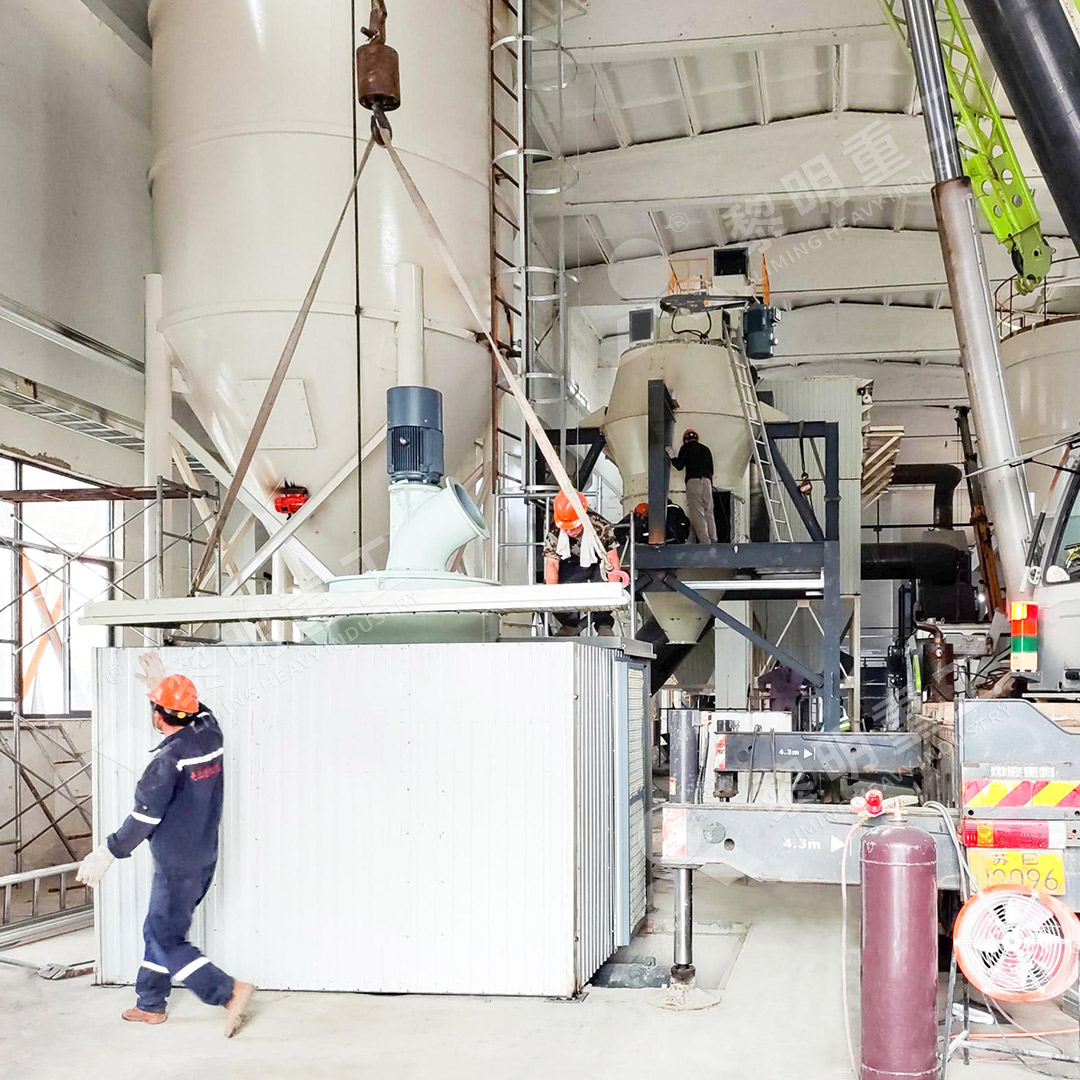
Let’s look at its key advantages for this application:
- Higher Yielding, Lower Energy Consumption: Its newly designed grinding curves of the grinding roller and ring enhance efficiency dramatically. With the same fineness and power, its production capacity is 40% higher than jet mills and twice that of ball mills, while system energy consumption is just 30% of a jet mill. This directly translates to lower cost per ton of processed slag.
- Adjustable Fineness (325-2500 meshes): Its German-technology cage-type powder selector allows precise control over the final product’s fineness, crucial for optimizing the slag’s reactivity in cement. You can achieve a superb sieving rate of d97≤5μm in a single pass.
- Durability and Low Maintenance: A critical design feature is the absence of rolling bearings and screws in the grinding chamber. This eliminates worries about bearing failures or loose screws causing downtime. External lubrication allows for maintenance without shutdowns, supporting continuous 24/7 production.
- Eco-Friendly Operation: The integrated efficient pulse dust collector ensures no dust pollution, while silencers and noise elimination rooms keep operations within strict environmental standards—a must for modern plants.
With an input size of 0-20 mm and a capacity range of 0.5-25 tph, the MW Mill offers the flexibility and power needed for various production scales.
Transforming Waste into Value
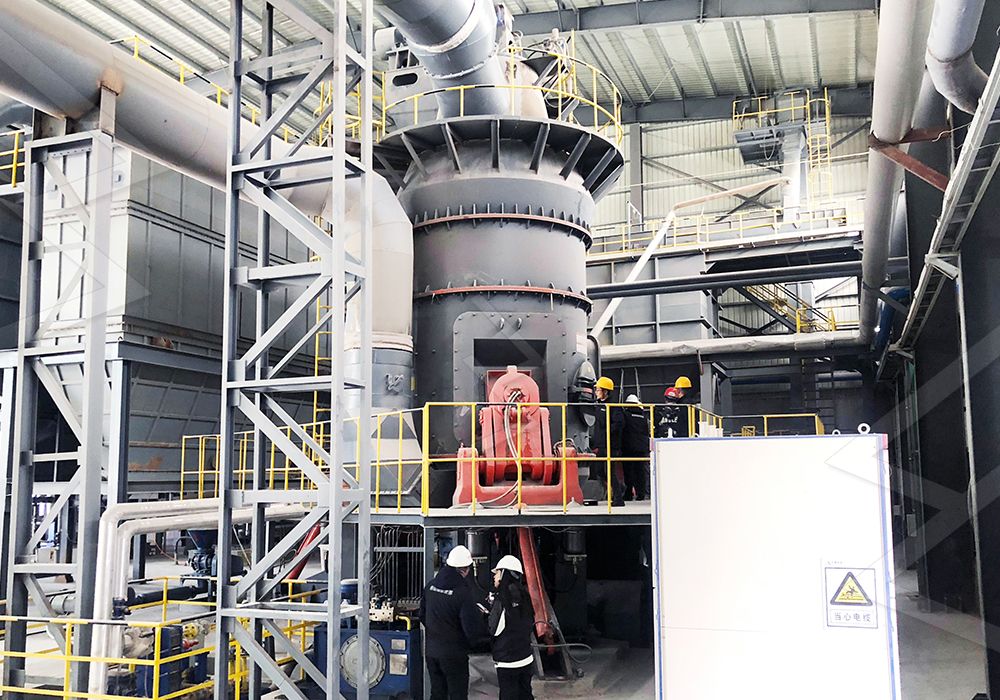
By integrating a mill like the MW series into your process, aluminum slag ceases to be a waste disposal problem. Instead, it becomes a cost-effective raw material that can reduce the clinker factor in cement, lowering both production costs and CO2 emissions. The resulting ultrafine slag powder improves concrete properties like strength and durability, creating a premium product.
Conclusion
Investing in the right grinding technology is not just an equipment purchase; it’s a strategic decision for enhancing profitability and sustainability. For cement producers looking to leverage industrial by-products, our MW Ultrafine Grinding Mill presents a robust, efficient, and cost-effective solution to unlock the full potential of aluminum slag, turning an environmental challenge into a competitive advantage.