
Aluminum Plant Overhaul: 300,000 Ton Annual Output Slag Grinding Project Equipment and Process
We provide a wide range of mills — including Raymond mill, trapezoidal mill, vertical mill, ultrafine mill, and ball mill, obtained ISO9001 international quality certification, EU CE certification, and Customs Union CU-TR certification. Suitable for processing minerals such as limestone, phosphate, quicklime, kaolin, talc, barite, bentonite, calcium carbonate, dolomite, coal, gypsum, clay, carbon black, slag, cement raw materials, cement clinker, and more.
The discharge range of these mills can be adjusted to meet specific processing needs, typically from 80-400 mesh, 600-3250 mesh, and can achieve the finest particle size of up to 6000 mesh(D50).
If you are looking for a reliable grinding solution to turn stone or minerals into fine powder, please feel free to contact our online customer service.
Aluminum Plant Overhaul: 300,000 Ton Annual Output Slag Grinding Project Equipment and Process
Overhauling an aluminum plant’s slag processing line for a 300,000-ton annual output is a significant undertaking that demands precision equipment selection and a meticulously planned process flow. The primary objective is to transform raw, coarse slag into a valuable, fine-powdered product suitable for applications in cement blending, concrete additive, or even road base material. This requires a grinding system that is not only high-capacity but also energy-efficient, reliable, and environmentally compliant.
The Critical Role of Grinding Mill Selection
The heart of any slag grinding project is the mill itself. Traditional solutions like ball mills, while robust, often fall short in terms of energy efficiency and footprint for such a large-scale operation. The industry has steadily moved towards vertical roller mills (VRMs) for their superior grinding efficiency and lower specific power consumption. For aluminum slag, which can be abrasive and vary in moisture content, the mill must be exceptionally durable and capable of integrating drying functionality.
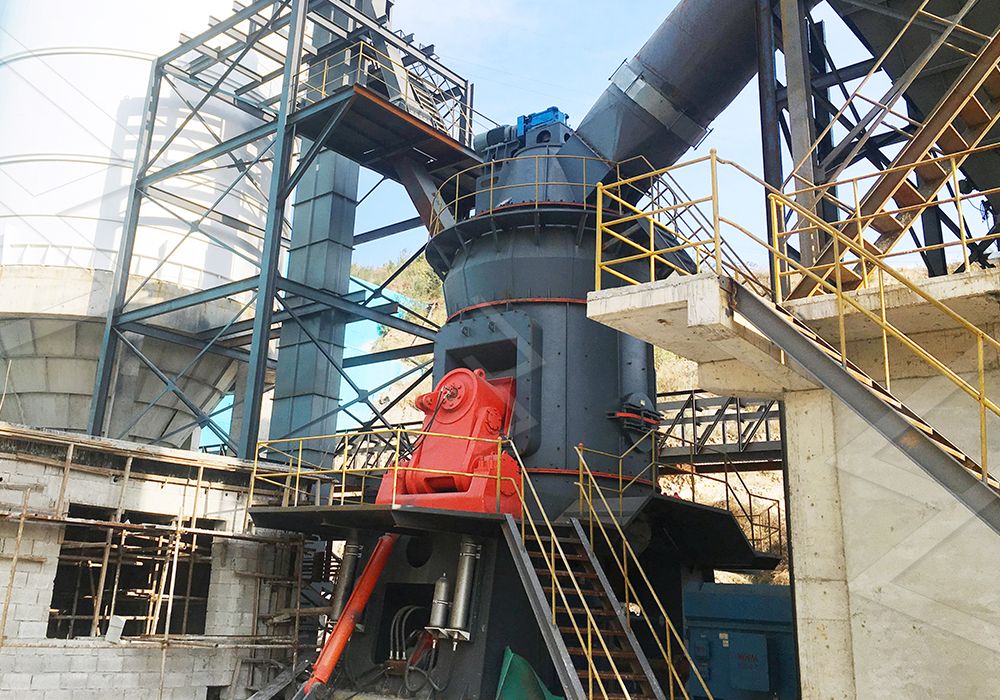
Our technical analysis for this specific 300k-ton project immediately ruled out smaller, less efficient options. We needed a workhorse capable of handling the abrasive nature of slag while delivering a consistent product fineness between 400-450 m²/kg Blaine surface area. After evaluating several technologies, the LM Vertical Slag Mill emerged as the standout candidate. Its design integrates crushing, drying, grinding, and powder selection into a single, compact unit, reducing the overall plant footprint by nearly 50% compared to a ball mill system. More importantly, its energy consumption is a remarkable 30-40% lower, which translates to massive operational cost savings over the lifetime of the plant.
Process Flow: From Raw Slag to Value-Added Product
The process begins with the raw slag, typically with a feed size of 0-25mm, being transported from the storage yard. A vibrating feeder meters the material onto a belt conveyor, which carries it to the top of the LM Vertical Slag Mill. Hot air from a dedicated hot air generator, often fired by natural gas, is introduced into the mill to dry the slag during the grinding process—a crucial step for ensuring optimal grinding efficiency and preventing clogging.
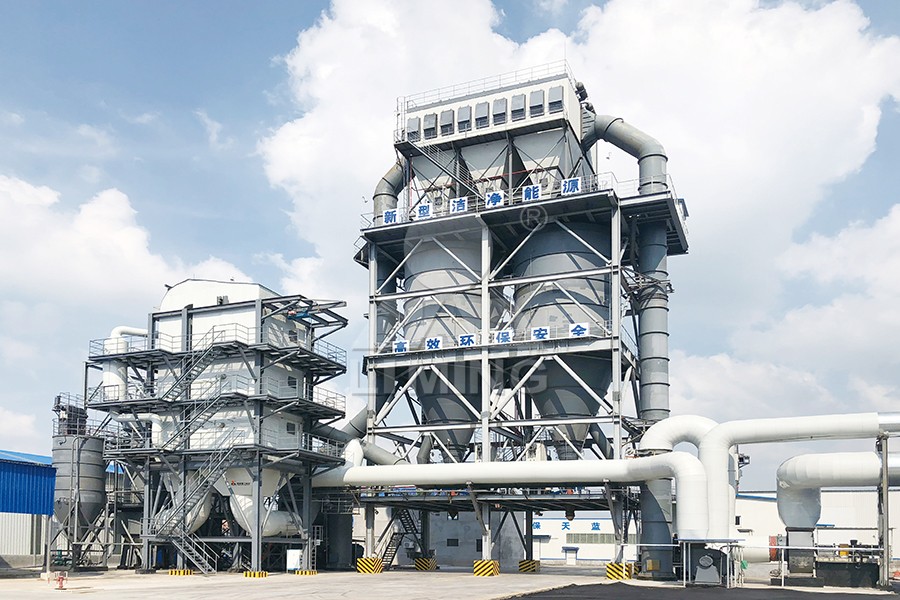
Inside the mill, the material is ground between the rotating grinding table and the stationary grinding rollers. The ground material is then carried by the hot air stream up to a high-efficiency separator mounted atop the mill. Here, oversized particles are rejected and fall back to the table for further grinding, while the perfectly sized fines are carried with the air flow to a series of cyclones and a baghouse dust collector. The final product is collected from the bottom of these collectors, ready for storage and shipment. The clean air is then exhausted to the atmosphere by a main system fan.
Why the LM Vertical Slag Mill is the Optimal Choice
For this scale of project, the LM Vertical Slag Mill’s advantages are undeniable. Its integrated drying capability handles the inherent moisture in slag without a pre-dryer. Its low wear rate, due to the lack of direct metal-to-metal contact between rollers and table, ensures longer operational periods between maintenance shutdowns. Furthermore, its fully automated control system allows for precise control over fineness, throughput, and temperature, ensuring a stable and high-quality product 24/7. The environmental benefits are also significant, with the entire system operating under negative pressure, eliminating dust emissions and keeping noise levels well within regulatory limits.
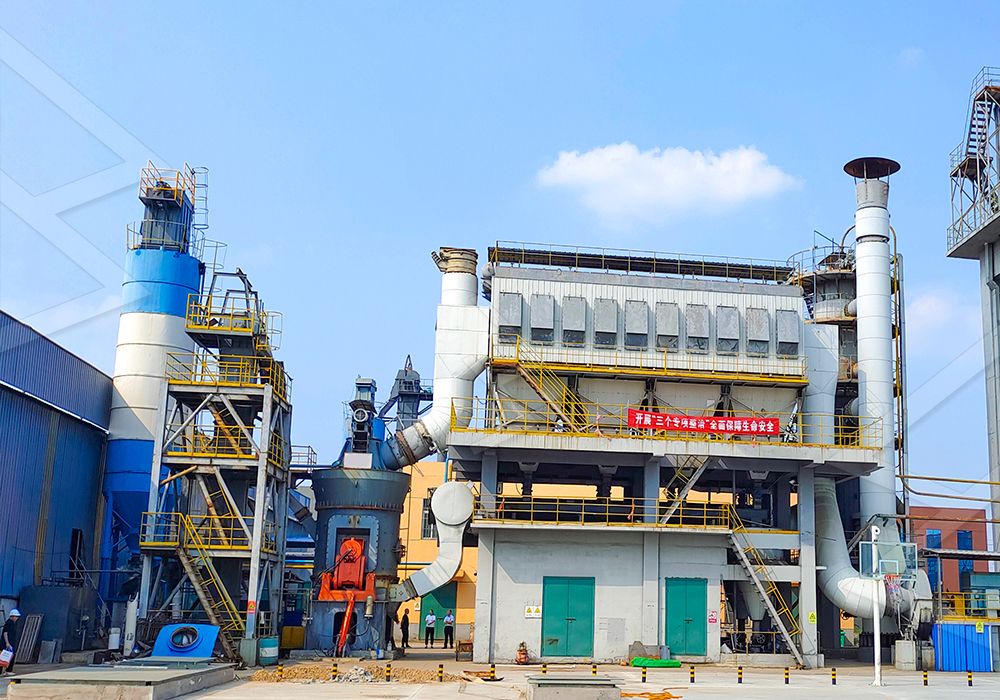
In conclusion, overhauling a slag grinding line to handle 300,000 tons annually is a complex but rewarding project. By centering the process around a technologically advanced and efficient mill like the LM Vertical Slag Mill, plant operators can achieve not only their production targets but also substantial reductions in operating costs and environmental impact, turning a waste product into a significant revenue stream.