
Aluminum Electrolytic Cell Overhaul Slag Grinding and Lithium Extraction Process
We provide a wide range of mills — including Raymond mill, trapezoidal mill, vertical mill, ultrafine mill, and ball mill, obtained ISO9001 international quality certification, EU CE certification, and Customs Union CU-TR certification. Suitable for processing minerals such as limestone, phosphate, quicklime, kaolin, talc, barite, bentonite, calcium carbonate, dolomite, coal, gypsum, clay, carbon black, slag, cement raw materials, cement clinker, and more.
The discharge range of these mills can be adjusted to meet specific processing needs, typically from 80-400 mesh, 600-3250 mesh, and can achieve the finest particle size of up to 6000 mesh(D50).
If you are looking for a reliable grinding solution to turn stone or minerals into fine powder, please feel free to contact our online customer service.
Aluminum Electrolytic Cell Overhaul Slag Grinding and Lithium Extraction Process
The aluminum smelting industry generates substantial amounts of solid waste during the periodic overhaul of electrolytic cells. This overhaul slag, often considered an environmental liability, contains valuable elements, particularly lithium, which can be recovered through advanced processing techniques. The efficient extraction of lithium from this waste stream not only adds economic value but also contributes to a circular economy by reducing landfill burden and supplying critical raw materials for batteries and other high-tech applications.
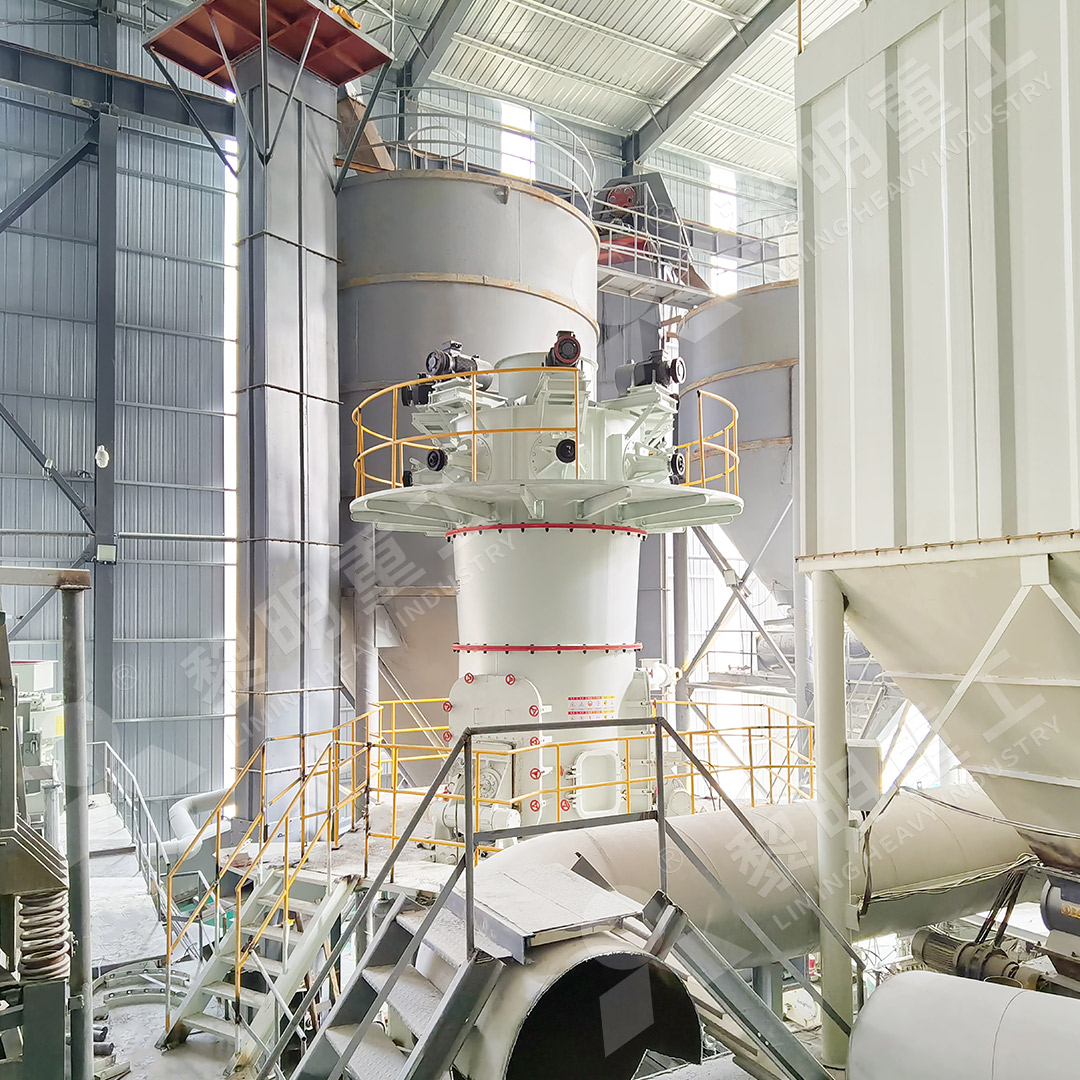
The Challenge of Overhaul Slag
Aluminum electrolytic cell overhaul slag is a complex material characterized by its heterogeneous composition, varying particle sizes, and often abrasive nature. Traditional crushing and grinding methods frequently prove inadequate for achieving the liberation size necessary for effective lithium extraction. The material’s hardness and variability demand grinding equipment capable of handling these challenges while maintaining consistent output quality and operational efficiency.
Critical Role of Ultrafine Grinding
The success of the subsequent hydrometallurgical lithium extraction process hinges on achieving a specific particle size distribution. Ultrafine grinding increases the surface area of the slag particles, dramatically enhancing the reactivity during the leaching phase. This step is crucial for maximizing lithium recovery rates and minimizing chemical consumption. For this application, we highly recommend our MW Ultrafine Grinding Mill. With an input size of 0-20 mm and a capacity range of 0.5-25 tph, it is exceptionally well-suited for processing overhaul slag. Its ability to produce powder with adjustable fineness between 325-2500 meshes ensures optimal conditions for the leaching process. The mill’s design, free from rolling bearings and screws in the grinding chamber, eliminates common failure points when processing abrasive materials, ensuring greater operational reliability.
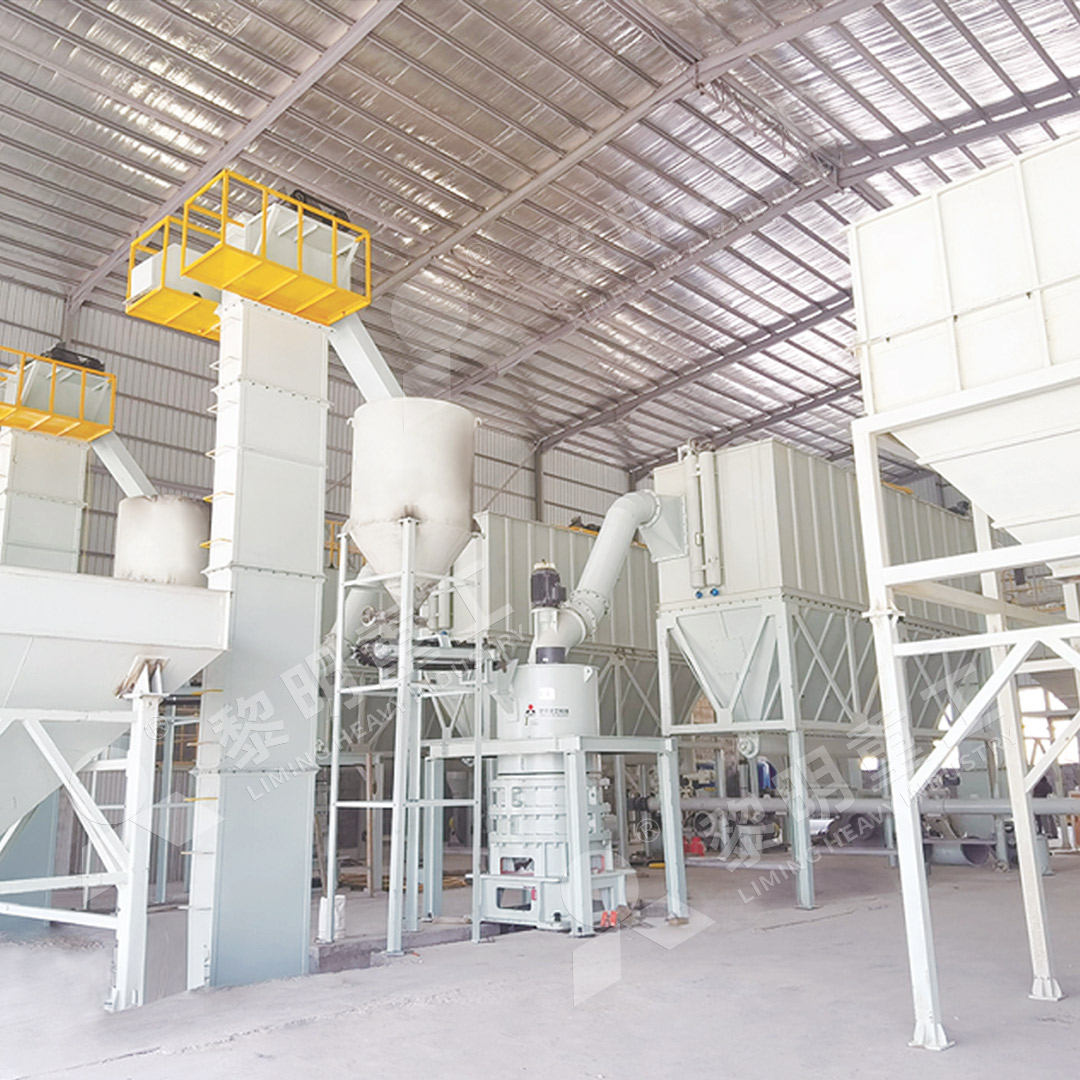
Integrated Process Flow
A typical integrated process begins with primary crushing of the slag to reduce it to a manageable size for the grinding mill. The pre-crushed material is then fed into the ultrafine grinding mill. The finely ground powder is subjected to a roasting step, often with additives like sulfate salts, to convert lithium compounds into water-soluble forms. The roasted product is then leached, typically with water or a weak acid solution, to dissolve the lithium. The pregnant leach solution undergoes purification, concentration, and finally, precipitation to recover lithium carbonate or hydroxide.
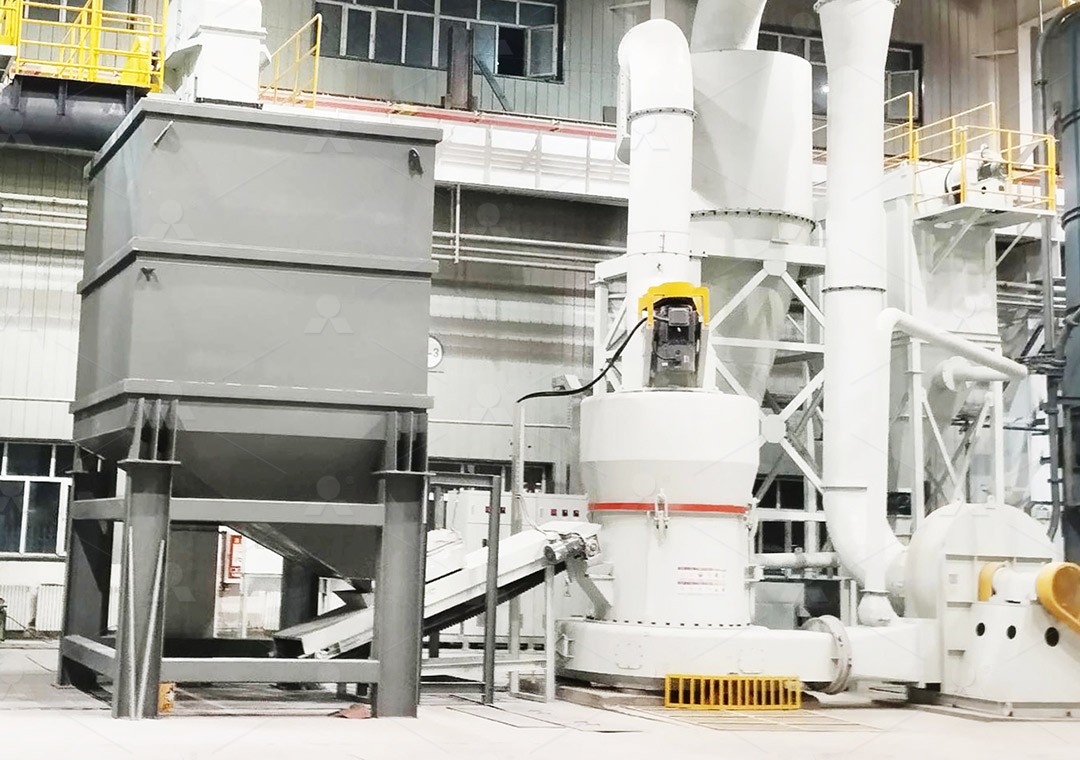
For operations requiring integration of drying and grinding, or for handling slightly larger initial feed sizes, the LUM Ultrafine Vertical Grinding Mill presents an excellent alternative. Its input size of 0-10 mm and capacity of 5-18 tph, combined with advanced powder separating technology, offers high yielding rates and significant energy savings. The reversible structure of the LUM mill simplifies maintenance, a critical factor for minimizing downtime in continuous processing plants.
Economic and Environmental Benefits
Implementing a slag grinding and lithium extraction process transforms a waste management cost into a revenue stream. The recovered lithium commands a high market value, while the residual slag, after lithium extraction, can often be repurposed in construction materials, leading to near-zero waste. This approach aligns with stringent environmental regulations and enhances the sustainability profile of aluminum smelting operations.
Frequently Asked Questions (FAQ)
What is the typical lithium content in aluminum electrolytic cell overhaul slag?
The lithium content can vary significantly depending on the original carbon anode materials and smelting process, but it generally ranges from 0.5% to 2.5% Li2O, making it a commercially viable source for recovery.
Why is ultrafine grinding so important for lithium extraction?
Ultrafine grinding liberates the lithium-bearing minerals from the slag matrix and creates a high surface area, which is essential for efficient chemical reaction during the roasting and leaching stages. Inadequate grinding can lead to low lithium recovery yields.
Can the MW Grinding Mill handle the abrasive nature of the slag?
Yes, the MW Ultrafine Grinding Mill is designed with robust materials and a unique chamber design that avoids vulnerable components like internal rolling bearings and screws. This makes it highly resistant to the abrasive wear typically caused by electrolytic slag.
What is the overall recovery rate for lithium using this process?
With proper process control, including optimal grinding fineness, roasting conditions, and leaching parameters, lithium recovery rates can exceed 85-90%.
Is the process environmentally sound?
Absolutely. The process is designed as a closed-loop system. The grinding mill is equipped with efficient pulse dust collectors, and the hydrometallurgical section treats and recycles process water. The ultimate goal is to valorize waste with minimal environmental impact.