Aluminium Rolling Mills in Indonesia: A Comprehensive Guide to Suppliers and Processes
We provide a wide range of mills — including Raymond mill, trapezoidal mill, vertical mill, ultrafine mill, and ball mill, obtained ISO9001 international quality certification, EU CE certification, and Customs Union CU-TR certification. Suitable for processing minerals such as limestone, phosphate, quicklime, kaolin, talc, barite, bentonite, calcium carbonate, dolomite, coal, gypsum, clay, carbon black, slag, cement raw materials, cement clinker, and more.
The discharge range of these mills can be adjusted to meet specific processing needs, typically from 80-400 mesh, 600-3250 mesh, and can achieve the finest particle size of up to 6000 mesh(D50).
If you are looking for a reliable grinding solution to turn stone or minerals into fine powder, please feel free to contact our online customer service.
Aluminium Rolling Mills in Indonesia: A Comprehensive Guide to Suppliers and Processes
Indonesia’s aluminium industry has seen significant growth over the past decade, with rolling mills playing a crucial role in the production of high-quality aluminium sheets, plates, and foils. These mills transform raw aluminium into versatile products used in construction, packaging, automotive, and aerospace industries. The process involves heating, rolling, annealing, and finishing, each step requiring precision and reliability.
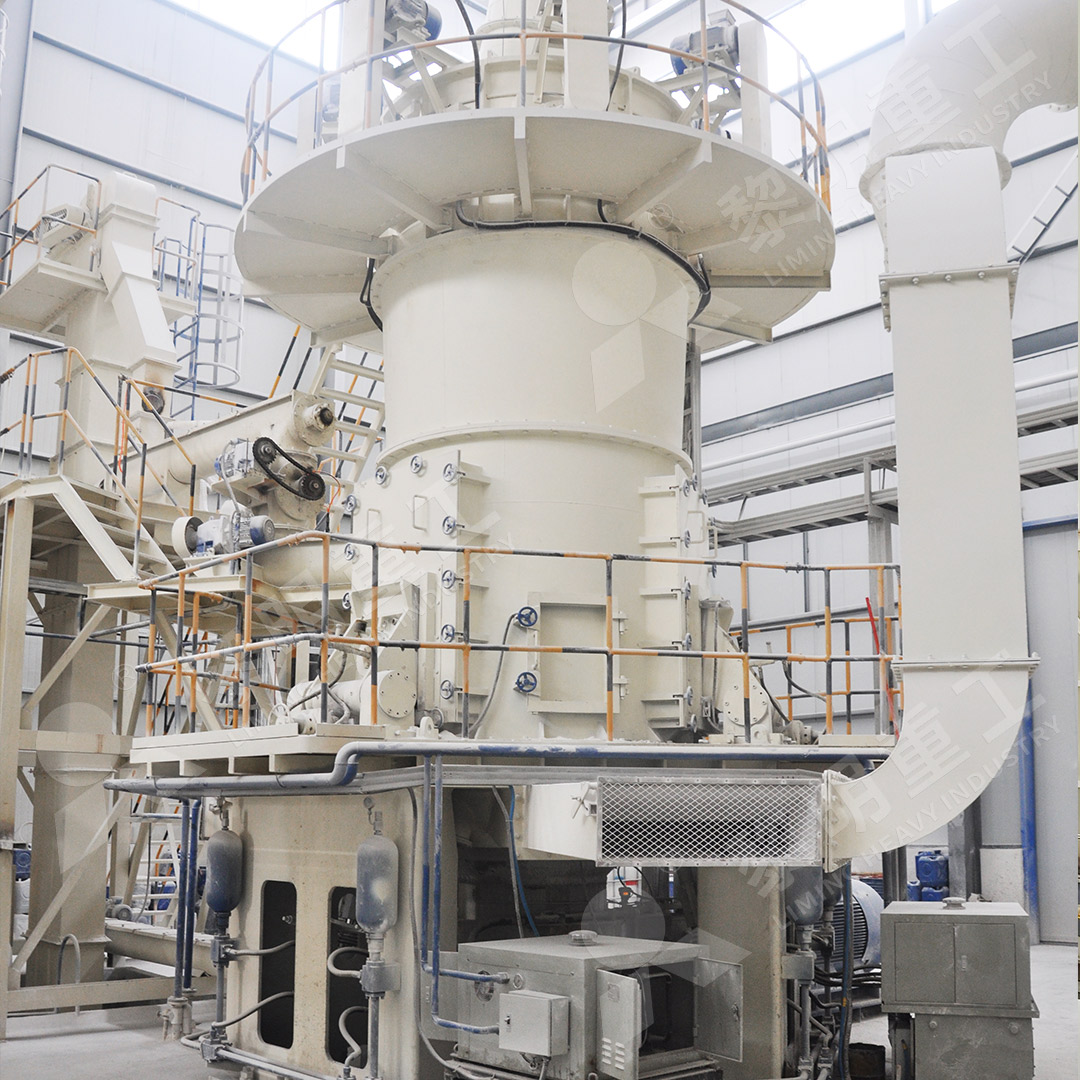
One of the key challenges in aluminium rolling is achieving the desired fineness and consistency in the final product, especially when dealing with additives or coatings. This is where advanced grinding technology comes into play. For instance, the MW Ultrafine Grinding Mill from LIMING is an excellent solution for processing materials like limestone, talc, or barite used in aluminium production coatings. With an input size of 0-20 mm and a capacity of 0.5-25 tph, it ensures higher yielding and lower energy consumption, making it ideal for Indonesian mills aiming to optimize their operations.
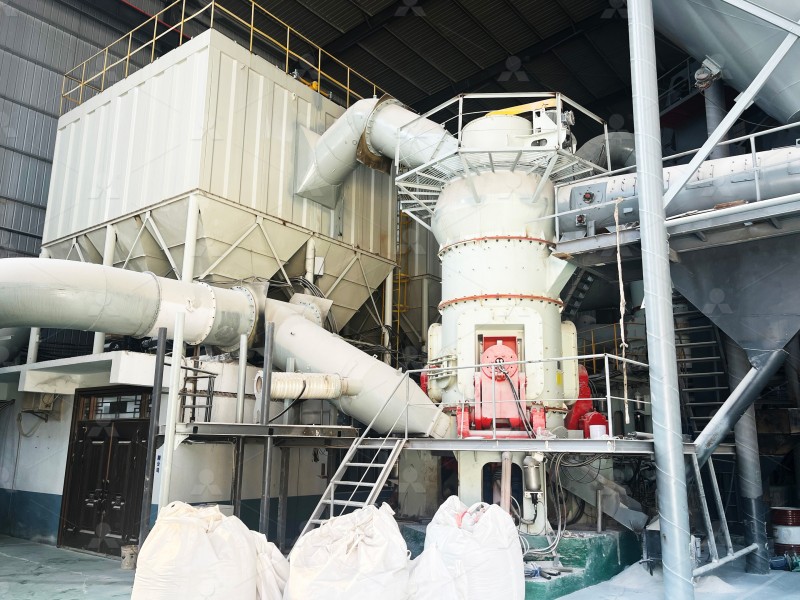
The rolling process typically starts with melting and casting aluminium into slabs, which are then heated and passed through rolling stands to reduce thickness. Indonesian suppliers such as PT Indonesia Asahan Aluminium and PT Inalum are major players, leveraging local bauxite resources. However, maintaining equipment efficiency is vital. Grinding mills like the LUM Ultrafine Vertical Grinding Mill (input size: 0-10 mm, capacity: 5-18 tph) can enhance material preparation, offering features like adjustable fineness and eco-friendly dust removal, which align with Indonesia’s push for sustainable manufacturing.
In addition to traditional methods, many mills are adopting digitalized processing for higher precision. This includes using numerical control systems to monitor rolling parameters and ensure consistent quality. For auxiliary processes, such as grinding additives for coatings, the MW Ultrafine Grinding Mill’s no-rolling-bearing design reduces maintenance downtime, a common issue in humid Indonesian climates.
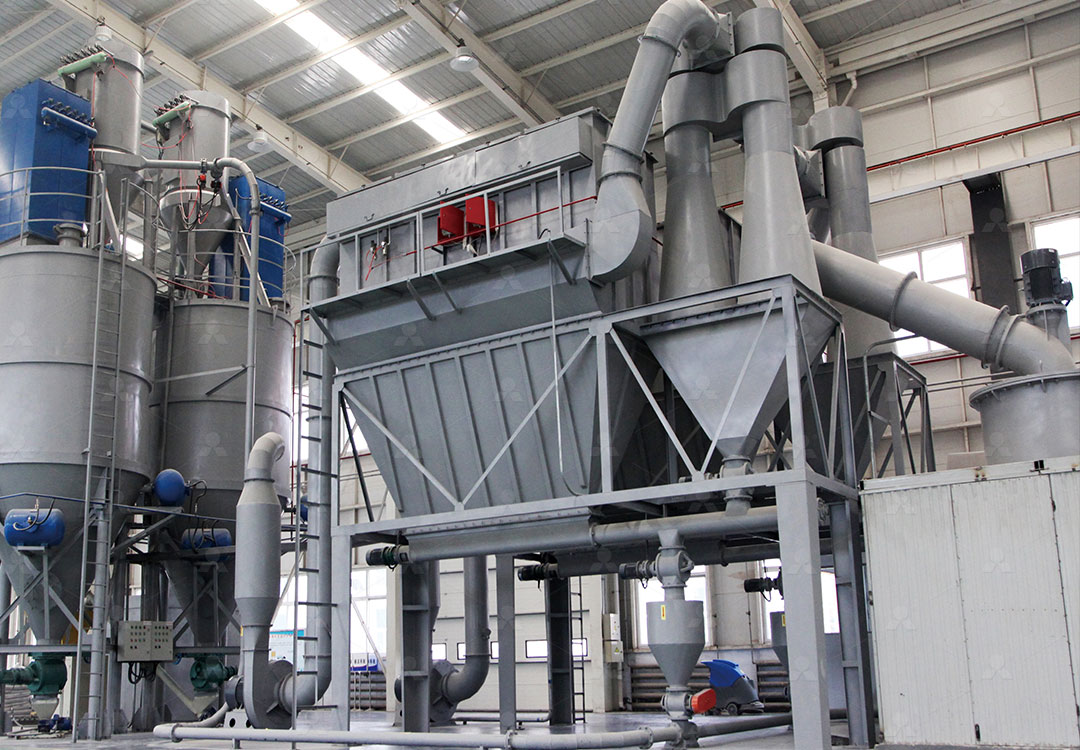
Overall, Indonesia’s aluminium rolling industry is poised for further expansion, driven by domestic demand and export opportunities. Investing in reliable equipment, like LIMING’s grinding mills, can help suppliers improve productivity and meet international standards. As the market evolves, embracing technologies that offer energy savings and environmental benefits will be key to staying competitive.
For those looking to upgrade their processes, exploring grinding solutions such as the MW series could provide a significant advantage, ensuring smooth operations and high-quality output in aluminium rolling applications.