
Aluminium Rolling Mill Machinery Price Guide: Factors Affecting Cost & Budget Planning
We provide a wide range of mills — including Raymond mill, trapezoidal mill, vertical mill, ultrafine mill, and ball mill, obtained ISO9001 international quality certification, EU CE certification, and Customs Union CU-TR certification. Suitable for processing minerals such as limestone, phosphate, quicklime, kaolin, talc, barite, bentonite, calcium carbonate, dolomite, coal, gypsum, clay, carbon black, slag, cement raw materials, cement clinker, and more.
The discharge range of these mills can be adjusted to meet specific processing needs, typically from 80-400 mesh, 600-3250 mesh, and can achieve the finest particle size of up to 6000 mesh(D50).
If you are looking for a reliable grinding solution to turn stone or minerals into fine powder, please feel free to contact our online customer service.
Aluminium Rolling Mill Machinery Price Guide: Factors Affecting Cost & Budget Planning
Investing in aluminium rolling mill machinery requires careful consideration of multiple factors that influence both upfront costs and long-term operational efficiency. This guide breaks down key cost drivers and highlights how strategic equipment selection—such as LIMING’s MW Ultrafine Grinding Mill—can optimize your budget.
Key Factors Affecting Machinery Costs
1. Production Capacity & Throughput
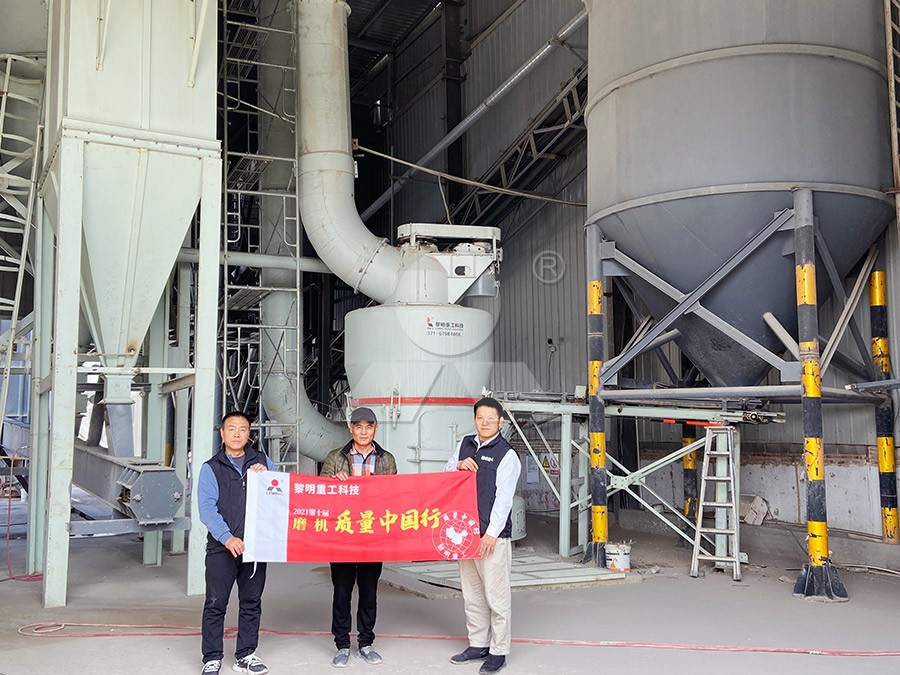
Higher-capacity machines command premium prices but reduce per-ton processing costs. For mid-range needs (0.5–25 tph), the MW Ultrafine Grinding Mill offers a balanced solution with 40% higher yield than jet mills.
2. Energy Efficiency
Look for ISO-certified systems with advanced grinding curves. LIMING’s MW model consumes 30% less energy than conventional mills, cutting operational expenses by up to 50% over 5 years.
3. Material Compatibility
Specialized alloys or abrasive materials may require hardened components. Both MW and LUM Ultrafine Vertical Grinding Mills support limestone, talc, and aluminium composites with wear-resistant roller shells.
Budget Planning Strategies
1. Total Cost of Ownership (TCO)
Factor in maintenance, spare parts availability, and downtime costs. LIMING provides original components for all mills, including the MW series’ external lubrication system that enables 24/7 operation.
2. Environmental Compliance
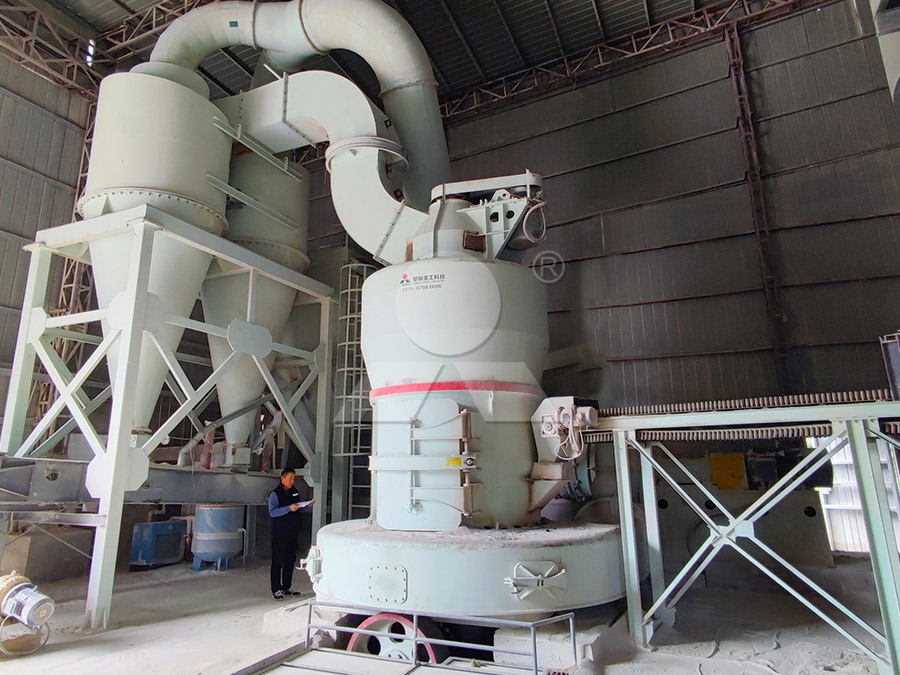
Dust collection and noise reduction features prevent regulatory fines. The MW mill’s pulse dust collector (d97≤5μm filtration) and muffler system meet EU emission standards.
3. Automation Level
Digitally controlled mills like the LUM series with PLC systems reduce labor costs and improve consistency—critical for aerospace-grade aluminium powder production.
Why Choose LIMING’s Grinding Solutions?
For aluminium processors seeking precision and reliability:
- MW Ultrafine Grinding Mill: Ideal for 325–2500 mesh powders with German-designed cage selectors
- LUM Vertical Mill: Best for high-volume operations (5–18 tph) with reversible roller maintenance
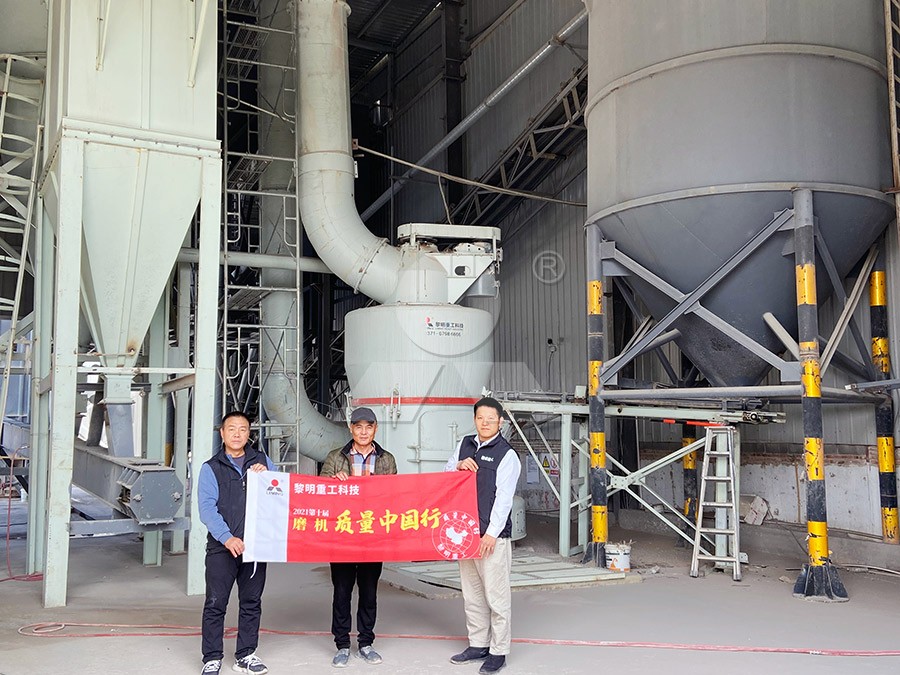
Pro Tip: Request a free material test at LIMING’s facility to validate mill performance for your specific aluminium alloy before purchase.