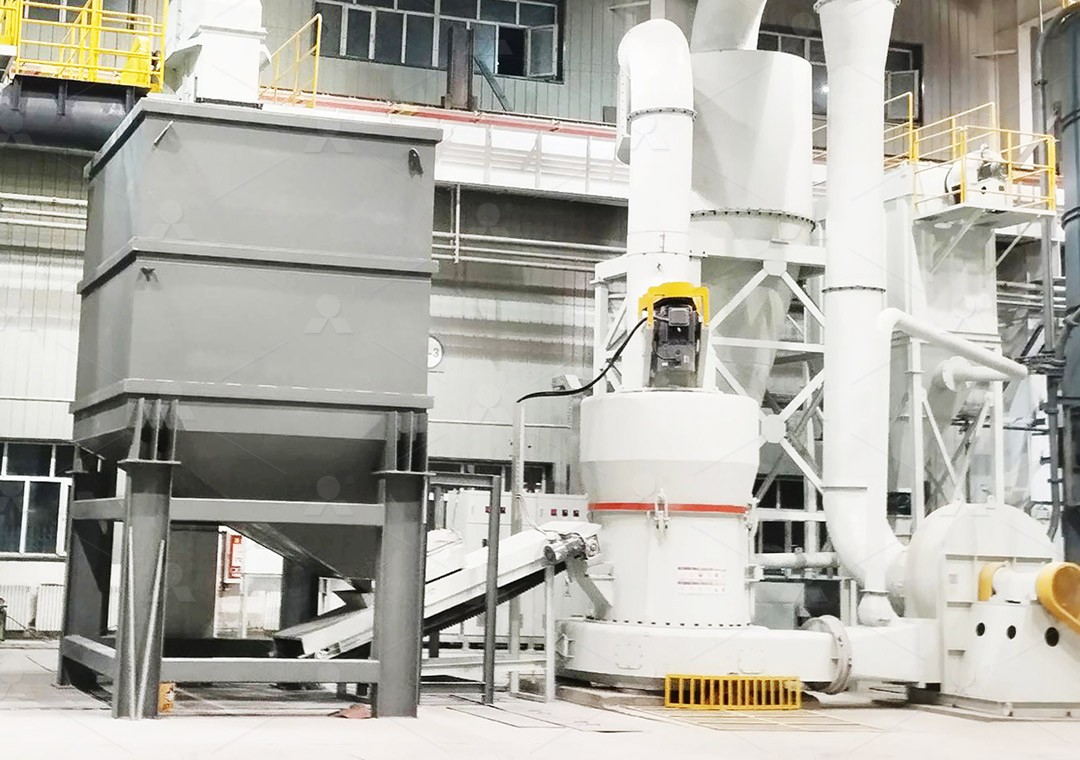
Aluminium Foil Cold Rolling Mill Manufacturers in Germany: Technology and Quality Standards
We provide a wide range of mills — including Raymond mill, trapezoidal mill, vertical mill, ultrafine mill, and ball mill, obtained ISO9001 international quality certification, EU CE certification, and Customs Union CU-TR certification. Suitable for processing minerals such as limestone, phosphate, quicklime, kaolin, talc, barite, bentonite, calcium carbonate, dolomite, coal, gypsum, clay, carbon black, slag, cement raw materials, cement clinker, and more.
The discharge range of these mills can be adjusted to meet specific processing needs, typically from 80-400 mesh, 600-3250 mesh, and can achieve the finest particle size of up to 6000 mesh(D50).
If you are looking for a reliable grinding solution to turn stone or minerals into fine powder, please feel free to contact our online customer service.
Aluminium Foil Cold Rolling Mill Manufacturers in Germany: Technology and Quality Standards
Germany has long been a global hub for precision engineering and high-quality manufacturing, particularly in the realm of industrial machinery. When it comes to aluminium foil cold rolling mills, German manufacturers are renowned for their cutting-edge technology, rigorous quality standards, and relentless pursuit of efficiency. These mills are critical in producing the thin, uniform, and high-strength aluminium foil used in packaging, insulation, and electronics.
German engineering in this sector emphasizes automation, precision control, and energy efficiency. The cold rolling process involves passing aluminium sheets through multiple rollers at room temperature to achieve the desired thickness—often as thin as 0.006 mm. This requires machinery that can maintain extreme precision, minimize material waste, and operate consistently under high stress. German manufacturers leverage advanced hydraulic systems, digital control interfaces, and robust construction to meet these demands.
Quality standards are paramount. Mills must adhere to strict tolerances, surface finish requirements, and material integrity checks. German manufacturers often integrate real-time monitoring systems using IoT sensors and AI-driven analytics to detect anomalies and optimize performance. This focus on quality extends to environmental considerations, with many mills designed to reduce energy consumption and noise pollution.
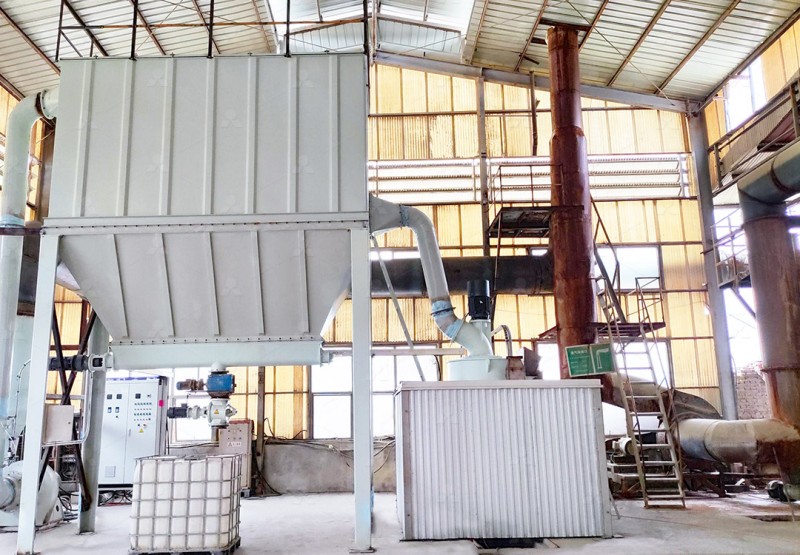
In related industries, such as mineral processing and powder grinding, similar principles of precision and efficiency apply. For instance, in the production of additives or coatings used in aluminium foil manufacturing, ultrafine grinding mills play a crucial role. One standout product in this area is the MW Ultrafine Grinding Mill, which excels in producing ultra-fine powders with high consistency and low energy consumption. With an input size of 0-20 mm and a capacity of 0.5-25 tph, it’s ideal for processing materials like limestone, talc, and barite—common additives in industrial applications. Its efficient pulse dust collector and muffler system ensure eco-friendly operation, aligning with Germany’s stringent environmental standards.
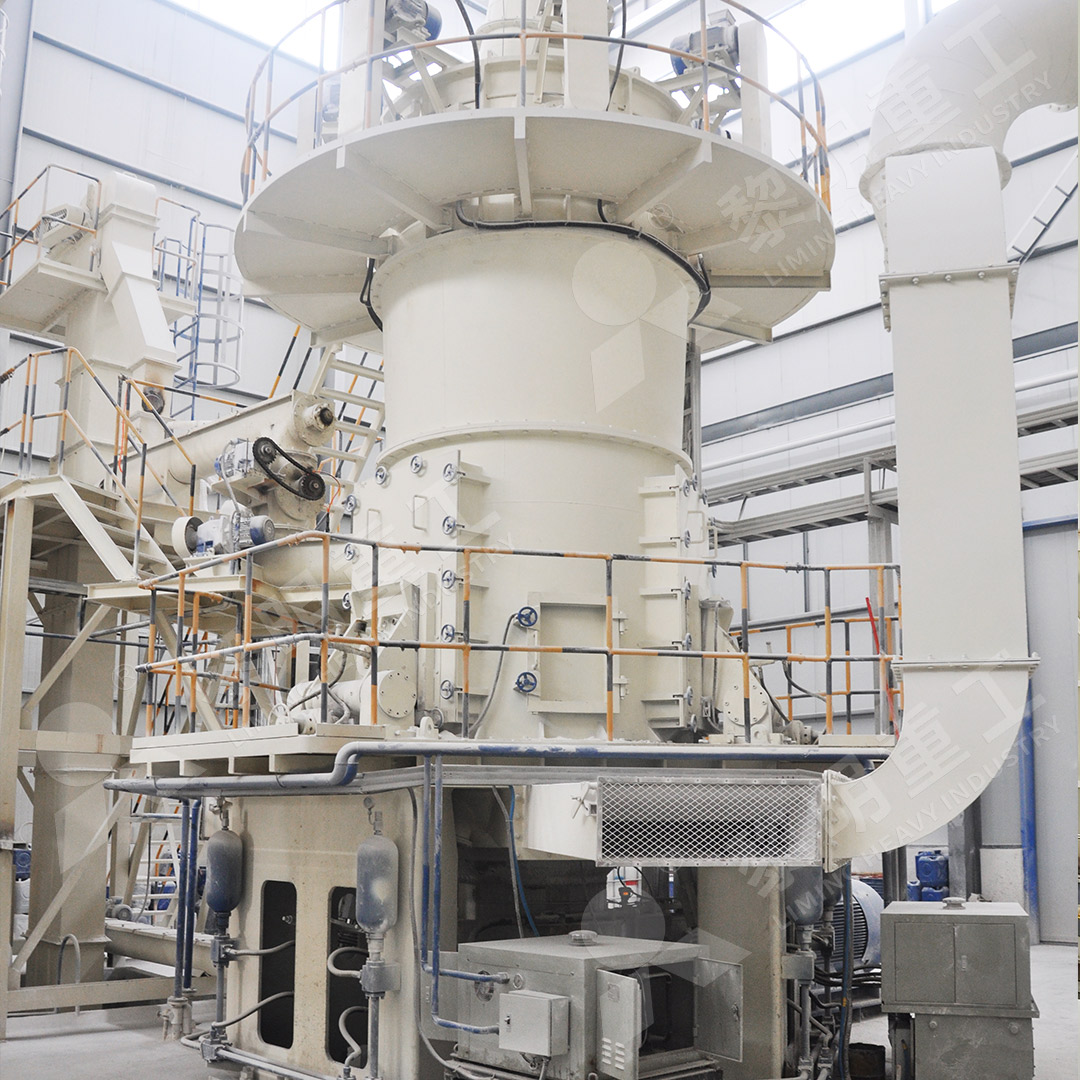
Another notable product is the LUM Ultrafine Vertical Grinding Mill, which offers exceptional grinding efficiency and flexibility. Designed with German powder separating technology, it handles inputs up to 10 mm and capacities of 5-18 tph, making it perfect for producing superfine powders used in chemicals and cosmetics. Its reversible structure simplifies maintenance, reducing downtime—a key consideration for high-volume production environments.
German cold rolling mill manufacturers often collaborate with suppliers of such grinding equipment to ensure end-to-end quality in material processing. This synergy highlights the importance of integrated solutions in modern manufacturing. As industries push for thinner, stronger foils and sustainable practices, German technology continues to lead the way, combining innovation with reliability.
In conclusion, the excellence of German aluminium foil cold rolling mills stems from a deep-rooted culture of precision engineering and quality assurance. By embracing advanced technologies and sustainable practices, these manufacturers set global benchmarks. For auxiliary processes like powder grinding, equipment like the MW and LUM mills provide the necessary performance and efficiency, supporting the broader industrial ecosystem.