
Alumina Residue Mill: Achieving 300 Mesh Particle Size for Efficient Processing
We provide a wide range of mills — including Raymond mill, trapezoidal mill, vertical mill, ultrafine mill, and ball mill, obtained ISO9001 international quality certification, EU CE certification, and Customs Union CU-TR certification. Suitable for processing minerals such as limestone, phosphate, quicklime, kaolin, talc, barite, bentonite, calcium carbonate, dolomite, coal, gypsum, clay, carbon black, slag, cement raw materials, cement clinker, and more.
The discharge range of these mills can be adjusted to meet specific processing needs, typically from 80-400 mesh, 600-3250 mesh, and can achieve the finest particle size of up to 6000 mesh(D50).
If you are looking for a reliable grinding solution to turn stone or minerals into fine powder, please feel free to contact our online customer service.
Alumina Residue Mill: Achieving 300 Mesh Particle Size for Efficient Processing
In the alumina production process, the efficient milling of bauxite residue (red mud) is a critical step for downstream applications and waste valorization. Achieving a consistent 300 mesh (approximately 50 microns) particle size is often the benchmark for enhancing reactivity, improving leaching efficiency, and facilitating safer disposal or utilization in building materials. Traditional grinding equipment often struggles with the abrasive nature of this residue, leading to high wear rates, excessive energy consumption, and inconsistent product fineness.
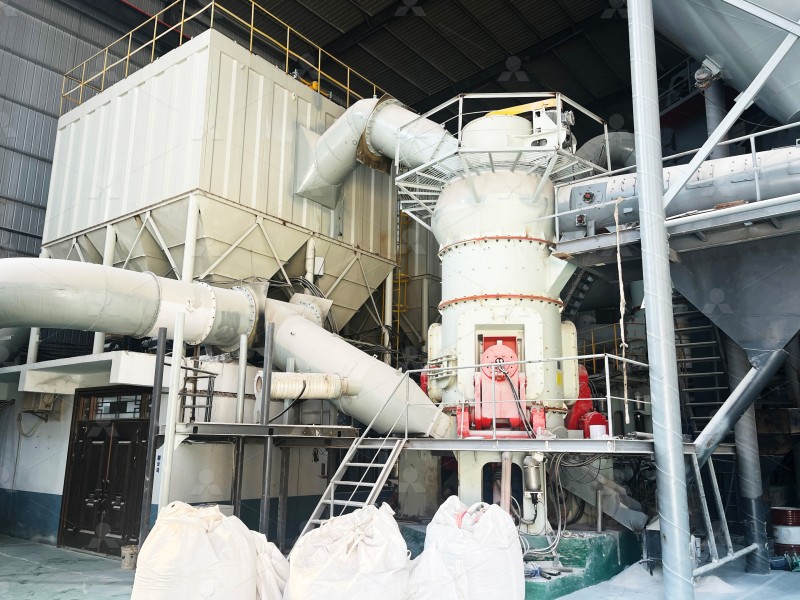
Modern mineral processing demands technology that can handle such challenging materials with precision and reliability. This is where advanced grinding mills, specifically engineered for ultrafine applications, make a significant impact. They are designed to deliver the precise particle size distribution required for optimal processing while operating with greater energy efficiency and lower maintenance demands compared to conventional ball mills or Raymond mills.
The Challenge of Consistent Ultra-Fine Grinding
Red mud is notoriously abrasive and can vary in moisture content, posing a dual challenge of wear and potential clogging. A mill must not only achieve the target fineness but also do so consistently over extended periods without frequent downtime for part replacements or unclogging. The 300 mesh target is particularly crucial as it represents a sweet spot where surface area is maximized for chemical processing without the energy penalty associated with excessively fine grinding.
Recommended Solution: MW Ultrafine Grinding Mill
For operations focused on precision and efficiency in processing abrasive materials like alumina residue, the MW Ultrafine Grinding Mill presents an ideal solution. This mill is specifically engineered to produce powders between 325 and 2500 meshes, making the 300-mesh target well within its efficient operating range.
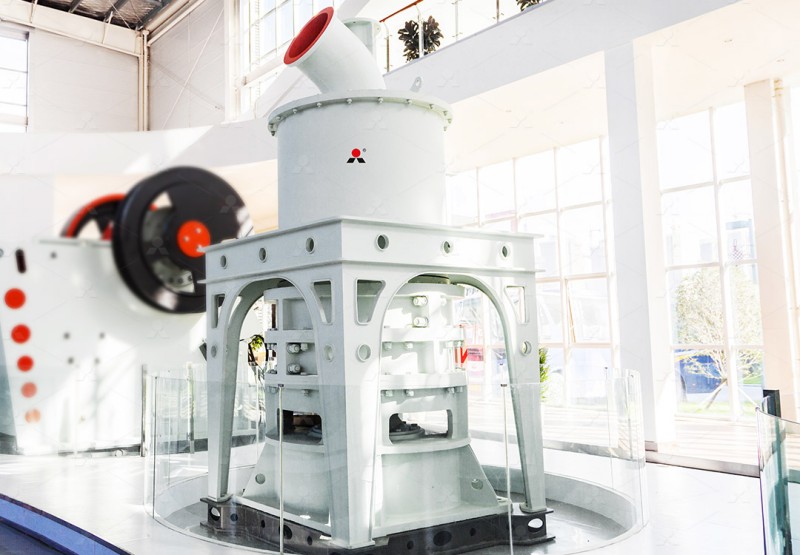
Its key advantages for this application include:
- Higher Yielding, Lower Energy Consumption: Its innovative grinding curve design enhances efficiency, offering production capacity 40% higher than jet mills and double that of ball mills for the same power input, directly reducing operational costs.
- Precise Adjustable Fineness (325-2500 meshes): A German-technology, cage-type powder selector ensures accurate separation, allowing operators to dial in the exact 300-mesh specification with a screening rate achieving d97≤5μm.
- Enhanced Reliability: A critical design feature is the absence of rolling bearings and screws in the grinding chamber. This eliminates common failure points and machine damage from loose components, which is a major advantage when processing abrasive residues.
- Eco-Friendly Operation: An integrated efficient pulse dust collector ensures no dust pollution, aligning with stringent environmental standards for handling industrial residues.
With an input size of 0-20 mm and a capacity range of 0.5-25 tph, the MW Mill provides the flexibility needed for various scales of alumina processing operations.
An Alternative for Integrated Drying and Grinding
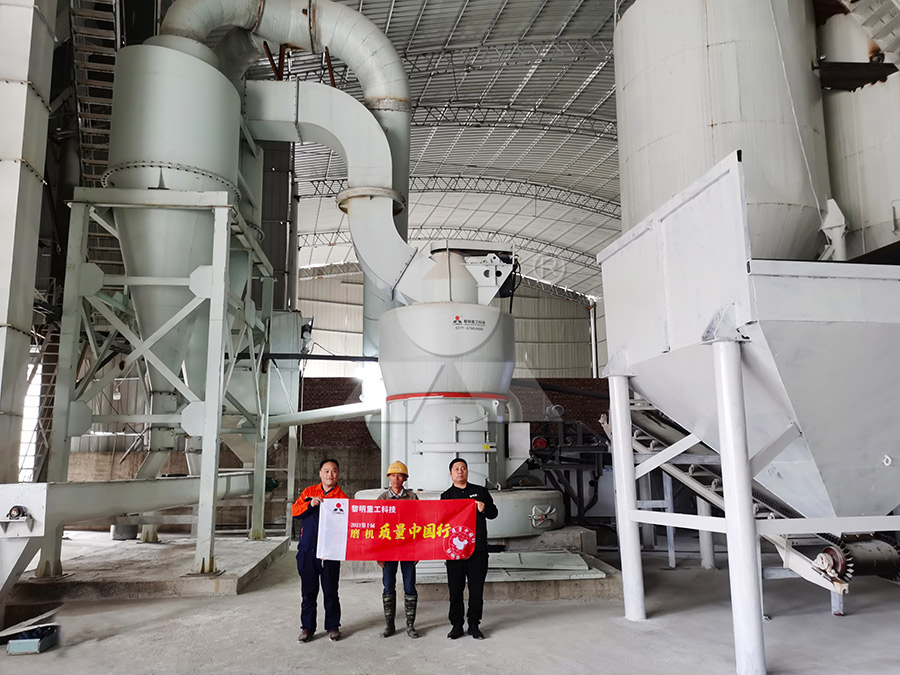
For residues with higher moisture content, the LUM Ultrafine Vertical Grinding Mill is another excellent option. It integrates grinding, classifying, and transporting, and is renowned for its energy-saving multi-head powder separating technology, which reduces energy consumption by 30%-50%. Its reversible structure also allows for easier maintenance of grinding rollers—a valuable feature for minimizing downtime in a continuous processing environment.
Conclusion
Selecting the right milling technology is paramount for optimizing alumina residue processing. Equipment that delivers precise particle size control, robust construction against abrasion, and energy-efficient operation directly contributes to lower processing costs and higher product value. The MW and LUM series mills represent the forefront of this technology, enabling producers to meet their 300-mesh targets reliably and efficiently.
Frequently Asked Questions (FAQ)
Q1: Why is a 300-mesh particle size target important for alumina residue?
A1: A 300-mesh size optimizes the surface area for further chemical processing or reactivity, improving efficiency in subsequent leaching stages or making the material more suitable for use as an additive in cement or ceramics. It balances fineness with energy consumption.
Q2: How does the MW Ultrafine Grinding Mill handle abrasive materials like red mud?
A2: The mill’s design eliminates vulnerable internal components like screws and rolling bearings from the grinding chamber. Furthermore, its wear parts are made from high-performance, wear-resistant materials to withstand abrasion and extend service life.
Q3: Can these mills handle variations in feed moisture?
A3: While the MW Mill is excellent for dry grinding, if your process involves wet or high-moisture residue, the LUM Ultrafine Vertical Grinding Mill is a better choice as it can more effectively handle integrated drying and grinding operations.
Q4: What kind of maintenance should be expected?
A4: Maintenance is significantly reduced. The external lubrication system on the MW Mill allows for servicing without shutdowns. The reversible design of the LUM Mill’s rollers also allows for easy inspection and part replacement, minimizing operational interruptions.