
Alstom Raymond Mill: A Comprehensive Guide to Industrial Grinding Equipment
We provide a wide range of mills — including Raymond mill, trapezoidal mill, vertical mill, ultrafine mill, and ball mill, obtained ISO9001 international quality certification, EU CE certification, and Customs Union CU-TR certification. Suitable for processing minerals such as limestone, phosphate, quicklime, kaolin, talc, barite, bentonite, calcium carbonate, dolomite, coal, gypsum, clay, carbon black, slag, cement raw materials, cement clinker, and more.
The discharge range of these mills can be adjusted to meet specific processing needs, typically from 80-400 mesh, 600-3250 mesh, and can achieve the finest particle size of up to 6000 mesh(D50).
If you are looking for a reliable grinding solution to turn stone or minerals into fine powder, please feel free to contact our online customer service.
Alstom Raymond Mill: A Comprehensive Guide to Industrial Grinding Equipment
For over a century, the name Raymond has been synonymous with reliable, efficient grinding. Originally developed by the Alstom Power division, the Raymond mill design has set the standard for pulverizing a vast array of non-metallic minerals and materials. While the core principles remain timeless, modern iterations have evolved dramatically, offering unprecedented levels of efficiency, control, and environmental compliance. This guide explores the legacy and the cutting-edge advancements in industrial grinding technology.
The Enduring Legacy of the Raymond Mill Design
The classic Raymond mill, or roller mill, operates on a straightforward yet effective principle. Material is fed into the grinding chamber where spring-loaded rollers rotate against a stationary grinding ring. Centrifugal force drives the rollers outward, crushing the material. A built-in classifier then separates fine product from coarse particles, which are returned for further grinding. This design is celebrated for its robustness, relatively simple maintenance, and consistent output for medium-fineness applications.
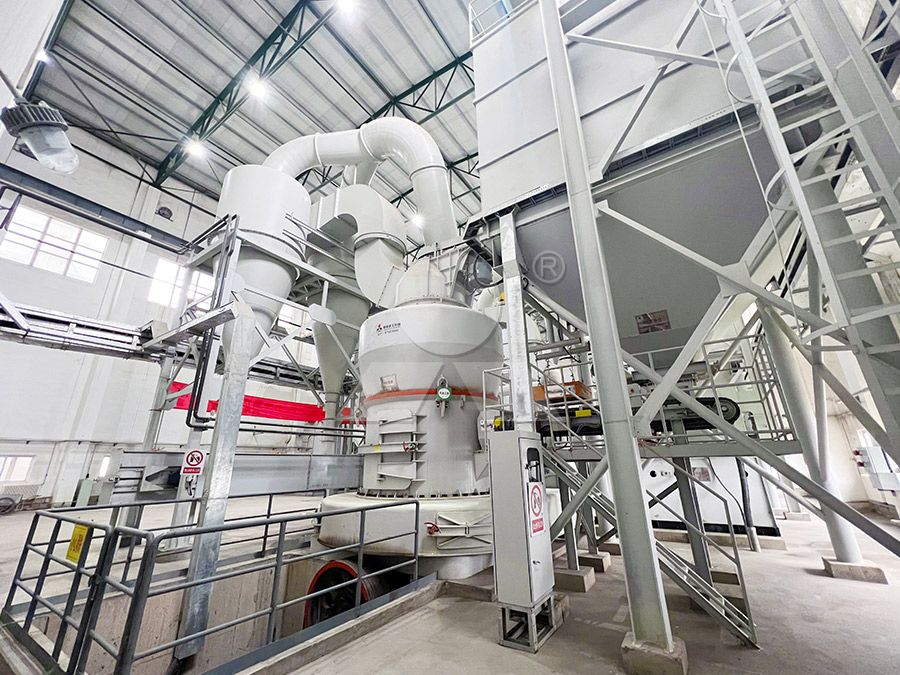
Traditional applications span from coal preparation in power plants to processing limestone for fillers, gypsum for wallboard, and baryte for drilling mud. However, as industry demands shifted towards ultra-fine powders, higher throughput, and stricter environmental controls, the basic Raymond design faced new challenges. This spurred innovation, leading to a new generation of grinding equipment that builds upon this proven foundation.
Modern Advancements in Grinding Technology
Today’s leading grinding mills address the limitations of earlier designs through sophisticated engineering. Key areas of advancement include:
- Energy Efficiency: Modern mills integrate optimized grinding curves, high-efficiency classifiers, and advanced drive systems to slash power consumption by 30-50% compared to traditional ball mills or early Raymond designs.
- Precision Particle Size Control: The advent of multi-head, cage-type powder selectors with digital controls allows for precise fineness adjustment, often ranging from 325 to 2500 meshes, with superior product uniformity.
- Enhanced Reliability & Ease of Maintenance: Innovations like external lubrication systems, reversible roller assemblies, and the elimination of internal screws and bearings in the grinding chamber drastically reduce downtime and maintenance complexity.
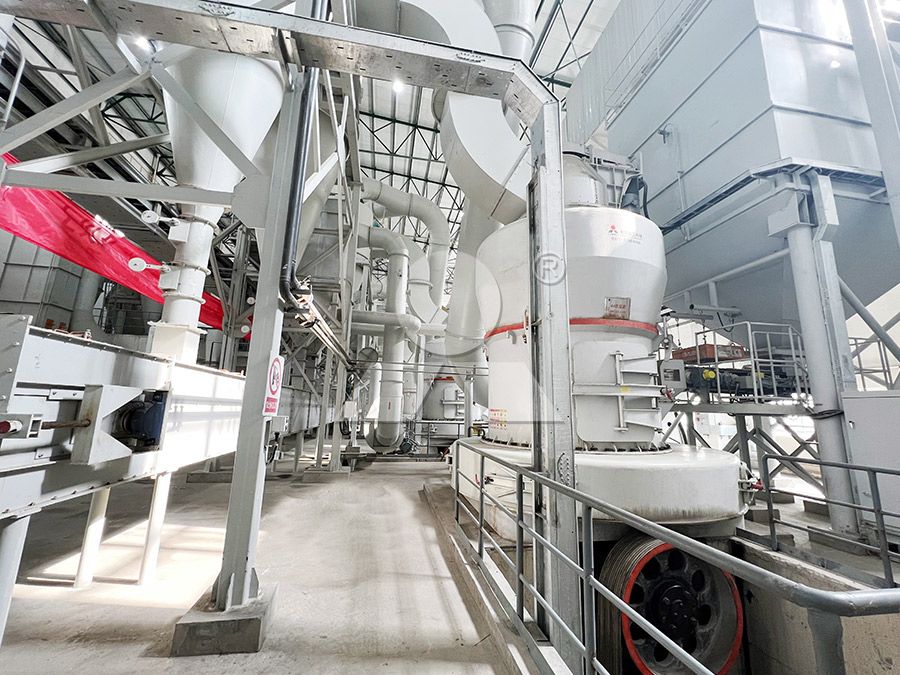
- Environmental Integration: Contemporary systems are designed as closed-loop, negative-pressure circuits. They integrate high-efficiency pulse jet dust collectors and silencers from the outset, ensuring dust-free operation and noise levels well within regulatory standards.
Selecting the Right Mill for Your Application
Choosing the optimal grinding equipment requires careful analysis of your material properties, desired capacity, and final product specifications. For operations requiring ultra-fine powders in industries like cosmetics, advanced coatings, or high-performance plastics, specialized mills are necessary.
A prime example of such targeted technology is our MW Ultrafine Grinding Mill. Engineered for customers who need to produce ultra-fine powder between 325 and 2500 meshes, this mill represents a leap forward. It accepts feed sizes up to 20mm and offers a capacity range of 0.5 to 25 tons per hour. Its defining feature is a German-technology, cage-type powder selector that ensures high precision separation, achieving a d97 ≤5μm in a single pass. Furthermore, its innovative design excludes rolling bearings and screws from the grinding chamber, eliminating common failure points and enabling external, on-the-fly lubrication for true 24/7 continuous operation. Coupled with its efficient pulse dust collection system, the MW Series delivers high yield, low energy consumption, and an environmentally sound production process ideal for materials like calcium carbonate, talc, and barite.
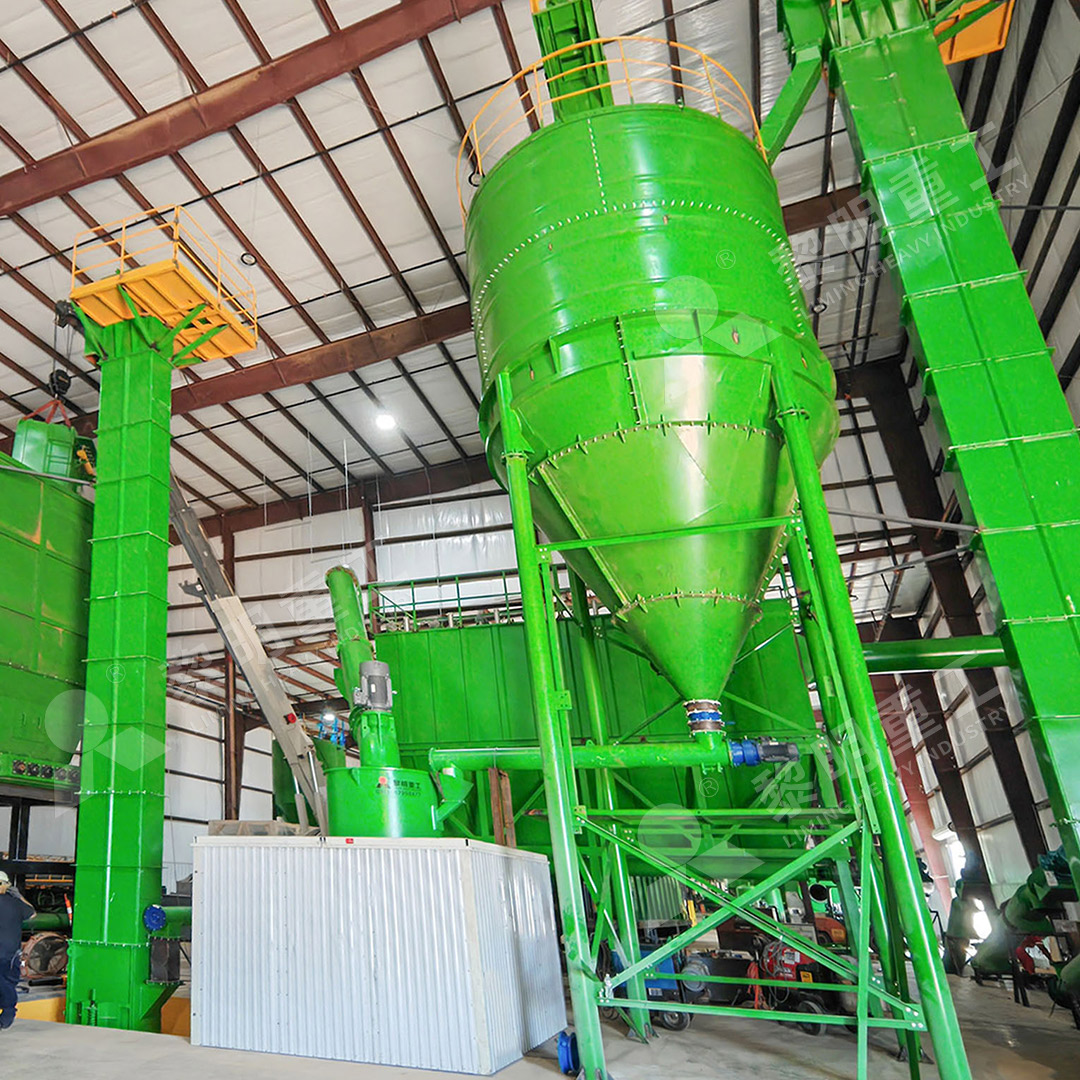
For operations prioritizing large-scale vertical integration and processing of slag or raw materials for cement, the LM Vertical Grinding Mill series offers a compelling solution. These mills integrate crushing, drying, grinding, classifying, and conveying into a single, compact unit. Occupying about 50% of the space of a traditional ball mill system and saving 30-40% in energy, LM mills excel in processing limestone, coal, and slag with high efficiency and automated control.
The Future is Integrated and Intelligent
The trajectory of grinding equipment points towards fully digitized, smart systems. Modern mills are underpinned by PLC control systems that allow precise adjustment of grinding pressure, rotor speed, and feed rates. Predictive maintenance, enabled by sensor data and remote monitoring, is becoming standard. The goal is no longer just to pulverize material, but to do so with maximal resource efficiency, minimal environmental impact, and seamless integration into automated production lines.
From the sturdy reliability of the Raymond mill legacy to the high-tech precision of today’s ultrafine and vertical grinding systems, the right equipment is pivotal for competitive advantage. By understanding both the historical principles and the latest technological breakthroughs, operators can make informed decisions that boost productivity, product quality, and sustainability.
Frequently Asked Questions (FAQ)
- What is the main difference between a traditional Raymond mill and modern ultrafine mills like the MW Series?
Traditional Raymond mills are excellent for medium-fineness grinding (typically up to 425 mesh) and are known for robustness. Modern ultrafine mills like the MW Series incorporate advanced, high-precision cage classifiers, optimized grinding mechanics, and sealed negative-pressure systems to efficiently produce powders in the 325-2500 mesh range with higher yield and lower energy consumption per ton. - How important is the dust collection system in a grinding mill setup?
It is critical. Modern industrial standards and environmental regulations demand clean, dust-free operation. Integrated pulse jet dust collectors are not an add-on but a core component. They protect worker health, recover valuable product, prevent equipment contamination, and ensure compliance, making the entire system environmentally friendly. - Can the same mill handle different materials, like switching from limestone to talc?
Many modern mills are versatile, but adjustments are often needed. The hardness, moisture, and desired fineness of the material affect performance. Key adjustable parameters include classifier speed, grinding roller pressure, and air flow. Mills with digital controls, like those featuring PLC systems, allow for much easier and faster changeover between different material recipes. - What does “no rolling bearings in the grinding chamber” mean, and what is the benefit?
This design, as seen in our MW Ultrafine Mill, removes vulnerable bearing assemblies from the high-wear, dust-laden grinding zone. Bearings are instead located externally in a clean environment. This eliminates failures caused by dust ingress into bearings, simplifies sealing, allows for easier lubrication, and dramatically increases the reliability and service life of the mill’s core components. - What are the key advantages of a vertical grinding mill (LM Series) over a horizontal ball mill?
LM Vertical Mills offer a smaller footprint (≈50% less area), significantly lower energy consumption (30-40% savings), integrated drying of moist materials, and shorter material retention time for quicker product adjustment. They are particularly advantageous for large-scale, continuous processing of non-metallic minerals and industrial by-products like slag.