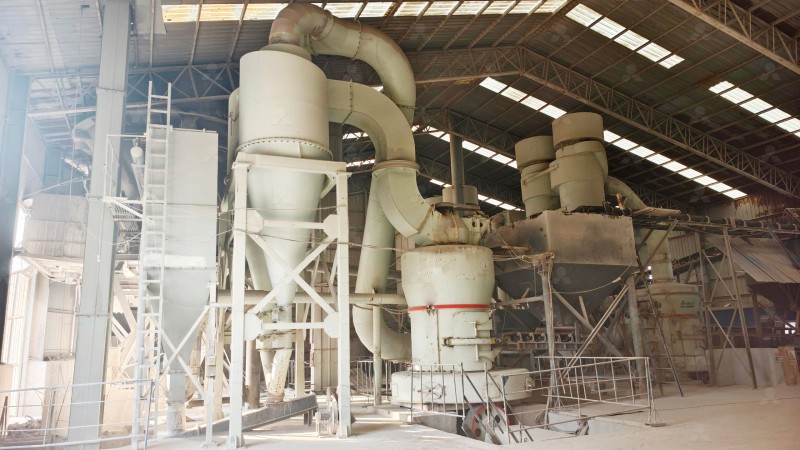
Air Swept Limestone Grinding Mills: A Guide for Chinese Industrial Buyers
We provide a wide range of mills — including Raymond mill, trapezoidal mill, vertical mill, ultrafine mill, and ball mill, obtained ISO9001 international quality certification, EU CE certification, and Customs Union CU-TR certification. Suitable for processing minerals such as limestone, phosphate, quicklime, kaolin, talc, barite, bentonite, calcium carbonate, dolomite, coal, gypsum, clay, carbon black, slag, cement raw materials, cement clinker, and more.
The discharge range of these mills can be adjusted to meet specific processing needs, typically from 80-400 mesh, 600-3250 mesh, and can achieve the finest particle size of up to 6000 mesh(D50).
If you are looking for a reliable grinding solution to turn stone or minerals into fine powder, please feel free to contact our online customer service.
Air Swept Limestone Grinding Mills: A Guide for Chinese Industrial Buyers
For industrial buyers in China’s vast construction and materials sector, selecting the right limestone grinding equipment is a critical decision impacting productivity, operational costs, and product quality. Air-swept grinding mills represent a sophisticated class of machinery designed for efficiency and precision in producing fine and ultra-fine powders. This guide explores the core principles and key considerations for making an informed investment.
Understanding the Air-Swept Principle
Unlike traditional ball mills that rely solely on impact and attrition, air-swept mills integrate grinding with an internal air stream. This airflow serves a dual purpose: it transports the material through the grinding zone and acts as a classifier. As limestone is ground between rollers and a stationary ring or table, the generated powder is immediately carried upward by the air current to a built-in separator. Coarse particles are rejected and returned for further grinding, while fine,合格的产品 powder is conveyed out of the mill for collection. This continuous process eliminates over-grinding, reduces energy waste, and allows for precise control over the final product’s fineness.
Key Advantages for Modern Production
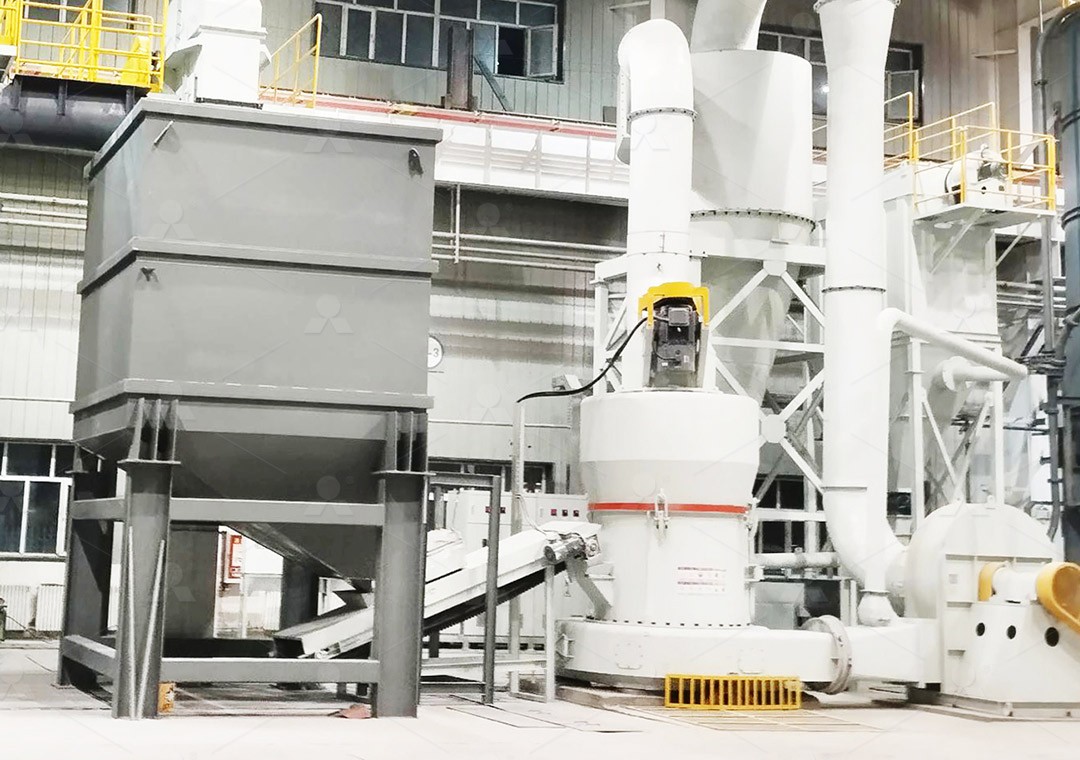
The operational benefits of air-swept technology are significant. They typically offer a smaller footprint compared to equivalent-capacity ball mills, a crucial factor in space-constrained facilities. Their energy efficiency is superior, as the integrated drying capability allows for processing limestone with moderate moisture content without a separate dryer. Furthermore, the closed-loop system, when equipped with modern baghouse filters, ensures a clean working environment by minimizing dust emissions, aligning with China’s stringent environmental regulations.
Selecting the Right Mill for Your Application
The choice of mill depends heavily on the desired product fineness and required capacity. For applications demanding coarse to medium-fine powders, robust options like the LM Vertical Grinding Mill are ideal. It integrates crushing, drying, grinding, and classifying, offering high capacity (up to 340 tph) and significant energy savings. For ultra-fine powder production (325-2500 meshes), specialized mills are necessary.
For buyers focused on producing high-value ultra-fine limestone powder, the MW Ultrafine Grinding Mill is a standout solution. Engineered for customers who need to make ultra-fine powder, this machine is designed for higher yielding and lower energy consumption. Its newly designed grinding curves enhance efficiency, achieving 40% higher production capacity than jet mills with system energy consumption only 30% of the latter. A significant design advantage is the absence of rolling bearings and screws in the grinding chamber, eliminating common failure points and enabling worry-free 24-hour operation. The cage-type powder selector, incorporating German technology, allows precise fineness adjustment between 325-2500 meshes. Coupled with an efficient pulse dust collector and muffler, the MW Ultrafine Grinding Mill ensures an environmentally friendly production process.
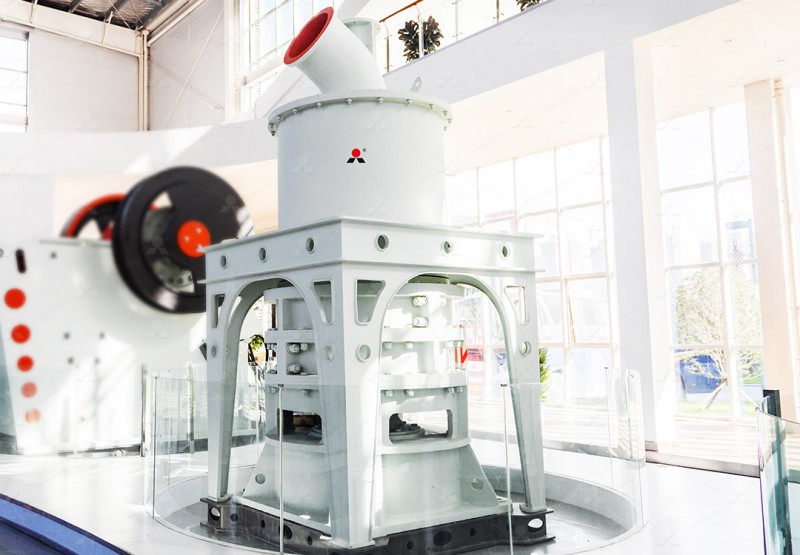
Another advanced option for ultra-fine processing is the LUM Ultrafine Vertical Grinding Mill. It features unique roller shell and lining plate grinding curves that facilitate material layer formation for high-rate, single-pass milling. Its multi-head powder separating technology, controlled by a PLC system, allows for precise control and fast switching between production demands, reducing energy consumption by 30%-50%. A key feature for operational stability is its double position-limiting technology, which protects the mill from destructive impacts caused by vibration.
Conclusion
Investing in the correct air-swept grinding technology is paramount for staying competitive. By understanding the operational principles and carefully evaluating factors such as target fineness, capacity requirements, energy consumption, and environmental compliance, Chinese industrial buyers can select a mill that maximizes return on investment and ensures long-term, reliable performance.
Frequently Asked Questions (FAQ)
What is the main difference between an air-swept mill and a ball mill?
The primary difference lies in the processing method. Ball mills are batch-type operations using steel balls for grinding, often leading to over-grinding. Air-swept mills use a continuous process where ground material is immediately classified and removed by an air current, resulting in higher efficiency, better particle size control, and integrated drying.
Can air-swept mills handle moist limestone?
Yes, one of the key advantages of many air-swept mills is their ability to simultaneously dry and grind materials. The hot air introduced into the mill can effectively remove surface moisture from the limestone during the grinding process, often eliminating the need for a pre-drying stage.
How is the fineness of the final powder controlled?
Fineness is precisely controlled by an internal dynamic classifier or powder separator. The speed of the classifier rotor can be adjusted to determine the cut-point: faster speeds allow only finer particles to pass, while slower speeds permit coarser particles to be included in the final product.
What are the maintenance considerations for these mills?
Maintenance focuses on wear parts like grinding rollers and rings/tables. Modern designs, such as those in the MW and LUM mills, facilitate easier maintenance. For example, the LUM mill features a reversible structure that allows grinding rollers to be easily swung out for inspection or replacement, minimizing downtime.